





What's Happening?
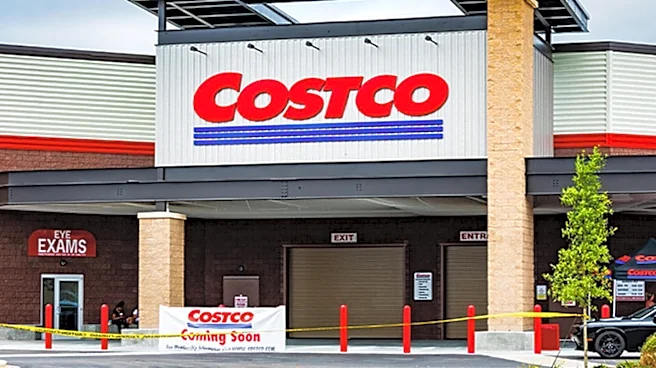
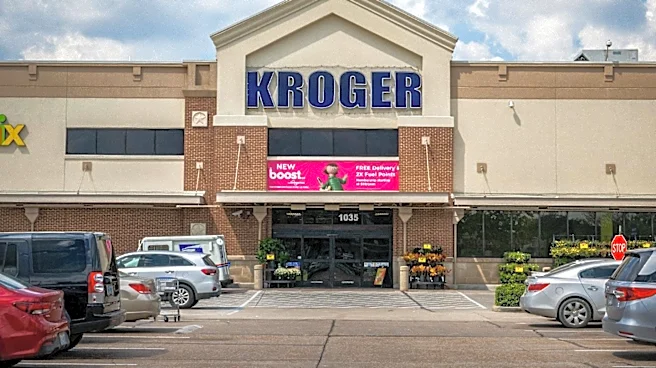
Costco has overtaken Kroger in U.S. retail food and beverage sales, securing 8.4% of the market share over the past year, while Kroger's share declined by 0.2 percentage points to 8.2%. This shift is based on data from consumer analytics firm Numerator.
Walmart remains the largest U.S. retailer, holding 20.3% of grocery sales. Costco's steady pricing strategy has contributed to its gains, appealing to U.S. households seeking savings amidst rising costs for gas, housing, and insurance. In response, Kroger, under new CEO Greg Foran, is implementing a $5 billion initiative aimed at lowering prices and streamlining operations, which includes significant corporate workforce cuts over the next few years and renegotiating supplier contracts.
Why It's Important?
This market share shift signifies a broader trend in the U.S. grocery sector, where warehouse clubs and mass-market retailers are gaining ground at the expense of traditional supermarkets. Consumers are increasingly prioritizing value and steady pricing, driving them towards retailers like Costco. For Kroger, losing market share to Costco underscores the competitive pressures it faces and the urgency of its $5 billion strategic initiative. The planned corporate workforce cuts and operational tightening indicate a significant restructuring effort to regain competitiveness. This trend impacts not only the financial performance of these retail giants but also influences consumer shopping habits and the overall landscape of food retail in the United States, potentially leading to more aggressive pricing strategies across the industry.
What's Next?
Kroger's $5 billion initiative to lower prices and tighten operations is expected to unfold over the coming months and years. Consumers will be watching to see if these efforts translate into lower shelf prices and improved value, potentially influencing their shopping decisions. The planned corporate workforce cuts at Kroger will also be a key development, as the company aims to streamline its operations. The ongoing competition between warehouse clubs and traditional supermarkets is likely to intensify, with retailers continuing to adapt their strategies to meet evolving consumer demands for affordability and value. Households will continue to compare prices across different retail formats to maximize their grocery budgets.
Beyond the Headlines
The shift in grocery market share reflects deeper economic pressures on U.S. households, where rising living costs are forcing consumers to make more deliberate choices about where they shop for food. This trend could accelerate the transformation of the retail sector, pushing traditional supermarkets to innovate further in areas like private labels, online shopping, and loyalty programs to retain customers. The emphasis on cost-cutting and operational efficiency, as seen in Kroger's strategy, may also lead to broader industry changes in supply chain management and labor practices. Ultimately, this competitive dynamic could reshape the retail landscape, favoring models that can consistently deliver value and affordability to a cost-conscious consumer base.