

What's Happening?
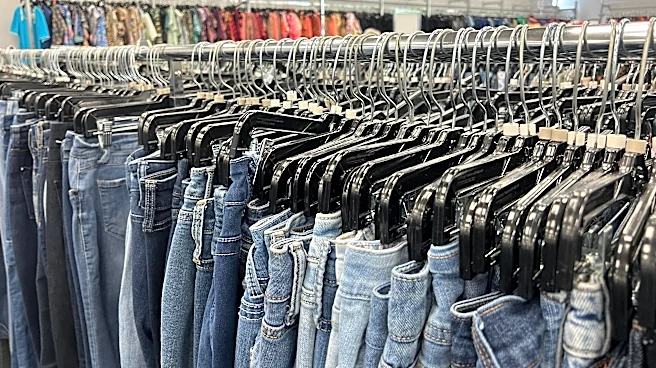
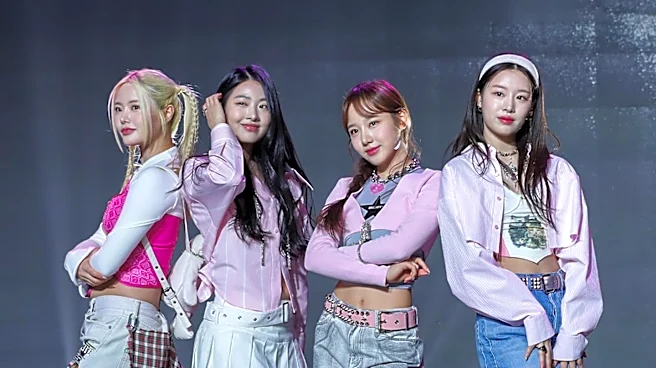
Low-rise jeans, a defining fashion trend of the early 2000s, have re-emerged as a popular style, largely due to the ongoing Y2K revival. Once considered dated and replaced by high-waisted denim in the 2010s, these jeans are now being rediscovered by a new
generation. The resurgence is part of a broader trend that includes other early-2000s fashion items like baby tees, cargo pants, and platform shoes. Social media platforms have played a significant role in accelerating this comeback, with vintage celebrity photos and music videos from the 2000s circulating widely and influencing current fashion perceptions. Fashion brands have responded by incorporating lower waistlines into their new collections, confirming the silhouette's return to mainstream fashion. Modern iterations of low-rise jeans often feature baggier, straight, or wide-leg cuts, offering more versatility than their earlier, often extremely fitted counterparts. This allows for diverse styling options, pairing them with various tops and outerwear, and signifies a shift where multiple waistline styles now coexist in fashion.
Why It's Important?
The return of low-rise jeans signifies the cyclical nature of fashion and the powerful influence of nostalgia, particularly among younger demographics. This trend impacts the fashion industry by dictating production and marketing strategies, as brands adapt to renewed interest in specific historical styles. The emphasis on vintage and second-hand fashion, facilitated by social media, also highlights a growing consumer preference for authenticity and scarcity. This shift can boost the resale market, as original pieces from the early 2000s become highly sought after. For consumers, the coexistence of low-, mid-, and high-rise jeans offers greater freedom in personal style, moving away from a single dominant silhouette. Economically, the Y2K revival creates new demand for specific clothing items and accessories, potentially influencing retail sales and the valuation of vintage apparel. The trend also underscores the role of digital platforms in shaping contemporary fashion, as online content and influencer culture drive the adoption and popularization of past styles.
What's Next?
The future of the Y2K revival, including the sustained popularity of low-rise jeans, will depend on several factors. Resale prices for vintage mall-era clothing will be a key indicator of continued demand, with some items already fetching significant amounts. If the demand for original Y2K pieces persists, retailers may further integrate early-2000s silhouettes, logos, and details into their new collections, moving beyond mere reinterpretations. The broader 'Neo Nostalgia' trend, which blends influences from the 70s, 90s, and early 2000s, suggests that the nostalgia cycle could continue to evolve, potentially bringing late-2000s and early-2010s mall fashion into vogue next. Consumers, particularly Gen Z and young Millennials, will likely continue to drive this market through their engagement with vintage fashion and social media. For individuals with early-2000s clothing, checking resale platforms before donating items could reveal unexpected value, as the market for these 'vintage' pieces continues to grow.
Beyond the Headlines
The resurgence of low-rise jeans and the broader Y2K fashion revival reflect deeper cultural shifts, particularly concerning generational identity and consumption patterns. For Millennials, these clothes represent everyday purchases from their youth, while for Gen Z, they are artifacts of a distinct fashion era, imbued with a sense of historical cool and authenticity. This generational divide highlights how fashion trends are recontextualized and revalued over time. The emphasis on 'authenticity' and 'scarcity' in vintage fashion also points to a broader consumer desire for unique items that stand apart from mass-produced contemporary clothing. This trend challenges traditional fashion cycles, where new collections constantly replace old ones, by giving extended life and renewed value to past styles. Furthermore, the role of social media in disseminating and popularizing these trends underscores its power as a cultural arbiter, shaping not just what people wear but also how they perceive and interact with fashion history.