




What's Happening?
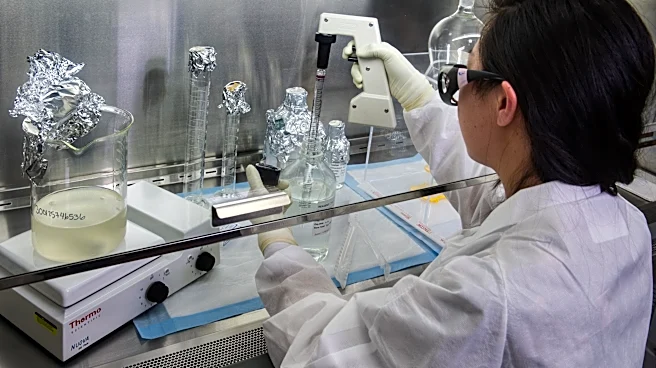
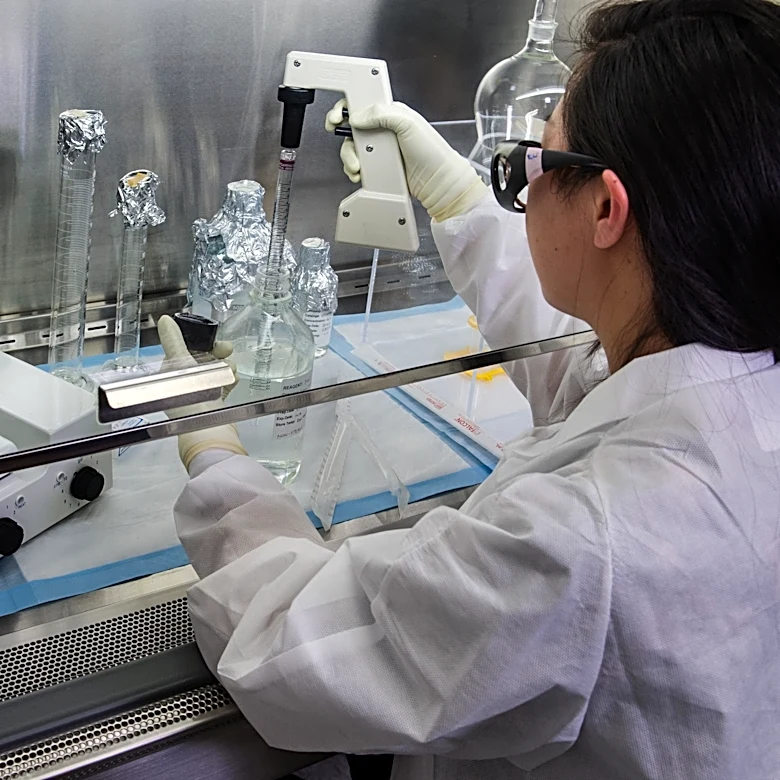
Researchers are investigating dairy milk derivatives, particularly whey fractions, as sustainable and ethically sound substitutes for fetal bovine serum (FBS) in cell culture. FBS has been a standard nutrient supplement for in vitro cell cultivation since
the mid-20th century, but its use raises ethical concerns due to its collection method from bovine fetuses during commercial butchery. Additionally, FBS presents challenges related to unpredictable supply chains, biological variability between batches, and potential viral contamination. A scientific review published in Biological Research evaluated various serum alternatives and identified milk derivatives as promising candidates. These derivatives offer a more sustainable approach by repurposing agricultural surplus, such as out-of-date or surplus milk, thereby reducing waste and minimizing reliance on animal exploitation. The biochemical composition of milk, including proteins like beta-lactoglobulin and alpha-lactalbumin, provides essential nutrients and growth factors necessary for cell proliferation and membrane integrity, making it a viable option for applications like cultivated meat production.
Why It's Important?
The shift towards dairy milk derivatives in cell culture has significant implications for the biotechnology and cultivated meat industries in the U.S. and globally. Ethically, it addresses concerns surrounding the use of FBS, which is obtained through a process that involves the cardiac puncture of bovine fetuses. This move aligns with the 'Three Rs' framework (reduce, refine, replace) for animal experimentation, potentially improving public perception and consumer acceptance of products developed using cell culture technologies, including lab-grown meat. Economically, utilizing agricultural surplus like milk waste can lower production costs for cell culture media, reduce reliance on volatile global FBS markets, and create new revenue streams for the dairy industry. For the burgeoning cultivated meat sector, this development could provide a more stable, cost-effective, and ethically defensible nutrient source, accelerating its commercialization and broader adoption. It also contributes to a circular bioeconomy by valorizing food waste, reducing environmental impact, and enhancing the sustainability profile of cellular agriculture.
What's Next?
Further research and standardized processing protocols are needed to overcome lingering biological limitations and ensure widespread industrial adoption of milk-derived culture media. While promising, the biochemical composition of milk can vary based on seasonal dairy diets, lactation stages, and maternal genetics, leading to batch-to-batch variability. Establishing consistent quality control and processing standards will be crucial for reliable application in diverse cell culture systems. The biotechnology sector is expected to continue exploring localized supply agreements to convert retail dairy surpluses into certified cell culture supplements, which could reduce shipping emissions and manufacturing overhead. As the industry advances, there will be a continued push towards entirely animal-free synthetic inputs, with milk derivatives serving as a vital transitional nutrient bridge. Regulatory bodies will also likely play a role in establishing guidelines for the production and use of these alternative media, particularly as cultivated meat products move closer to widespread market availability.
Beyond the Headlines
The exploration of dairy milk derivatives as a substitute for FBS highlights a broader trend towards sustainable and ethical sourcing in scientific research and industrial production. This development reflects a growing societal demand for products that minimize animal exploitation and environmental impact. Beyond the immediate applications in cultivated meat and vaccine manufacturing, the success of milk-derived media could inspire similar innovations in other sectors that rely on animal-derived components. It underscores the potential of a circular bioeconomy, where waste products from one industry become valuable inputs for another, fostering greater resource efficiency and reducing overall ecological footprints. This shift also challenges traditional notions of 'waste' and encourages a more holistic view of agricultural resources, potentially leading to new inter-industry collaborations and a re-evaluation of supply chain practices across various scientific and commercial domains.