

What's Happening?
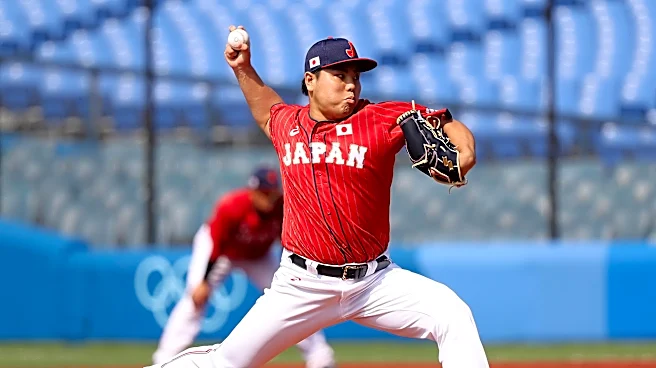
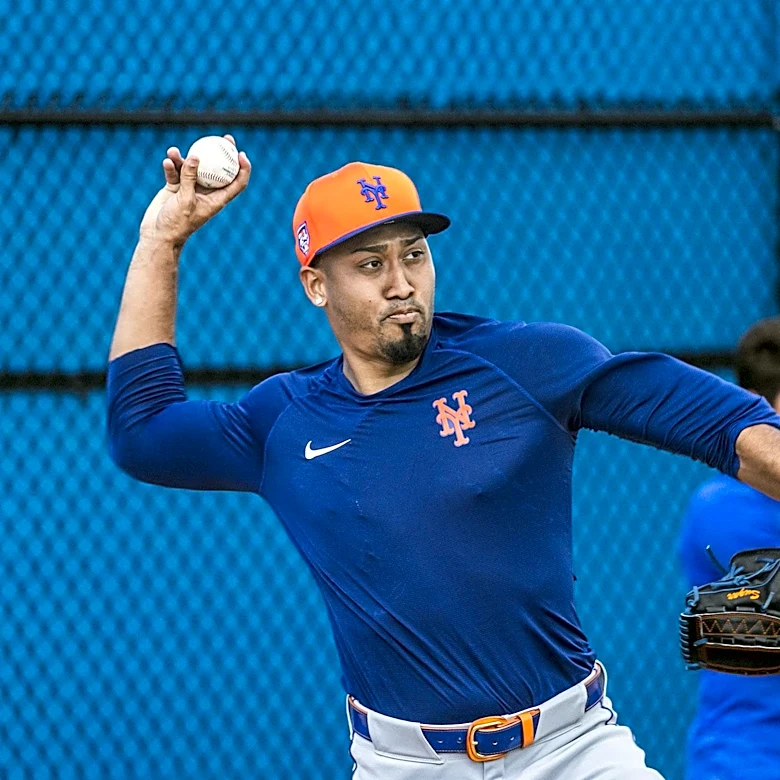
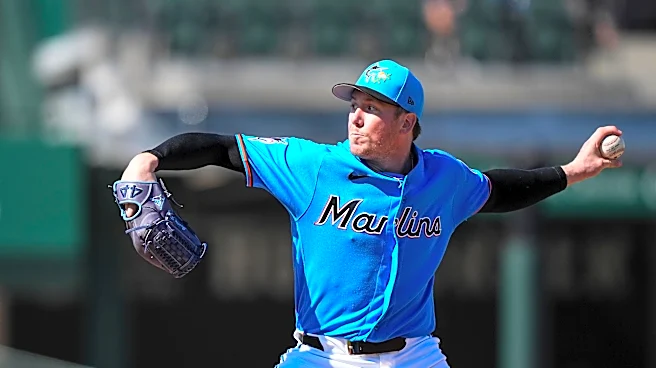
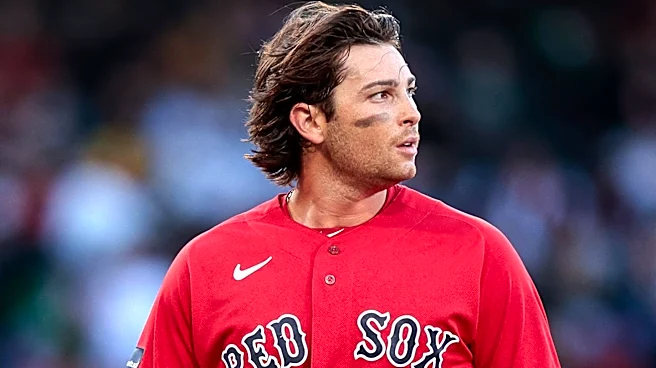
The New York Mets have agreed to a three-year, $12 million contract with left-handed pitcher Darwinzon Hernandez, pending a physical. Hernandez, who will turn 30 in December, last pitched in Major League Baseball with the Boston Red Sox in 2022. Since
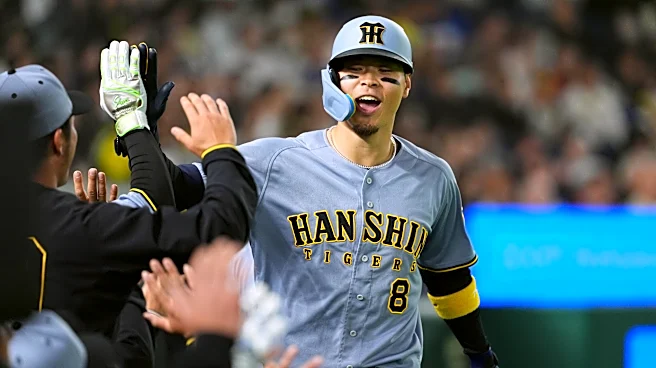
then, he has spent four seasons with the Fukuoka SoftBank Hawks of Japan's Nippon Professional Baseball (NPB), where he significantly improved his performance. In his most recent season in Japan, 2026, Hernandez posted a 1.48 ERA with 52 strikeouts and 16 walks in 42 2/3 innings across 45 games, helping the Hawks win the Japan Series. His walk rate in Japan dropped to 8%, a substantial improvement from his 17.7% mark in Boston. During his MLB career with the Red Sox from 2019-2022, Hernandez recorded a 5.06 ERA with 133 strikeouts and 73 walks in 85 1/3 innings. The Mets' move aims to bolster their bullpen, particularly with a left-handed arm, a stated priority for the team.
Why It's Important?
This signing is significant for the Mets as it represents an investment in a pitcher who has demonstrated considerable improvement in a competitive international league. The Mets are looking to strengthen their bullpen, especially with left-handed options, after trading away key left-handed depth at the 2026 deadline. Hernandez's success in Japan, particularly his improved control and continued high strikeout rate, suggests he could be a valuable asset for the Mets. His ability to effectively pitch against left-handed batters, holding them to a .643 OPS in his previous MLB stint, aligns with the current MLB trend where left-handed hitters account for a high percentage of plate appearances. The $12 million commitment over three years indicates the Mets' belief that Hernandez can translate his NPB success back to the Major Leagues, addressing a critical need for reliable left-handed relief pitching.
What's Next?
Following the pending physical, Darwinzon Hernandez will officially join the New York Mets, adding a new dimension to their bullpen for the upcoming season. The immediate focus will be on how his improved control and pitching mechanics, developed in Japan, will translate against Major League hitters. Spring training will be crucial for Hernandez to demonstrate his readiness and secure a significant role in the Mets' relief corps. His performance will be closely watched, as there is always a question of whether success in NPB can be replicated in MLB. The Mets will likely integrate him into high-leverage situations if he proves effective, aiming to leverage his ability to neutralize left-handed batters. This signing also signals the Mets' continued strategy of seeking talent from international leagues to fill roster needs.
Beyond the Headlines
Hernandez's return to MLB after a successful stint in Japan highlights a growing trend of players revitalizing their careers abroad before re-entering the American market. This path offers a valuable second chance for players who may have struggled with consistency or control in MLB, allowing them to refine their skills and regain confidence in a different competitive environment. For teams like the Mets, it represents a strategic opportunity to acquire talent at a potentially lower cost with a higher upside, banking on the player's demonstrated improvements. However, it also poses a risk, as the transition back to MLB can be challenging due to differences in pitching styles, ball characteristics, and hitter approaches. This move could encourage more MLB teams to scout and invest in players who have found success in leagues like NPB, further globalizing player development and talent acquisition strategies in professional baseball.