





What's Happening?
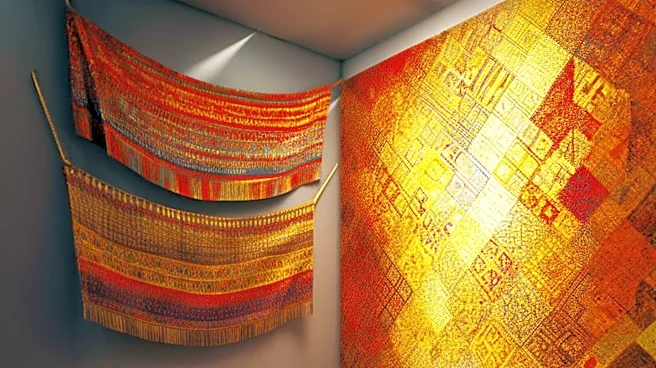
Bowdoin College students Edwin Kim ’27 and Muzi Wei ’27 have co-founded a new initiative to display student artwork in the Lamarche Lounge of Smith Union. This project involves monthly rotations of student art, aiming to provide a public platform for campus
artists. Javier Gallegos ’28 and Assistant Director of Student Activities Brandon Rogers-Reed also contributed to the initiative. Kim, an aspiring museum professional, sought to create more opportunities for students to showcase their work beyond the traditional fall or spring art shows. The goal is to make art more accessible to the wider campus community, allowing anyone passing through Smith Union to view diverse visual artworks. Wei, a visual arts and economics double major, emphasizes the importance of making art spaces inclusive, noting that the art world can often feel exclusive. The initiative encourages submissions from all students, regardless of their affiliation with the art department, and asks artists to provide a short blurb explaining their work. For October, the featured artists are Milo Langdon ’27 and Paloma Hsiao-Shelton ’28, with Hsiao-Shelton’s watercolor and ink paintings inspired by a summer fellowship in Canada.
Why It's Important?
This student-led art initiative at Bowdoin College is significant because it addresses the need for greater accessibility and visibility for student artists within the campus community. By creating a rotating gallery in a high-traffic area like the Lamarche Lounge, it democratizes art exposure, moving it beyond formal gallery settings that can sometimes feel intimidating or exclusive. This fosters a more inclusive environment where diverse artistic talents can be celebrated and appreciated by a broader audience, including those not directly involved in the arts. The project also provides valuable real-world experience for the student organizers in curation, community engagement, and arts administration. For the featured artists, it offers a public platform to share their creative expressions and narratives, potentially boosting their confidence and encouraging further artistic development. Furthermore, by encouraging artists to provide context for their work, the initiative promotes deeper engagement and understanding between the art and its viewers, enriching the cultural fabric of the university.
What's Next?
The gallery wall initiative is set to continue with monthly rotations of student artwork, indicating an ongoing commitment to showcasing new talent and diverse artistic perspectives. Kim and Wei will likely continue their outreach efforts, encouraging more students from various disciplines to submit their work. This sustained rotation will ensure a fresh and dynamic display, keeping the campus community engaged and providing opportunities for a wider array of artists. Future plans may include expanding the promotional efforts to reach an even broader student body, potentially through campus-wide calls for submissions or collaborations with other student organizations. The co-founders might also consider incorporating feedback from viewers and artists to refine the exhibition process and enhance the overall experience. The success of this initial phase could also inspire similar student-led art initiatives in other campus spaces, further integrating art into daily student life and fostering a more vibrant creative culture at Bowdoin College.
Beyond the Headlines
Beyond its immediate impact, this gallery wall initiative at Bowdoin College touches upon broader themes of artistic accessibility, community building, and the role of art in fostering well-being. In an academic environment often focused on traditional disciplines, providing accessible creative outlets can be therapeutic and enriching for students, as noted by Kim. The project challenges the perception of art as an 'elevated, gallery-exclusive' domain, making it a part of everyday campus life. This demystification of art can encourage more students to explore their own creative potential, breaking down perceived barriers to entry into the arts. Ethically, it promotes inclusivity by actively seeking out and showcasing diverse voices and perspectives, contributing to a more representative cultural landscape on campus. Long-term, such initiatives can cultivate a generation of individuals who not only appreciate art but also understand its power to connect communities, express diverse experiences, and contribute to mental and emotional well-being, fostering a more creatively engaged and empathetic society.