






What's Happening?
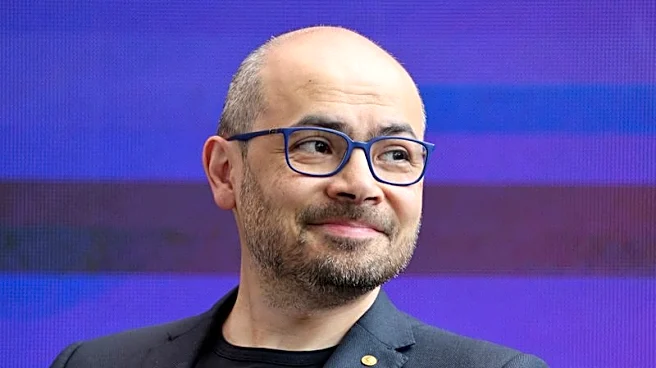
Demis Hassabis, co-founder of Google DeepMind, has announced a shift in his role from CEO to chair and chief scientist at Alphabet, DeepMind's parent company. This change marks a significant transition for DeepMind, which has been a key player in AI advancements.
The leadership change comes amid internal tensions at DeepMind, including concerns over the company's work with the Pentagon and its implications for AI ethics. Koray Kavukcuoglu, a longstanding colleague of Hassabis, will take on a senior vice-president role, signaling a move towards more integration with Google's operations in the U.S.
Why It's Important?
The leadership change at Google DeepMind reflects broader trends in the AI industry, where commercial interests are increasingly influencing research and development. This shift could impact the direction of AI innovation, as DeepMind has been at the forefront of significant breakthroughs, such as AlphaGo and AlphaFold. The internal tensions and ethical concerns raised by employees highlight the challenges tech companies face in balancing innovation with ethical considerations. The move also underscores the competitive landscape of AI, with rivals like Anthropic and OpenAI gaining ground.
What's Next?
As DeepMind transitions under new leadership, the company will likely focus on integrating its operations more closely with Google's broader AI strategy. This could involve increased collaboration with Google's other AI labs and a stronger emphasis on commercial applications. The departure of key figures like Jeff Dean and the potential for further personnel changes may affect DeepMind's ability to retain top talent. The company's future direction will be closely watched by industry observers, particularly in light of ongoing ethical debates and the competitive pressures from other AI firms.
Beyond the Headlines
The changes at DeepMind highlight the ethical and strategic challenges facing the AI industry. As AI technologies become more integrated into military and governmental applications, questions about their ethical use and potential for misuse become more pressing. The shift in leadership at DeepMind may also reflect a broader trend towards prioritizing commercial viability over scientific exploration, raising concerns about the future of AI research and its implications for society.