







What's Happening?
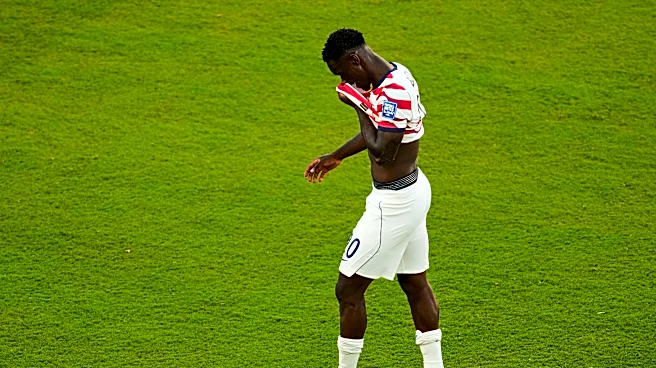
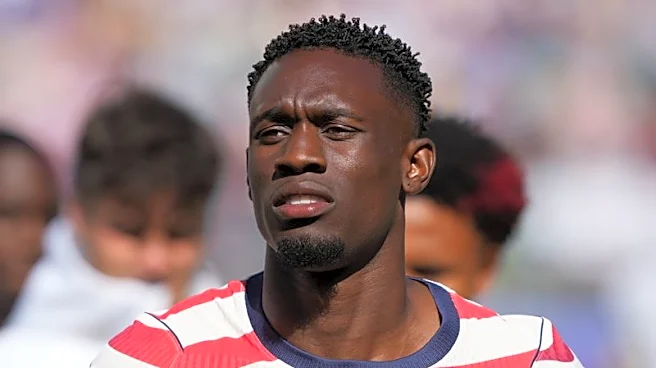
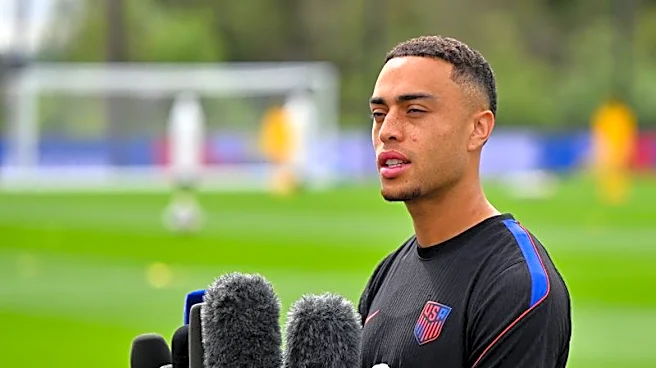
FIFA has overturned the red card suspension of U.S. men's national team striker Folarin Balogun, allowing him to participate in the upcoming World Cup round of 16 match against Belgium. Balogun was initially suspended after receiving a red card during
the U.S. team's victory over Bosnia and Herzegovina. The decision to lift the suspension was made by FIFA's disciplinary committee, which cited Article 27 of the FIFA Disciplinary Code. This article allows for the suspension to be lifted for a probationary period of one year, during which any similar infringement by Balogun could result in the reinstatement of the suspension. The U.S. Soccer Federation expressed satisfaction with the decision, emphasizing the importance of Balogun's presence in the match.
Why It's Important?
The reinstatement of Folarin Balogun is significant for the U.S. team as he has been a key player, scoring three goals in the tournament so far. His availability boosts the team's chances of advancing to the quarterfinals, a feat they have not achieved since 2002. The decision also highlights the discretionary power of FIFA's disciplinary committee in handling red card suspensions, which can have substantial implications for team strategies and tournament outcomes. The ruling has sparked controversy, with the Royal Belgian Football Association expressing dissatisfaction and exploring potential responses, indicating the decision's impact on international sports diplomacy and tournament fairness.
What's Next?
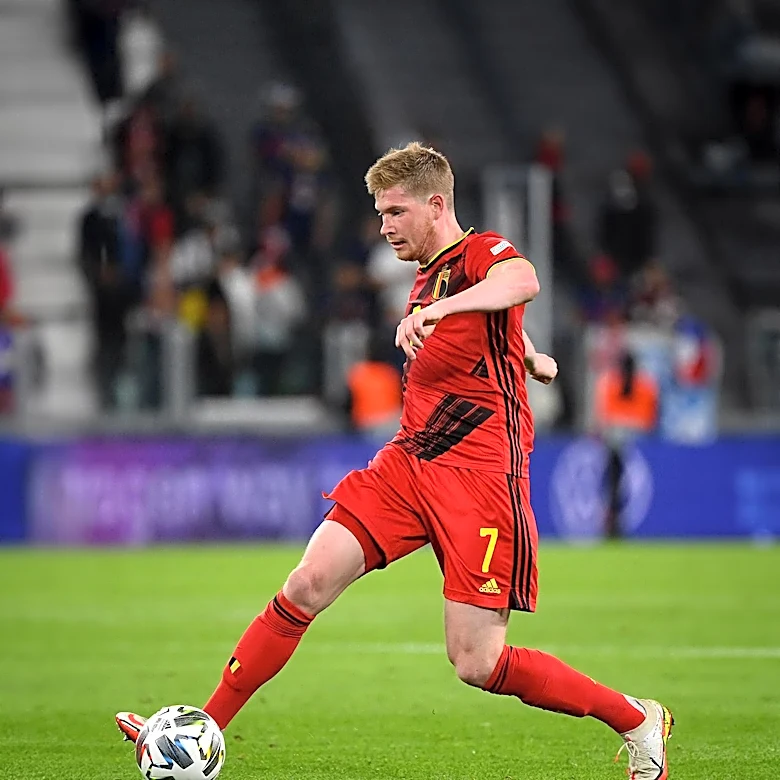
The U.S. team will face Belgium in Seattle, with Balogun expected to play a crucial role in the match. The Royal Belgian Football Association is considering its options in response to FIFA's decision, which they argue contradicts established regulations. The outcome of this match could influence future interpretations of FIFA's disciplinary code and set precedents for handling similar cases. Stakeholders, including fans and sports analysts, will be closely watching the match and any further developments regarding the disciplinary process.