





What's Happening?
BookTok, a prominent subsection of TikTok, has significantly impacted the publishing industry by influencing book recommendations, reviews, and sales. Originating during the COVID-19 shutdown, BookTok has continued to shape what books achieve success.
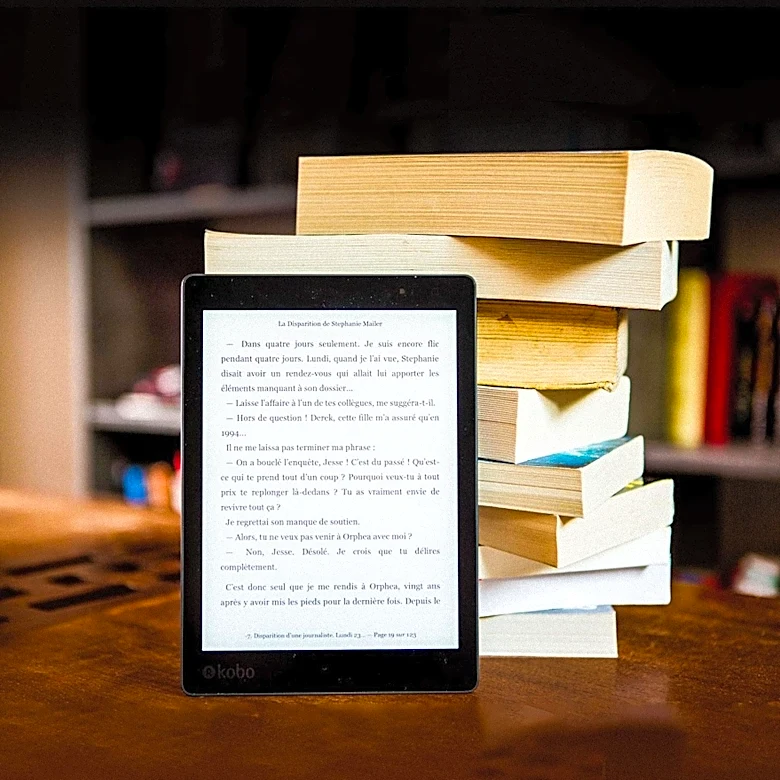
This trend has led to a noticeable shift in the physical appearance of books, with many now featuring intricately designed edges and gold foil covers to cater to the 'aesthetics' of reading promoted on the platform. The phenomenon has also contributed to a resurgence in reading and the emergence of 'bookfluencers' and 'booktubers' who monetize their reading habits. Books that gain traction on BookTok, such as 'It Ends With Us' by Colleen Hoover and 'The Seven Husbands of Evelyn Hugo' by Taylor Jenkins Reed, have seen their sales skyrocket, even years after their initial release. Bookstores have adapted by creating 'as seen on BookTok' displays, further driving sales for both chain and independent businesses.
Why It's Important?
The rise of BookTok holds significant implications for the U.S. publishing industry and its economic stakeholders. It has created an economic boom, revitalizing a sector that was facing challenges from digital alternatives like Amazon and e-books. The platform's influence on book aesthetics means publishers are now investing in more visually appealing designs, potentially increasing production costs but also attracting a wider audience. For authors, gaining BookTok popularity can mean unprecedented sales and renewed interest in their back catalogs. However, this trend also risks saturating the market with books that prioritize popular tropes over literary quality, potentially leading to a 'fast fashionization' of literature. While it has undeniably encouraged more people to read, it has also transformed reading into a marketable lifestyle, benefiting 'bookfluencers' who can generate income from their hobby, but potentially narrowing the range of books that achieve mainstream success.
What's Next?
The influence of BookTok is likely to continue shaping publishing strategies and consumer preferences. Publishers will probably further integrate BookTok trends into their marketing and design processes, focusing on visually appealing covers and promoting books based on popular tropes. The 'blind date with a book' marketing strategy, which highlights tropes rather than specific titles, is expected to remain prevalent in bookstores and online. The increasing cost of books, partly attributed to enhanced aesthetics and marketing, may continue to rise, impacting readers' purchasing power. The industry will likely see a continued focus on 'bookfluencers' as key marketing channels, potentially leading to more curated content and a stronger emphasis on community-driven recommendations within the platform. The long-term impact on literary diversity and the balance between commercial success and artistic merit will be a key area to watch.
Beyond the Headlines
Beyond the immediate sales and aesthetic shifts, BookTok highlights a deeper cultural phenomenon: the intersection of social media, consumerism, and personal identity. The emphasis on books looking 'good on a shelf and a camera' reflects a broader trend where consumption is intertwined with digital presentation and personal branding. This can lead to a homogenization of literary tastes, as certain tropes and visual styles become dominant, potentially overshadowing diverse narratives that don't fit the 'BookTok aesthetic.' The rise of 'bookfluencers' also raises questions about the authenticity of recommendations and the commercialization of reading as a hobby. While it has democratized book discovery to some extent, it also concentrates influence in the hands of a few popular accounts, whose preferences can disproportionately shape the market. This dynamic could lead to a more trend-driven literary landscape, where books are consumed and discarded much like fast fashion items.