








What's Happening?
Michaels, the largest specialty retailer of arts and crafts materials in the United States, is actively expanding its operational reach and workforce. Founded in 1973 and headquartered in Irving, Texas, the company offers a wide array of arts and crafts supplies,
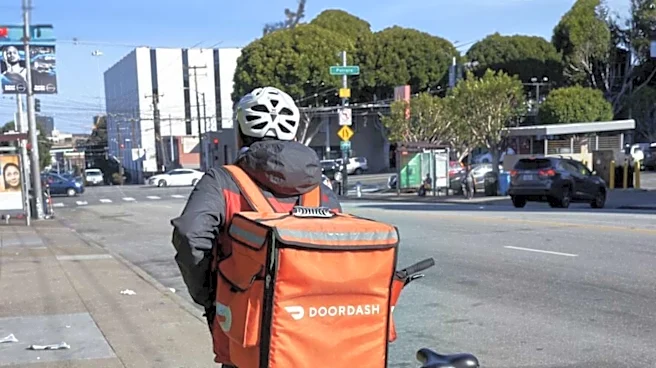
toys, and music. In a move to enhance customer accessibility and convenience, Michaels has partnered with DoorDash, allowing customers to order products online for fast delivery from nearby stores. This initiative is reflected in multiple DoorDash listings for Michaels locations, showcasing customer ratings and available products. Concurrently, Michaels is seeking to fill positions, including a part-time framer role in Easton, PA, as advertised on LinkedIn. The job description outlines responsibilities such as adhering to standard operating procedures, delivering sales and production results, completing framing orders with high quality, maintaining the ready-made frame department, and providing customer service. The company operates over 1,300 stores across 49 states and Canada, in addition to its online presence at Michaels.com and Michaels.ca.
Why It's Important?
The expansion of Michaels' online shopping options through DoorDash signifies a strategic adaptation to evolving consumer retail preferences, particularly the demand for convenience and rapid delivery. This move is crucial for maintaining market share and competitiveness in the retail sector, as it allows Michaels to reach a broader customer base and cater to immediate crafting needs. For consumers, it means easier access to a vast selection of arts and crafts materials, potentially fostering increased engagement in creative hobbies. The active recruitment for positions like part-time framers indicates a continued investment in specialized services and in-store expertise, which differentiates Michaels from general merchandise retailers. This dual approach of enhancing digital accessibility while maintaining a strong physical store presence and specialized services is vital for the company's long-term growth and its role as a leading provider in the arts and crafts market. The job opportunities also contribute to local economies by providing employment in various communities.
What's Next?
Michaels is likely to continue leveraging its partnership with DoorDash to further integrate and optimize its online delivery services, potentially expanding to other delivery platforms or enhancing its own e-commerce capabilities to meet growing demand. The company will also continue its recruitment efforts for specialized roles like framers, indicating a sustained focus on providing expert services alongside its product offerings. This suggests a potential for more localized job opportunities in various communities where Michaels operates. Furthermore, Michaels may explore additional ways to engage its customer base through online tutorials, virtual workshops, or community events, building on its identity as a hub for creativity. The company's ongoing commitment to both its physical stores and digital platforms suggests a future strategy focused on a seamless omnichannel experience for its customers, adapting to market trends while reinforcing its core business as a leading arts and crafts retailer.
Beyond the Headlines
The strategic moves by Michaels reflect a broader trend in retail where traditional brick-and-mortar stores are increasingly integrating with digital platforms to survive and thrive in a competitive landscape. The partnership with DoorDash highlights the growing importance of last-mile delivery services, transforming how consumers access goods and services. This shift has implications for urban planning, logistics infrastructure, and the gig economy, as more businesses rely on third-party delivery networks. For the arts and crafts industry, enhanced accessibility to materials could foster a resurgence in creative hobbies and DIY culture, potentially impacting mental well-being and community engagement. The continued demand for skilled positions like framers also underscores the value of specialized craftsmanship in an increasingly automated world, suggesting that certain artisanal skills remain highly relevant and sought after. This blend of digital convenience and specialized in-person services could serve as a model for other niche retailers navigating the complexities of the modern market.