

What's Happening?
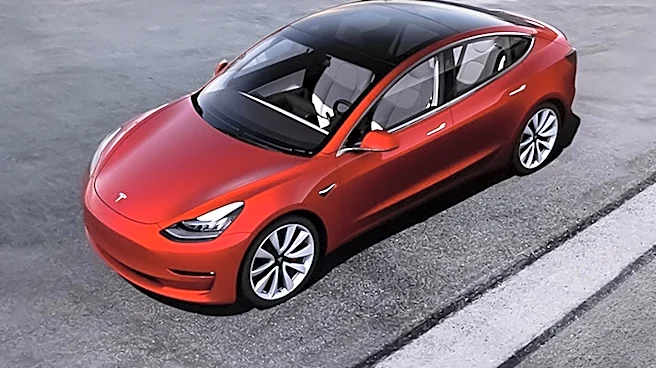
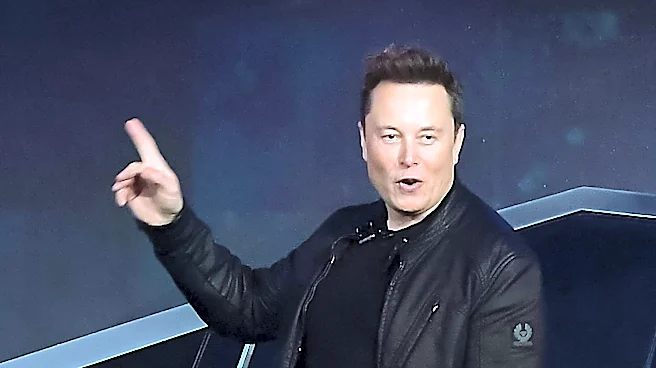
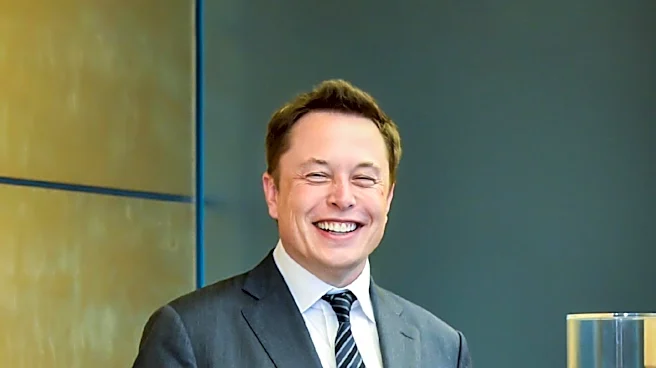
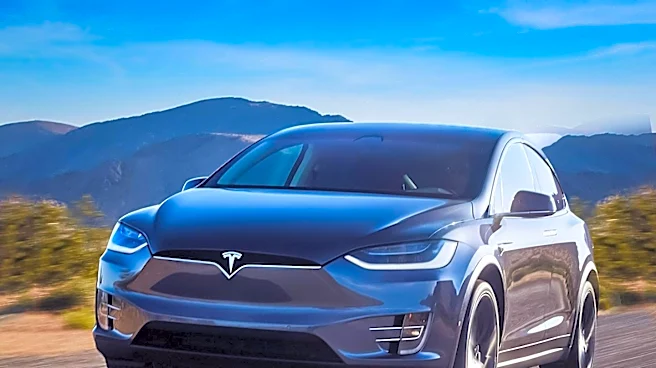
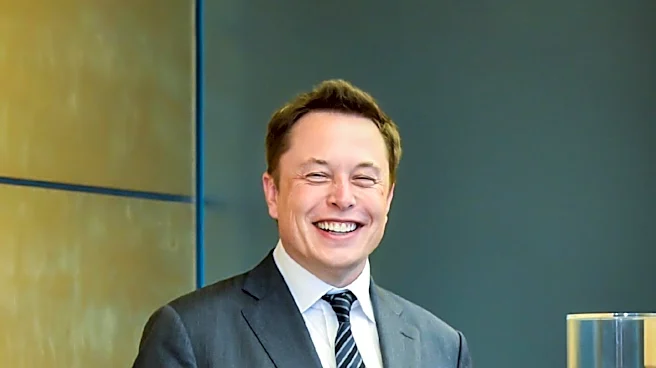
Tesla CEO Elon Musk has announced plans to expand Starlink satellite internet connectivity to all Tesla models, with a target rollout by late 2027. This initiative aims to provide high-speed internet access to passengers, independent of the vehicle's
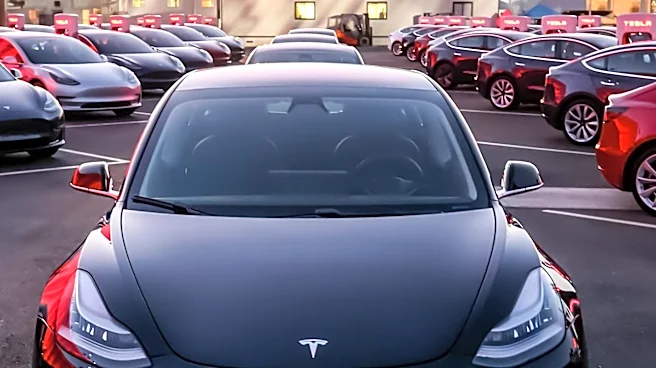
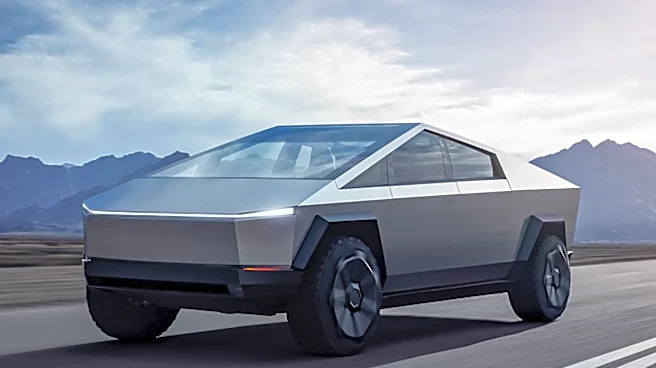
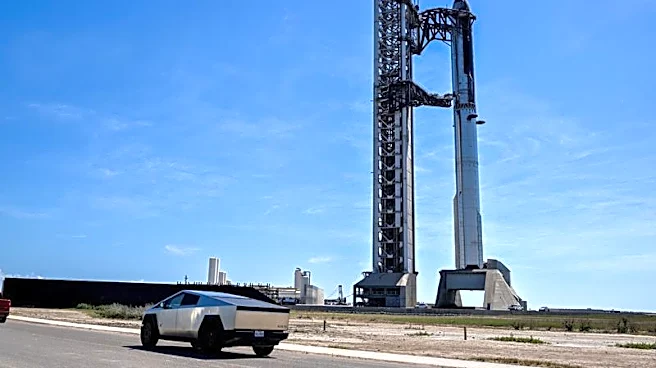
location. The integration is considered crucial for the widespread adoption of Tesla's unsupervised Full Self-Driving (FSD) system. Currently, Starlink integration has been observed in Tesla's Cybercab robotaxis operating in Dallas, where a small square antenna panel is visible on the roof. However, Ashok Elluswamy, head of Tesla's AI unit, clarified that Cybercab passengers cannot directly connect to Starlink yet; the current system is used solely for fleet management, navigation, and customer services. The method for integrating similar hardware into existing models like the Model 3 and Model Y remains unclear, potentially requiring redesigns of body panels or an external antenna solution similar to those tested on the Cybertruck.
Why It's Important?
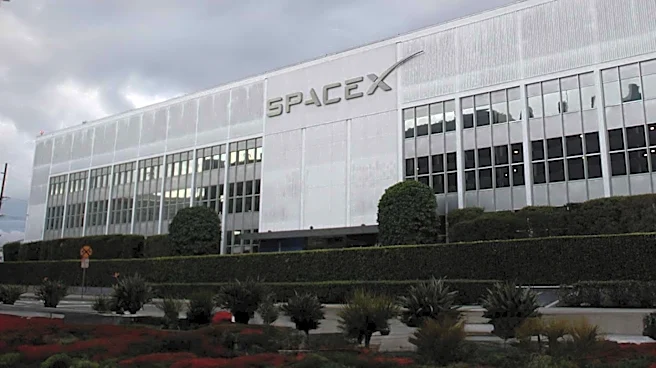
This development signifies a major step in enhancing the in-car experience and the functionality of autonomous vehicles. High-speed internet connectivity through Starlink could transform how passengers utilize their travel time, enabling them to work or access entertainment content seamlessly during autonomous drives. For Tesla, this integration could bolster the appeal and reliability of its FSD system, especially in areas with poor or no internet infrastructure, although the necessity of Starlink for FSD in such regions is still being evaluated. The move also highlights the growing convergence of automotive and aerospace technologies, with SpaceX's Starlink playing a pivotal role in Tesla's future offerings. However, the implementation challenges, such as potential vehicle redesigns and regulatory hurdles in certain countries like China where Starlink is illegal, could impact the global rollout and adoption of this feature.
What's Next?
Tesla aims to make Starlink connectivity available across all its models by the end of 2027. The company will need to address the technical challenges of integrating the Starlink hardware into existing vehicle designs, potentially through body panel redesigns or external antenna solutions. Further clarification is expected on how the Starlink connection will directly benefit the FSD system, given that FSD can already operate in areas with limited internet. Tesla will also need to navigate regulatory landscapes in various countries, as exemplified by the exclusion of China from this feature due to legal restrictions. The evolution of Cybercab's Starlink functionality, currently limited to fleet management, will likely serve as a precursor to broader passenger access.
Beyond the Headlines
The integration of Starlink into Tesla vehicles extends beyond mere internet access; it represents a strategic move towards creating a fully interconnected and autonomous transportation ecosystem. This could set a new standard for in-car connectivity, pushing other automotive manufacturers to explore similar satellite-based solutions. The ethical implications of constant connectivity and data usage within vehicles, especially concerning privacy and security, will become increasingly pertinent. Furthermore, the reliance on a single provider like Starlink for critical vehicle functions could raise questions about redundancy and potential vulnerabilities. This initiative also underscores the broader trend of technology companies expanding their influence across diverse sectors, blurring the lines between automotive, telecommunications, and artificial intelligence industries.