




What's Happening?
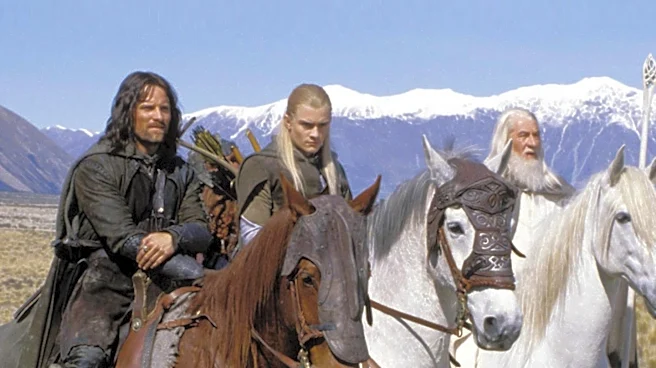
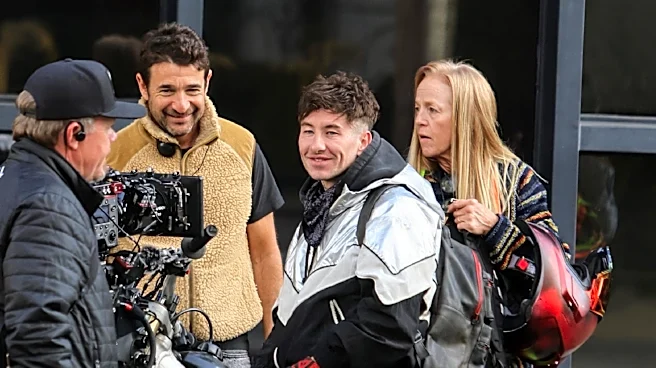
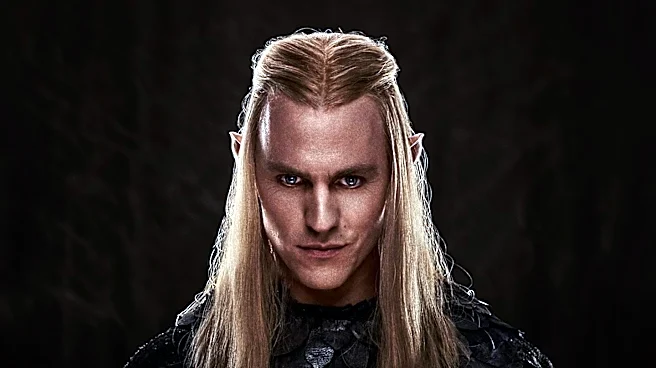
Andy Serkis, in a recent interview with the BBC, discussed the casting choices for his upcoming 'Lord of the Rings' movie, 'The Hunt for Gollum.' The film, currently in production, features a cast composed entirely of white actors, including Jamie Dornan,
Anna Taylor-Joy, Kate Winslet, Lee Pace, Leo Woodall, Elijah Wood, and Ian McKellen, with Serkis reprising his role as Gollum. Serkis acknowledged the franchise's historical lack of diversity, attributing it to the influence of Norse mythology on J.R.R. Tolkien's work. He stated that while the film will somewhat acknowledge these criticisms, it will not engage in 'politically correct casting for the sake of ticking boxes.' The film's casting has sparked discussions, especially in light of previous backlash faced by the Prime Video series 'The Lord of the Rings: The Rings of Power' for its diverse casting choices.
Why It's Important?
The casting decisions for 'The Hunt for Gollum' highlight ongoing debates about representation in the film industry, particularly in fantasy genres traditionally dominated by white actors. This issue is significant as it reflects broader societal discussions about diversity and inclusion. The lack of diversity in such a high-profile project could impact public perception and box office performance, as audiences increasingly demand more inclusive representation. The response to this casting choice may influence future casting decisions in the industry, potentially affecting how studios approach diversity in their projects. Additionally, the film's reception could impact the legacy of the 'Lord of the Rings' franchise, which has a global fanbase and cultural significance.
What's Next?
As 'The Hunt for Gollum' progresses towards its release on December 17, 2027, it remains to be seen how audiences and critics will respond to the film's casting choices. The industry may observe whether the film's performance influences future casting decisions in similar franchises. Additionally, the ongoing dialogue about diversity in media could lead to more inclusive practices in casting and storytelling. Stakeholders, including studios and advocacy groups, may continue to push for greater representation, potentially leading to changes in industry standards and practices.