


What's Happening?
Hanifa, a fashion brand, is relaunching after an eight-month hiatus, during which its founder, Mvuemba, took a break for mental clarity and to recalibrate the business. Mvuemba stated that she was not mentally prepared to continue and needed to step back
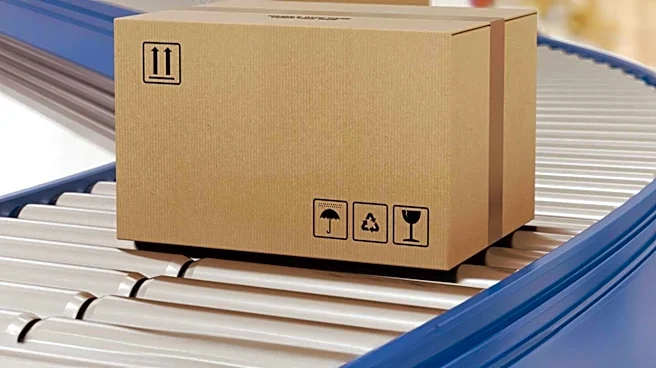
to be the best version of herself as a leader, mother, and wife. The brand has undergone significant changes, including a shift from a pre-order model to a fully ready-to-ship model. This new approach means Hanifa has fronted the entire new collection, a move Mvuemba describes as “expensive but necessary.” The company plans to utilize real-time performance data to guide production cadence and inventory investments. Additionally, Hanifa has invested in new customer service and logistics partners and hired a brand strategist, an art director, and a PR firm to support its comeback. Mvuemba also spent time with her baby, born in December, and sought therapy during her break.
Why It's Important?
This relaunch signifies a strategic pivot for Hanifa, moving away from a pre-order system that allowed for controlled production to a more capital-intensive ready-to-ship model. This change aims to meet customer demand for immediate fulfillment, potentially increasing customer satisfaction and market share. However, it also introduces greater financial risk due to the upfront investment in inventory. The founder's emphasis on mental health and taking a break for recalibration highlights a growing trend among entrepreneurs to prioritize well-being, challenging the traditional narrative of relentless work. This could set a precedent for other business leaders, particularly in the demanding fashion industry, to consider the importance of mental clarity for effective leadership and sustainable business growth. The investment in data analysis and new partnerships indicates a commitment to operational efficiency and customer responsiveness, crucial for long-term success in a competitive market.
What's Next?
Hanifa is now ready to return to the market with its new collection and operational model. The brand will focus on gathering customer feedback and utilizing data analysis to inform its production cycle and inventory management. Mvuemba aims to expand the brand's offerings, particularly in shoes and outerwear, with the goal of building a more complete ready-to-wear label in the coming year. While the brand has historically been bootstrapped, Mvuemba is open to external funding if the right partner emerges, and she is also considering retail partnerships, though direct-to-consumer remains the primary focus for now. The success of this relaunch will depend on how effectively the new ready-to-ship model meets customer expectations and how well the brand's expanded categories resonate with its target audience.
Beyond the Headlines
The founder's decision to take an extended break for mental health and family, despite the pressures of running a business, reflects a broader cultural shift towards acknowledging and prioritizing well-being in professional life. This move challenges the often-glamorized image of the perpetually busy entrepreneur and could inspire other business owners to consider similar pauses for personal and professional recalibration. Furthermore, the strategic shift to a ready-to-ship model in the fashion industry, while costly, addresses a common consumer frustration with long lead times. This could influence other direct-to-consumer brands to re-evaluate their production and fulfillment strategies to better align with immediate consumer gratification, potentially reshaping industry standards for delivery and inventory management. The brand's commitment to understanding its customer through data also underscores the increasing importance of data-driven decision-making in modern retail.