







What's Happening?
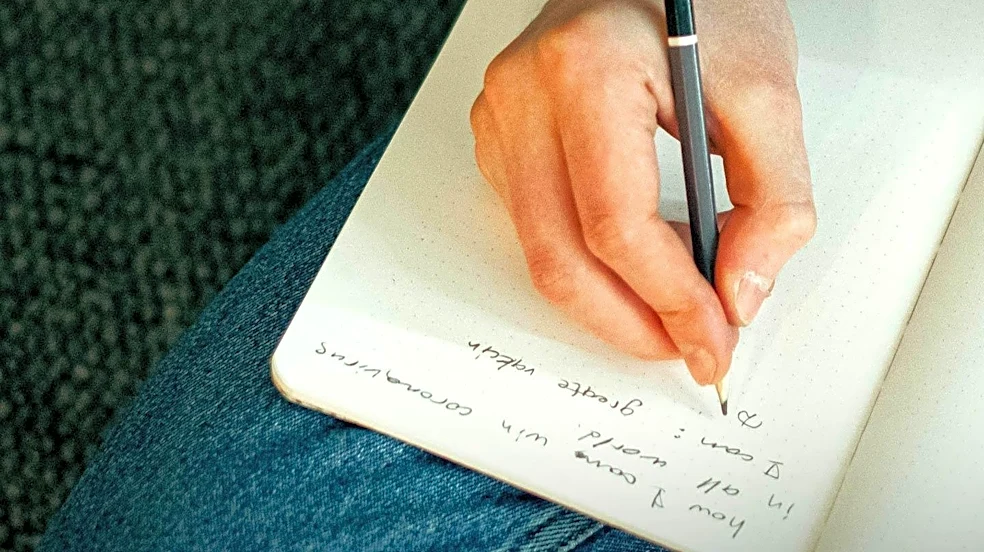
Practicing gratitude through journaling can significantly improve mental and physical well-being. This involves cultivating a mindset of thankfulness for what one possesses, leading to a more positive life outlook. Various methods are suggested, including
maintaining a gratitude journal, expressing appreciation to others, and focusing on positive aspects even in challenging situations. Specific practices include writing down things one is grateful for, visualizing past blessings, and setting future gratitude intentions. The process doesn't require extensive time; even 2-3 minutes daily with a single prompt can be effective. The key is to focus on specific details rather than generic statements, as this triggers stronger emotional responses. Habit stacking, such as pairing journaling with morning coffee or a bedtime routine, can help maintain consistency. Flexibility is also crucial, as missing a day should not lead to guilt but rather an opportunity to resume the practice later.
Why It's Important?
The integration of gratitude practices into daily routines holds significant importance for individuals navigating modern life's stresses. The human mind naturally exhibits a 'negativity bias,' an evolutionary trait that prioritizes threats and worries. This bias can be exacerbated by constant notifications and busy schedules, leading to prolonged stress. Gratitude journaling acts as a counterweight, intentionally directing attention towards positive experiences and fostering a healthier mindset. This practice can lead to lowered stress levels by reducing cortisol, improved sleep quality by calming a racing mind, and enhanced emotional resilience, making it easier to cope with setbacks. Furthermore, reflecting on supportive relationships deepens personal connections, and mindfulness is cultivated by noticing small moments of joy. These benefits contribute to overall mental wellness and physical health, offering a practical and accessible tool for self-care in a demanding world.
What's Next?
To effectively integrate gratitude journaling, individuals can start by choosing simple tools like a notebook and pen or a digital note app. The next step involves 'habit stacking,' where journaling is linked to an existing daily routine, such as morning coffee or bedtime. This ensures consistency without requiring a major lifestyle overhaul. Beginners are advised to select a single prompt and write 2-3 honest sentences or bullet points, focusing on specific details to evoke genuine emotion. Avoiding common pitfalls like writing on autopilot, forcing fake positivity, or turning it into a chore is crucial for long-term adherence. If daily entries feel overwhelming, adjusting the frequency to three times a week can maintain sustainability. The ongoing practice aims to foster a healthy mindset, providing emotional grounding to address life's challenges effectively.
Beyond the Headlines
Beyond the immediate benefits, the practice of gratitude journaling taps into deeper psychological and neurological mechanisms. The intentional shift from a 'negativity bias' to an appreciation for positive experiences can rewire neural pathways, promoting a more optimistic outlook over time. This isn't merely about superficial happiness but about building a robust emotional framework that can withstand adversity. Ethically, it encourages a focus on abundance rather than scarcity, potentially fostering greater empathy and connection within communities as individuals become more attuned to the support and kindness around them. Culturally, it challenges the pervasive emphasis on constant striving and acquisition by highlighting the value of contentment and present-moment awareness. In the long term, widespread adoption of such practices could contribute to a more resilient and compassionate society, where individuals are better equipped to manage stress and cultivate meaningful relationships.