







What's Happening?
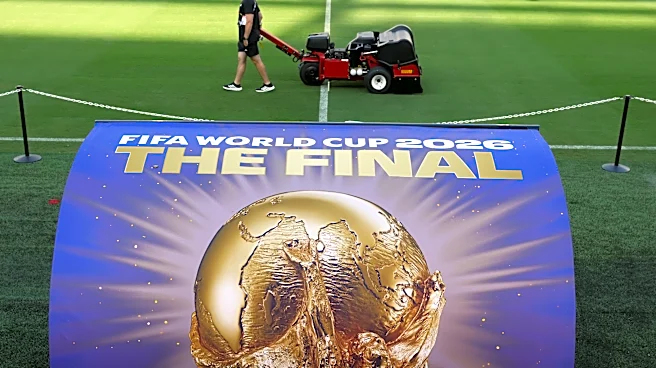
The 2026 FIFA World Cup saw a massive influx of global advertising, with over $10 billion spent on marketing efforts. Brands aimed to capture the attention of six billion potential viewers, but not all succeeded in breaking through the noise. Key lessons
from the event include the importance of long-term marketing strategies, as demonstrated by Adidas, which integrated its campaign with retail and product initiatives, resulting in significant sales and market growth. Other brands missed opportunities by failing to tap into dynamic stories or overusing celebrity endorsements, which diluted brand recognition. The event highlighted the need for brands to create engaging, two-way conversations with younger audiences, as exemplified by Café Bustelo's successful 'Game Face' campaign.
Why It's Important?
The World Cup serves as a critical platform for brands to engage with a global audience and drive commercial success. The lessons learned from this event underscore the importance of strategic planning and adaptability in marketing. Brands that effectively leverage major events like the World Cup can enhance their market position and achieve long-term growth. Conversely, those that fail to adapt to real-time developments or rely too heavily on traditional advertising methods risk losing relevance and market share. The insights gained from the World Cup can inform future marketing strategies across various industries, emphasizing the need for innovation and audience engagement.