




What's Happening?
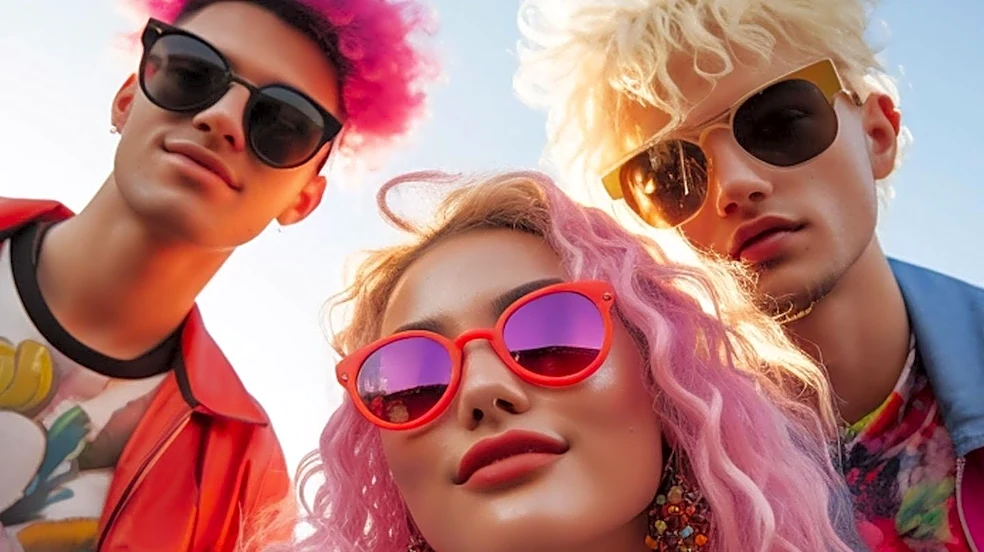
Gen Z is experiencing a wave of nostalgia for the aesthetics and digital norms of 2016, romanticizing the era on social media platforms. This period, characterized by bright pastel colors, dramatic makeup, bohemian outfits, and ironic memes on Vine and Tumblr,
is being called 'nostalgic' despite being only a decade ago. This yearning for 2016 is attributed to a desire for a simpler time, particularly in contrast to the post-2020 world, which has seen technology consume society and create new issues. The social media culture of 2016 is remembered as fun and playful, with spontaneous posting and organic creation, rather than the current pressures of curating perfect feeds and personal branding. The era was also marked by a strong 'monoculture,' where everyone experienced universal cultural moments together, a stark contrast to today's fragmented subcultures and rapidly cycling trends.
Why It's Important?
This resurgence of 2016 nostalgia among Gen Z has several implications for U.S. culture and digital platforms. For social media companies, it highlights a potential dissatisfaction with the current hyper-optimized, algorithm-driven content landscape and the pressures it places on users. This could prompt platforms to explore features that encourage more spontaneous and less curated interactions, or to re-evaluate the impact of their algorithms on user well-being. For brands and marketers, understanding this nostalgia can inform content strategies, potentially leading to campaigns that evoke the simpler, more communal digital experiences of the past. Culturally, it reflects a generational longing for a time before the complexities of the pandemic and the intense digital pressures of adulthood. This 'anemoia'—a longing for a time one never experienced—suggests a desire for collective experiences and a less fragmented cultural landscape, which could influence future trends in entertainment, fashion, and social interaction.
What's Next?
We can expect to see a continued trend of 2016-themed parties and aesthetic revivals in fashion and pop culture, as Gen Z actively reintroduces elements of the era. Social media platforms might experiment with features that mimic the more spontaneous and less curated posting styles of 2016, or introduce new ways to foster collective cultural experiences. Content creators and influencers may tap into this nostalgia, producing content that harks back to the digital norms and aesthetics of the mid-2010s. Beyond aesthetics, there might be a broader societal conversation about the impact of technology and social media on mental health and the desire for simpler digital interactions. This could lead to movements advocating for more mindful social media use or a push for platforms to prioritize genuine connection over algorithmic engagement. The yearning for monoculture could also influence the types of entertainment and media that gain widespread popularity, favoring shared experiences over niche content.
Beyond the Headlines
The nostalgia for 2016 among Gen Z points to a deeper societal reflection on the rapid pace of technological change and its impact on human connection and well-being. The shift from a 'monoculture' to fragmented 'subcultures' suggests a loss of shared cultural touchstones, which can contribute to feelings of isolation despite increased digital connectivity. This longing for a simpler digital past, particularly from a generation that largely experienced it as children, highlights the psychological toll of constant online performance and the pressure to maintain a personal brand. Ethically, it raises questions about the responsibility of social media platforms to design environments that promote genuine interaction and mental health, rather than solely focusing on engagement metrics. The desire to bring back the 'digital norms' of 2016 could spark a broader movement towards reclaiming online spaces as places for fun and connection, rather than stress and comparison, potentially leading to a more human-centered approach to technology development and usage.