



What's Happening?
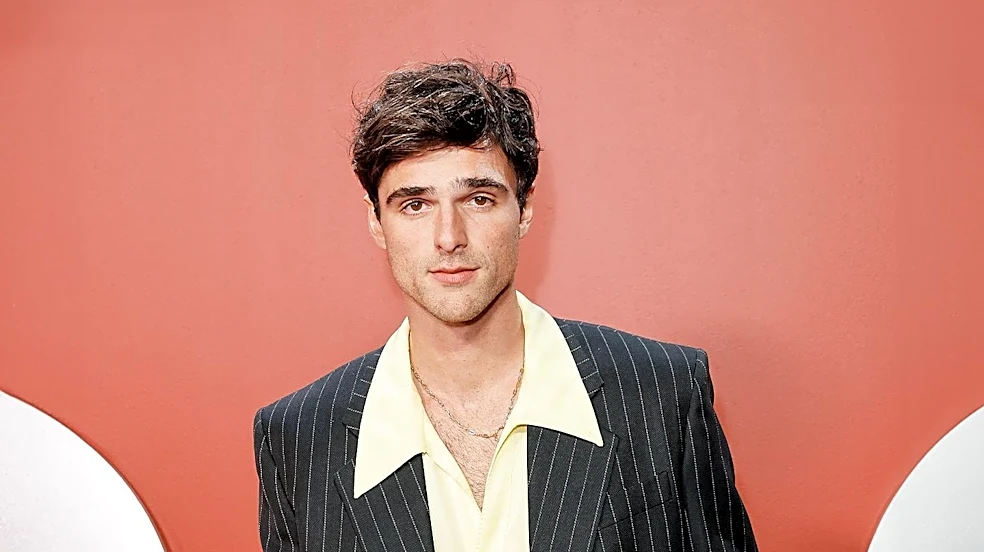
Australian actor Jacob Elordi recently confronted paparazzi in Los Angeles, requesting to be left alone. An audio clip, released by gossip page DeuxMoi and widely circulated on social media, captured Elordi inside his car telling a photographer, "There's
no point doing this." He stated he would not exit his vehicle or allow photos to be taken, emphasizing that he was alone with his dogs and not with his girlfriend, Kendall Jenner. Elordi urged the photographer to seek out other celebrities who might be more willing to be photographed, asserting his intention to avoid such encounters. This incident is not isolated; Elordi has previously pushed back against photographers, including during an outing with Jenner in Paris last month, where he asked them to "just let us walk." Late last year, he also confronted paparazzi in Paris, expressing that they were making it "really hard for me to live." Despite these requests for privacy, Elordi and Jenner recently attended the Academy Museum Gala in Los Angeles, a public event aimed at raising funds for film exhibitions and educational programs.
Why It's Important?
This incident highlights the ongoing tension between public figures and paparazzi, particularly concerning the right to privacy versus public interest in celebrity lives. For actors like Jacob Elordi, who have expressed a desire for a more private personal life, constant media scrutiny can impact their well-being and daily activities. The viral nature of the audio clip also underscores the power of social media in disseminating such encounters, potentially influencing public perception of both celebrities and the paparazzi industry. This dynamic can lead to broader discussions about ethical boundaries in journalism and the extent to which public figures are entitled to privacy outside of their professional engagements. The repeated nature of Elordi's confrontations suggests a growing frustration among some celebrities with the intrusive aspects of fame, potentially leading to more public calls for stricter regulations or greater respect for personal space.
What's Next?
It is likely that Jacob Elordi will continue to navigate public attention with a preference for privacy, potentially leading to further instances of him requesting space from photographers. As his career progresses and his public profile grows, the frequency of such encounters may increase, prompting him to adopt more defined strategies for managing media interactions. This could involve more explicit statements about his boundaries or increased security measures. The entertainment industry may also see continued discussions about paparazzi conduct, especially as more celebrities voice their concerns. While no immediate policy changes are expected, the cumulative effect of such incidents could contribute to a broader conversation within media organizations and among public figures about the balance between celebrity access and personal privacy. Future public appearances by Elordi, particularly with Kendall Jenner, will likely remain subjects of intense media interest, potentially leading to more instances where he attempts to control the narrative or limit photographic access.
Beyond the Headlines
The recurring confrontations between Jacob Elordi and paparazzi touch upon deeper societal implications regarding the commodification of celebrity and the erosion of personal boundaries in the digital age. The public's insatiable appetite for celebrity content, fueled by social media and gossip platforms, creates a constant demand that paparazzi often fulfill. This dynamic raises ethical questions about consent, exploitation, and the psychological toll on individuals living under constant surveillance. Furthermore, it highlights the evolving nature of fame, where personal moments are often transformed into public spectacle, blurring the lines between an actor's professional persona and their private life. The struggle for privacy by figures like Elordi reflects a broader societal challenge in defining and protecting personal space in an increasingly interconnected and media-saturated world, prompting reflection on the responsibilities of both media consumers and content creators.