





What's Happening?
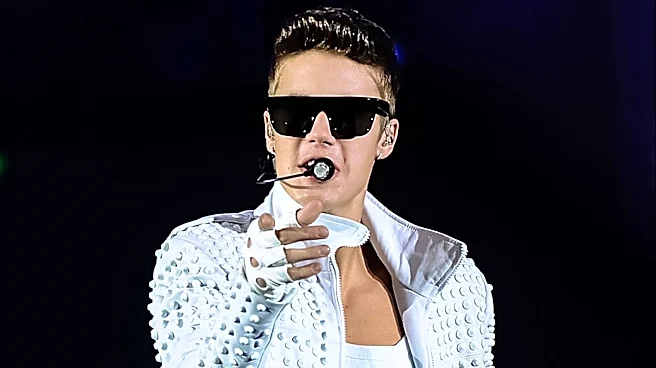
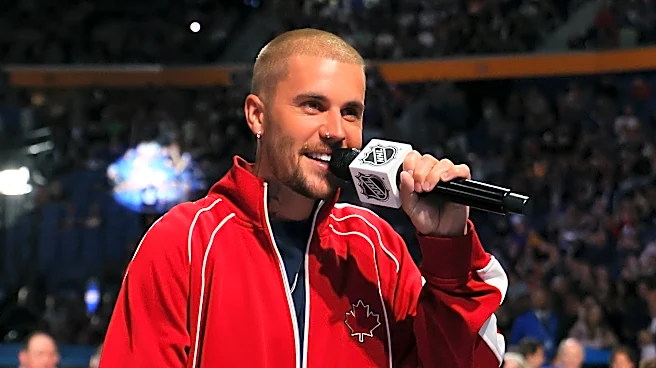
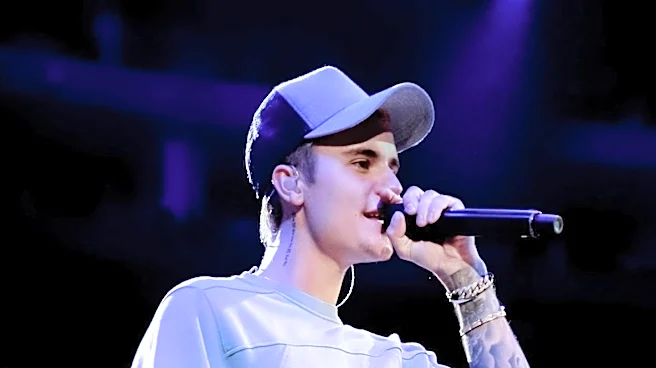
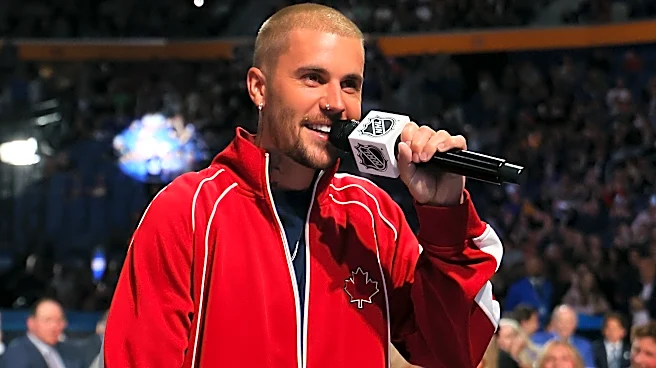
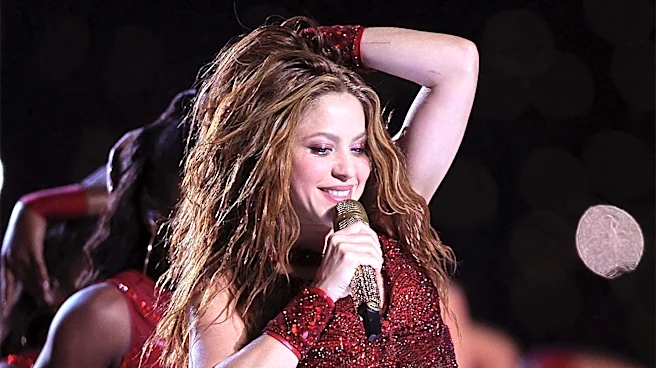
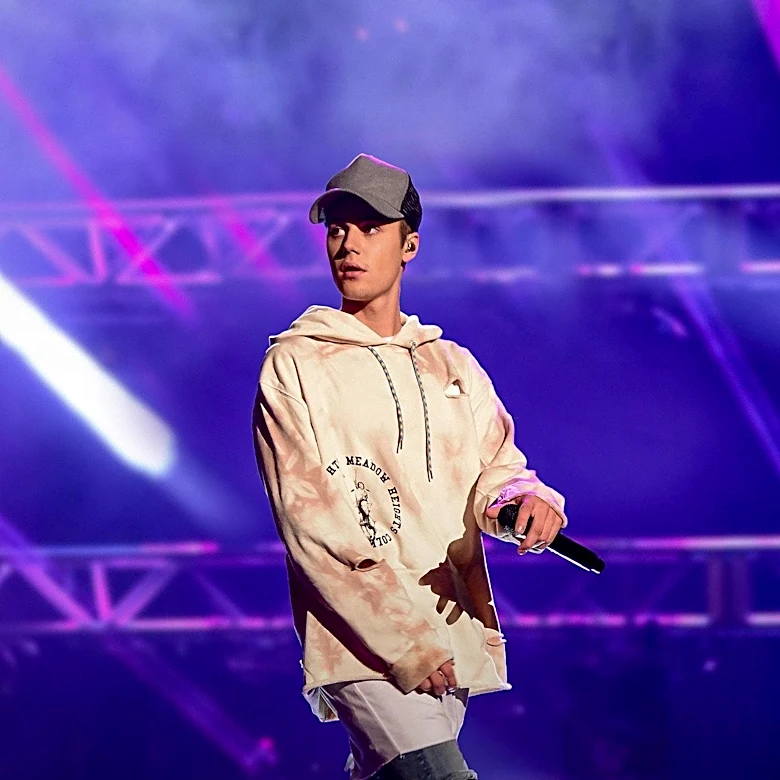
FIFA has announced a high-profile lineup for the halftime show of the 2026 men's World Cup final, set to take place on July 19. The performance will feature global music icons such as Justin Bieber, Madonna, Shakira, BTS, Afrobeats star Burna Boy, and
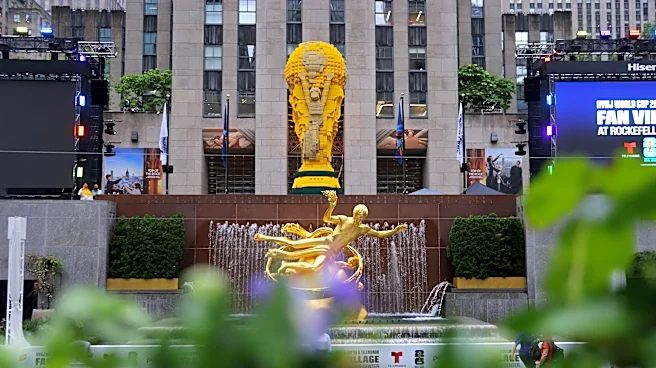
Venezuelan conductor Gustavo Dudamel. The PS22 Chorus, a choir of elementary school students from Staten Island, New York, will also participate. Coldplay's Chris Martin has curated the 11-minute performance, and he and his band will join the PS22 Chorus on stage. The show aims to support the FIFA Global Citizen Education Fund, which focuses on expanding educational access for children worldwide. This announcement follows a series of opening ceremony performances in Mexico City, Toronto, and Los Angeles, featuring artists like Andrea Bocelli and Katy Perry.
Why It's Important?
The inclusion of such a diverse and internationally recognized lineup underscores the global appeal and cultural significance of the FIFA World Cup. By featuring artists from various genres and regions, the event highlights the unifying power of music and sports. The halftime show not only promises to entertain millions of viewers but also serves a philanthropic purpose by supporting educational initiatives. This aligns with FIFA's broader goals of leveraging the World Cup's platform to promote social causes. The involvement of high-profile artists like Justin Bieber and Shakira can draw attention to the educational fund, potentially increasing donations and support for the cause.
What's Next?
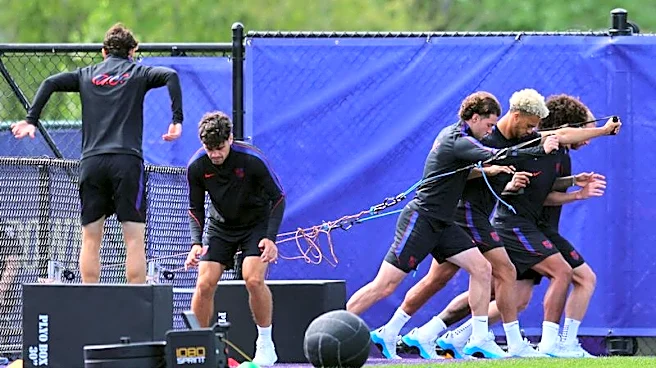
As the World Cup progresses, anticipation for the final and its accompanying halftime show will likely build. The remaining teams, including France and Argentina, are set to compete in the quarterfinals, with the potential for a rematch of the previous World Cup final. The outcome of these matches will determine which teams will join the performers in the final. Meanwhile, FIFA and the participating artists may continue to promote the educational fund, encouraging fans and viewers to contribute. The success of the halftime show could influence future World Cup events, setting a precedent for integrating entertainment with social impact initiatives.