






What's Happening?
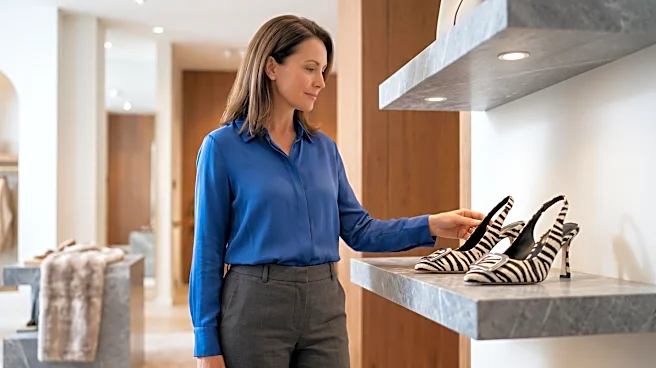
Fashionphile has established itself as a prominent online platform specializing in the resale of authenticated pre-owned luxury products. The company offers a wide array of designer items, including clothing, shoes, handbags, and accessories, at prices
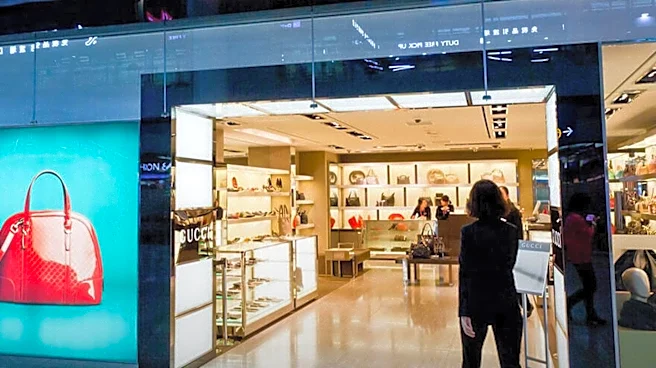
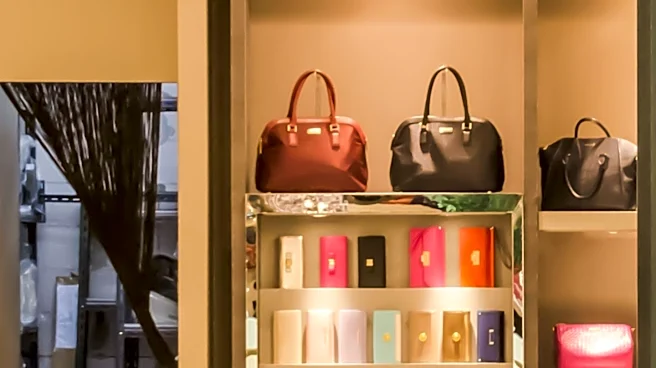
significantly lower than their original retail cost. A key differentiator for Fashionphile is its rigorous authentication process, which is designed to ensure that all products sold are genuine, providing buyers with confidence in their purchases. The platform features popular luxury brands such as Gucci, Bottega Veneta, Valentino, Saint Laurent, Loewe, and Balmain. Many consumers utilize Fashionphile to acquire highly sought-after luxury handbags that may no longer be available through traditional retail channels. The company also provides flexible purchasing options, including a down payment feature for luxury layaway, and offers free ground shipping for domestic orders. Returns are accepted within 15 days of delivery, provided the items remain in their original condition with all tags attached.
Why It's Important?
Fashionphile's model addresses a significant demand within the U.S. luxury market for accessible high-end goods, impacting both consumers and the broader retail landscape. By offering authenticated pre-owned items, the platform democratizes luxury fashion, making it attainable for a wider demographic who might otherwise be priced out of the market. This approach also contributes to the circular economy, promoting sustainability by extending the lifecycle of luxury products and reducing waste. For traditional luxury brands, the success of platforms like Fashionphile highlights a shifting consumer preference towards value and sustainability, potentially influencing their own strategies regarding inventory management, pricing, and engagement with the secondary market. The stringent authentication process employed by Fashionphile sets a high standard for trust in the resale sector, mitigating concerns about counterfeit goods and fostering consumer confidence in online luxury transactions. This model also provides an avenue for consumers to sell their luxury items, creating a dynamic marketplace that benefits both buyers and sellers.
What's Next?
The continued growth of platforms like Fashionphile suggests a sustained expansion of the luxury resale market in the U.S. As consumer awareness of sustainability and value increases, more individuals are likely to turn to authenticated pre-owned options. This trend could lead to further innovation in authentication technologies and services, as well as increased competition among resale platforms. Traditional luxury brands may explore deeper collaborations or integrations with resale sites to tap into this growing market segment and manage their brand image in the secondary market. Additionally, the success of Fashionphile could encourage the development of similar models in other high-value consumer goods sectors, further solidifying the shift towards a more circular economy. The platform may also expand its brand offerings or introduce new services to cater to evolving consumer demands and market trends.
Beyond the Headlines
The rise of Fashionphile and the broader luxury resale market reflects a significant cultural and economic shift. It challenges the traditional perception of luxury as solely defined by new, exclusive purchases, introducing a more pragmatic and environmentally conscious approach to high-end consumption. This shift has ethical implications, as it promotes sustainability and reduces the environmental footprint associated with fast fashion and constant new production. Legally, the emphasis on authentication by platforms like Fashionphile is crucial in combating the pervasive issue of counterfeit goods, protecting both consumers and intellectual property rights of luxury brands. Culturally, the acceptance and desirability of pre-owned luxury items signify a move away from stigma and towards a more sophisticated understanding of value, craftsmanship, and enduring style. This evolution suggests a long-term transformation in how luxury is perceived, acquired, and valued in American society.