



What's Happening?
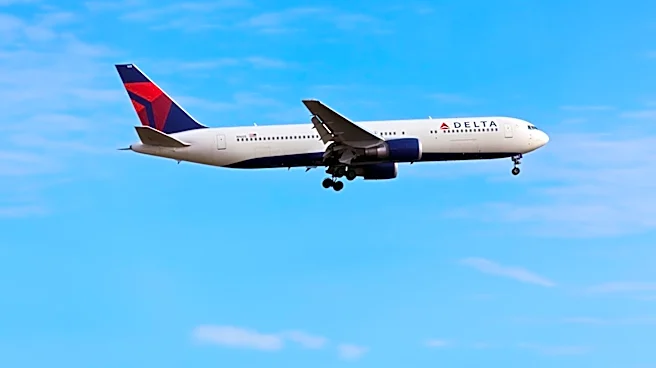
Delta Air Lines' policies for changing flights after booking are subject to variation based on the specific fare conditions, ticket type, and the nature of the change. While eligible flights can generally be modified, travelers may incur a change fee
or a fare difference, depending on the original ticket's terms. If the airline initiates a cancellation or a significant schedule change, passengers may be offered more flexible rebooking options, potentially without additional fees. The process for changing a flight can often be managed online through the 'Manage Booking' or 'My Trips' section on the airline's website. However, if a ticket was purchased through a travel agency, passengers are typically advised to contact the agency directly for assistance with modifications.
Why It's Important?
Understanding Delta Air Lines' flight change policies is crucial for travelers to avoid unexpected costs and ensure flexibility in their travel plans. The varying conditions highlight the importance of carefully reviewing fare rules before purchasing a ticket, as cheaper fares often come with stricter change restrictions. For the airline, these policies balance revenue management with customer satisfaction, allowing them to manage capacity and demand while providing options for passengers facing unforeseen circumstances. The distinction between voluntary changes and airline-initiated disruptions is particularly significant, as it dictates the level of compensation or flexibility offered to passengers, impacting consumer rights and airline accountability. Clear communication of these policies is vital for maintaining trust and transparency with customers.
What's Next?
Delta Air Lines will likely continue to refine its flight change policies in response to evolving travel trends and customer feedback. There may be a push towards more transparent and user-friendly online tools for managing changes, potentially integrating AI to guide passengers through complex scenarios. As the industry navigates potential future disruptions, airlines might explore more flexible fare options or insurance products that offer greater peace of mind for travelers. Additionally, regulatory bodies may continue to scrutinize airline change policies, particularly concerning airline-initiated cancellations, to ensure fair treatment of passengers. Delta's ability to adapt these policies while maintaining profitability will be key to its competitive standing.
Beyond the Headlines
The complexity of flight change policies reflects a deeper tension between consumer flexibility and airline operational efficiency. While passengers desire the ability to alter plans without penalty, airlines face significant logistical and financial challenges when flights are changed. This dynamic often leads to a tiered system of fares, where premium prices offer greater flexibility. Ethically, the onus is on airlines to clearly communicate these intricate rules at the point of sale. Culturally, the expectation of instant and flexible service, driven by digital platforms, clashes with the rigid operational realities of air travel. The long-term implication is a continuous negotiation between consumer demands for adaptability and the economic and operational constraints of the airline industry, potentially leading to innovative solutions that bridge this gap, such as subscription-based flexibility or dynamic pricing models that adjust in real-time to demand and risk.