



What's Happening?
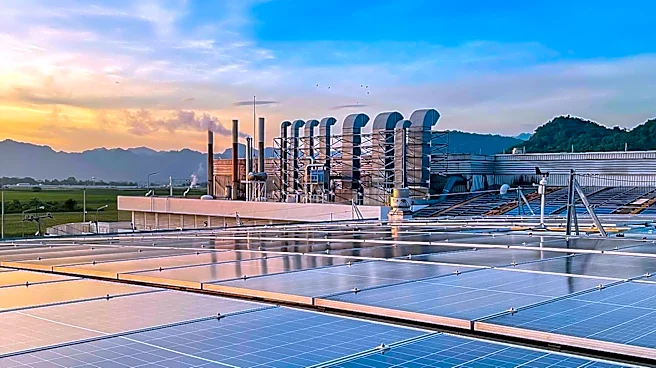
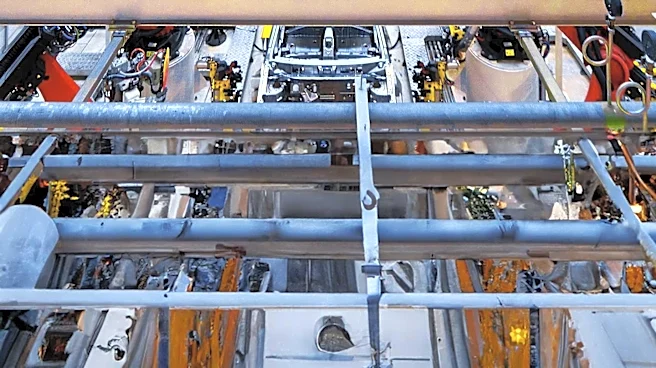
L'Oréal Groupe has announced that its two manufacturing plants in Mexico, located in San Luis Potosí and Mexico City, are now operating entirely on 100% renewable energy. These facilities collectively produce over 420 million units annually. The company's
operations in Mexico also support a significant workforce, with its value chain generating over 46,000 direct, indirect, and induced jobs nationwide. In addition to clean energy adoption, L'Oréal has expanded its sustainability initiatives to include 84 refillable product SKUs, which have reduced virgin plastic and glass consumption by up to 60% and 74% respectively. The company has also broadened its programs for salon hair-waste water remediation and women’s workforce training, aligning with broader efforts to advance a circular economy and clean energy practices in the region.
Why It's Important?
L'Oréal's commitment to 100% renewable energy in its Mexican manufacturing operations sets a precedent for other multinational corporations operating in the U.S. and North America. This move demonstrates a tangible step towards reducing carbon footprints and promoting sustainable industrial practices, which can influence consumer preferences and regulatory pressures in the U.S. market. The creation of over 46,000 jobs through its value chain highlights the economic benefits that can accompany green initiatives, potentially inspiring similar job creation strategies in the U.S. through sustainable manufacturing. Furthermore, the reduction in virgin plastic and glass consumption through refillable products addresses growing environmental concerns, which could drive innovation and demand for similar eco-friendly packaging solutions within the U.S. beauty and consumer goods industries. This also aligns with increasing U.S. consumer and investor demand for corporate social responsibility and environmental stewardship.
What's Next?
The success of L'Oréal's renewable energy and circular economy initiatives in Mexico could serve as a model for its operations in the United States and other global markets. Companies in the U.S. consumer goods sector may face increased pressure from consumers, investors, and regulators to adopt similar sustainable practices, including transitioning to renewable energy sources and implementing refillable product lines. This could lead to further investments in green technologies and infrastructure across the U.S. manufacturing landscape. Additionally, the focus on job creation through sustainable value chains might encourage U.S. policymakers to explore incentives for companies that integrate environmental responsibility with economic development. The ongoing development of Extended Producer Responsibility (EPR) compliance in Mexico could also foreshadow future regulatory trends in the U.S., prompting American companies to proactively develop circular management plans for their packaging.
Beyond the Headlines
L'Oréal's actions in Mexico underscore a broader global shift towards integrating environmental sustainability with core business strategies. This move is not merely about compliance but reflects a strategic decision to enhance brand reputation, meet evolving consumer expectations, and potentially achieve long-term cost savings through energy efficiency and reduced material consumption. The emphasis on job creation within the sustainable value chain highlights the potential for green initiatives to contribute to economic growth and social equity, challenging the perception that environmental protection comes at the expense of economic development. This integrated approach could influence corporate governance and investment decisions in the U.S., encouraging a more holistic view of corporate responsibility that encompasses environmental, social, and economic impacts. The company's efforts also contribute to the global dialogue on climate change and resource depletion, demonstrating how large corporations can play a significant role in driving positive environmental change.