






What's Happening?
Evaluating a cruise itinerary effectively requires looking beyond the sheer number of ports to consider factors such as scenic cruising, port call durations, docking locations, and the ship's amenities. A seemingly attractive itinerary with many ports might
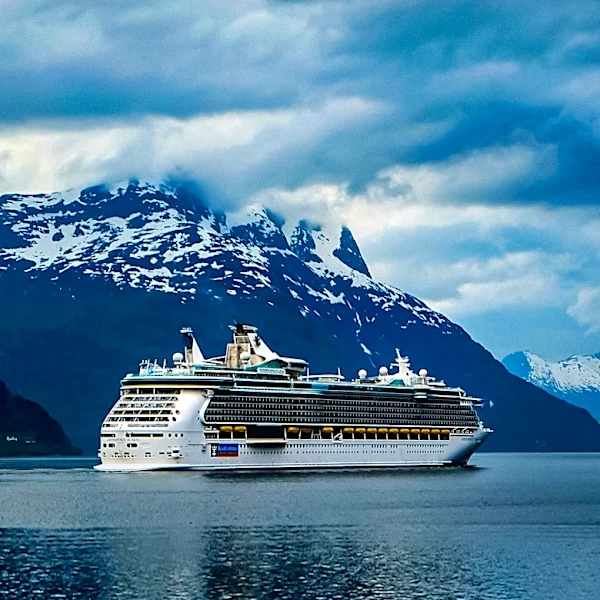
lead to an exhausting experience due to early starts and short stays, while a well-paced voyage with fewer ports could offer a more fulfilling vacation. Scenic cruising, like sailing through Norwegian fjords or the Stockholm archipelago, can be a significant highlight, making the journey between destinations as memorable as the destinations themselves. The type of ship also plays a crucial role; a resort-style ship with extensive onboard facilities is more valuable on itineraries with several sea days, whereas a destination-focused cruise might prioritize time ashore.
Why It's Important?
This detailed approach to evaluating cruise itineraries is important for U.S. consumers as it empowers them to make more informed travel decisions, ensuring their vacation aligns with their expectations and preferences. By understanding these nuances, travelers can avoid potential disappointments and maximize their investment in a cruise. For the U.S. travel industry, this highlights the need for transparency and comprehensive information in itinerary descriptions, moving beyond basic port lists. Cruise lines that effectively communicate these deeper aspects of their itineraries may gain a competitive advantage by attracting travelers seeking specific types of experiences, whether it's relaxation, cultural immersion, or scenic beauty. This also influences the design and marketing strategies of cruise operators, encouraging them to offer more diverse and thoughtfully planned voyages.
What's Next?
The trend towards more discerning cruise itinerary evaluation suggests that cruise lines will increasingly need to provide richer details about their voyages, including information on scenic routes, typical port activities, and the balance between sea days and port days. Travelers may see more customizable itinerary options or more specialized cruises catering to specific interests, such as photography, history, or adventure, where the journey itself is a key component. Travel agents and online platforms will likely enhance their tools and resources to help consumers compare itineraries based on these deeper criteria. This could also lead to a greater emphasis on pre-trip planning resources and educational content to guide travelers in selecting the best cruise for their needs, moving away from a purely price-driven decision-making process.
Beyond the Headlines
The shift in how cruise itineraries are evaluated reflects a broader cultural evolution in U.S. leisure travel, where experiences are increasingly valued over mere consumption. This deeper consideration of travel quality can lead to more sustainable tourism practices, as travelers might opt for slower, more immersive journeys rather than rapid, superficial tours. It also encourages a more mindful approach to vacationing, where the journey and the moments between destinations are appreciated. Ethically, this promotes a more honest representation of travel products, fostering trust between consumers and providers. The emphasis on understanding the 'weak points' of an itinerary encourages a realistic perspective on travel, acknowledging that every trip involves compromises and helping travelers prioritize what truly matters to them.