



What's Happening?
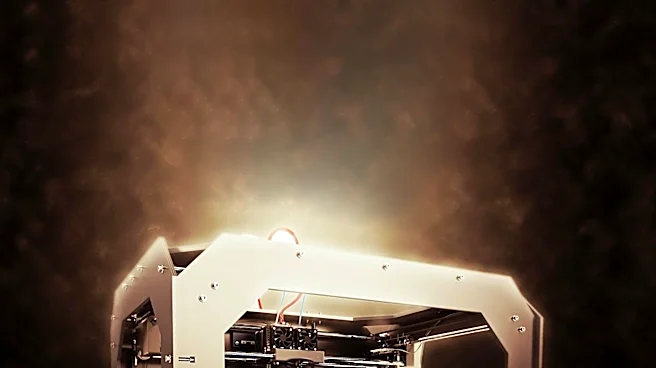
Huntington veteran Josh Perry has turned to 3D printing as a means to continue creating art following an Army injury that affected his shoulder and neck. After struggling with addiction and serving time in prison, Perry discovered art therapy through
a ceramics class at Marshall University. This creative outlet provided him with a sense of calm and purpose. However, his physical limitations prevent him from engaging in traditional ceramic methods. To overcome this, Perry adopted 3D printing technology, which allows him to continue his artistic passion. He aims to inspire other artists with physical limitations to explore similar adaptive methods. Perry recently opened Iron & Earth, a temporary storefront in Huntington’s Central City district, as part of RenewAll’s Pop-Up West program, which offers affordable retail spaces for new businesses. The store is scheduled to operate three days a week until January 31, 2027.
Why It's Important?
This development highlights the innovative use of technology to overcome physical barriers in creative fields, offering a model for accessibility in art. For veterans, particularly those with service-related injuries, finding therapeutic and vocational outlets is crucial for reintegration and well-being. Perry's initiative demonstrates how 3D printing can empower individuals with disabilities to pursue their passions and contribute to their communities. The establishment of Iron & Earth also supports local economic development in Huntington, providing a new business with a low-cost entry point into retail through RenewAll’s Pop-Up West program. This initiative not only fosters artistic expression but also contributes to the revitalization of the Central City district, potentially inspiring other entrepreneurs and artists to utilize similar resources and technologies.
What's Next?
Josh Perry's Iron & Earth storefront will remain open three days a week through January 31, 2027, providing a platform for his art and a potential model for other artists with physical limitations. The success of this temporary venture could lead to a permanent establishment or inspire similar pop-up programs in other communities. Perry's story may also encourage more veterans and individuals with disabilities to explore 3D printing and other adaptive technologies for artistic and vocational purposes. RenewAll’s Pop-Up West program will likely continue to support emerging businesses, and the visibility of Perry's project could attract more participants and funding for such initiatives, further boosting local economies and creative communities.
Beyond the Headlines
Perry's story transcends a simple business opening; it delves into the profound impact of art as therapy and the transformative power of technology in overcoming personal adversity. His journey from addiction and incarceration to artistic entrepreneurship underscores the importance of rehabilitation programs that incorporate creative outlets. The use of 3D printing in this context raises broader questions about the future of art creation and accessibility, suggesting a shift towards more inclusive and technologically integrated artistic practices. This development could also spark discussions about public and private sector support for adaptive technologies and entrepreneurial ventures for veterans and individuals with disabilities, fostering a more equitable and innovative society.