

What's Happening?
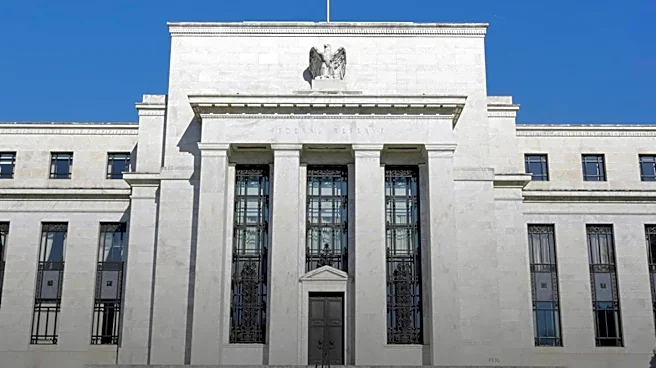
The average long-term U.S. mortgage rate has risen for the fifth consecutive week, reaching 6.69%, the highest level in over a year. This increase is attributed to factors such as inflation, Federal Reserve policy decisions, and bond market expectations.
The rise in mortgage rates is impacting prospective homebuyers by increasing borrowing costs, which may lead to a slowdown in home sales. The 15-year fixed-rate mortgage saw a slight decrease, but overall, the trend of rising rates is causing concern among potential buyers.
Why It's Important?
The increase in mortgage rates has significant implications for the housing market and the broader economy. Higher borrowing costs can deter potential homebuyers, leading to reduced demand and potentially slowing down the housing market. This situation can affect economic growth, as the housing sector is a critical component of the U.S. economy. Additionally, rising rates can impact consumer spending and financial stability, as households allocate more income towards mortgage payments.
What's Next?
As mortgage rates continue to rise, potential homebuyers may delay purchasing decisions, leading to a potential slowdown in the housing market. The Federal Reserve's future policy decisions will be closely watched, as they could influence the trajectory of mortgage rates. Economic stakeholders, including real estate professionals and financial institutions, will need to adapt to the changing market conditions and assess the impact on their operations and strategies.