



What's Happening?
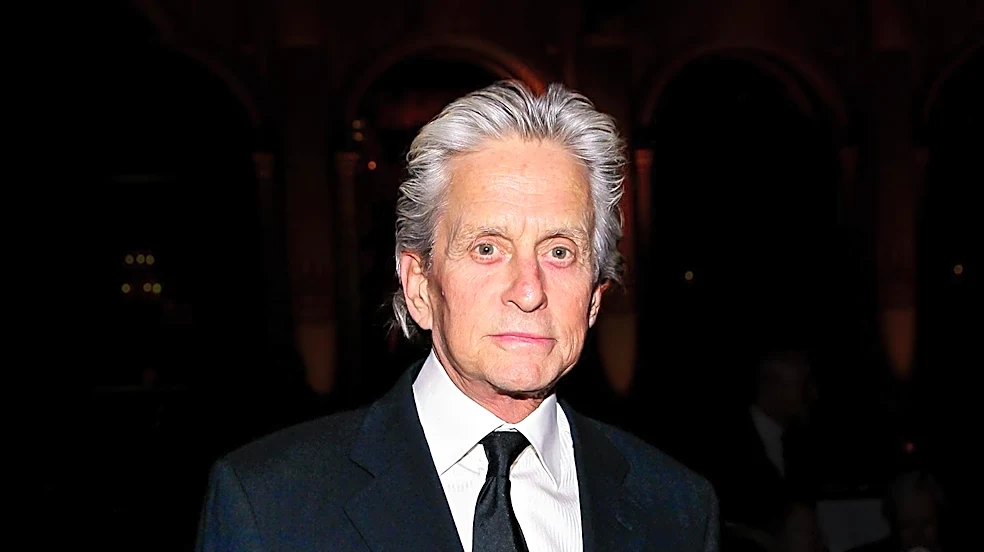
Veteran actor Michael Douglas, known for his role as Dr. Hank Pym in the 'Ant-Man' film series, disclosed in an interview on the 'Happy Sad Confused' podcast that he had requested Marvel to kill off his character after the second installment. Douglas, who
portrays the original Ant-Man and mentor to Paul Rudd's Scott Lang, expressed a desire to exit the franchise. He explained that his initial motivation for joining the Marvel Cinematic Universe was to experience acting in a 'green screen movie,' a novel experience for him. However, he found the process of acting against green screens and the extensive commitment required by Marvel contracts to be challenging and ultimately tiring. Despite his pitch for a dramatic death scene in 'Ant-Man and the Wasp: Quantumania,' Marvel declined his request.
Why It's Important?
This revelation highlights the significant control Marvel Studios maintains over its cinematic universe and the characters within it, even when dealing with acclaimed actors like Michael Douglas. It underscores the long-term contractual obligations that actors often enter into when joining major franchises, which can limit their creative freedom and ability to exit roles. The difficulty Douglas experienced with green screen acting also sheds light on the unique demands of modern blockbuster filmmaking, where CGI often replaces traditional sets and interactions. This situation could influence how other veteran actors approach roles in large-scale, effects-heavy productions, potentially leading to more scrutiny of contract terms and production processes.
What's Next?
While Michael Douglas has indicated he is likely done with the 'Ant-Man' franchise, Marvel's decision to keep Dr. Hank Pym alive leaves open the possibility of the character's return in future MCU projects, potentially with a different actor or through archival footage. Douglas's comments may also prompt further discussion within the industry about actor autonomy versus studio control in major franchises. For Douglas himself, his focus appears to be shifting towards spending more time with his family and taking on roles that align with his current preferences, as evidenced by his recent memoir and other projects. The incident serves as a case study in the complexities of actor-studio relationships in contemporary Hollywood.
Beyond the Headlines
Beyond the immediate implications for the 'Ant-Man' series, this story touches upon broader themes of artistic fulfillment and the evolving nature of acting in the digital age. Douglas's initial curiosity about green screen technology, followed by his eventual fatigue, reflects a common sentiment among actors transitioning from traditional filmmaking to CGI-heavy productions. It raises questions about the craft of acting when much of the performance relies on imagination and post-production effects. Furthermore, the anecdote about Marvel's refusal to kill off a character, despite the actor's wishes, illustrates the power dynamics at play in major film studios, where character longevity and franchise continuity often take precedence over individual actor preferences. This dynamic can have long-term effects on actor engagement and the creative process.