
What's Happening?
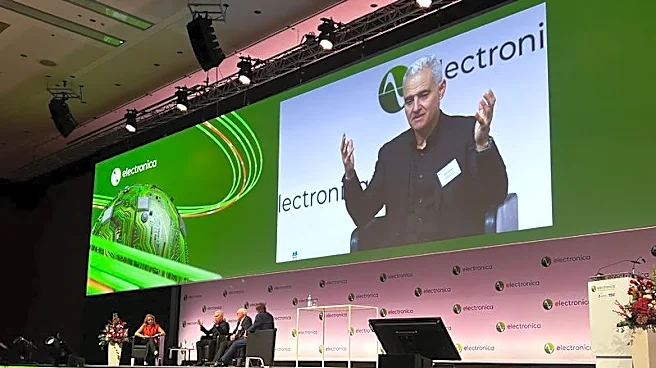
LITEON Technology is showcasing its latest optoelectronic semiconductor technologies at electronica 2026 in Munich, Germany, under the theme 'Intelligent Photonics.' The company is highlighting its VHP
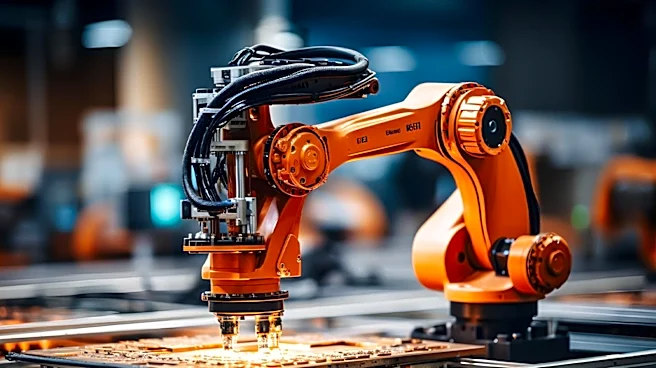
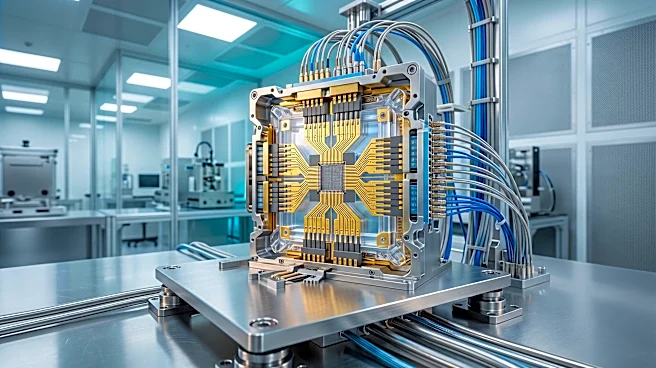
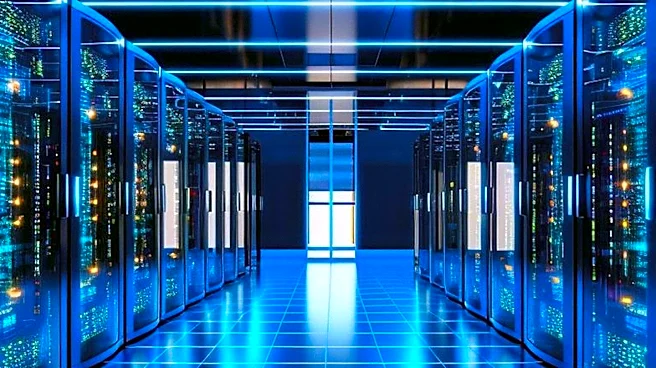
External Laser Source (ELS) technology and ELSFP solutions, which are designed to support co-packaged optics (CPO) and non-CPO switch architectures. These solutions aim to provide high-performance, scalable optical connectivity crucial for AI clusters and future data centers. LITEON's offerings are designed to accommodate various system configurations, including liquid-cooling architectures and diverse integration requirements, to help customers build more efficient AI networking infrastructure. Additionally, LITEON is presenting isolation and power-control technologies for 800 VDC power systems and AI data center power architectures, extending its expertise from data transmission to power conversion and control. This portfolio includes Isolation Amplifiers, Gate Drivers, high-speed Photocouplers, Photo Relays, and reinforced isolation platforms, which are vital for safe and reliable power conversion, as well as precise signal sensing and control in high-voltage, high-power environments. The company is also demonstrating Multi-Zone ToF, Direct ToF, Metalens Dot Projectors, and SWIR sensing technologies for applications in robotics, machine vision, industrial automation, autonomous navigation, and AR/VR. Furthermore, LITEON is featuring next-generation AR optical technologies, such as MicroLED display modules, full-color optical engines, waveguide integration, and AR optical system design, expanding its presence in emerging applications like smart wearables and immersive computing.
Why It's Important?
The advancements showcased by LITEON are critical for the evolving landscape of AI computing and data center infrastructure in the U.S. and globally. As AI workloads become increasingly demanding, there is a growing need for higher bandwidth, lower latency, and greater energy efficiency in data centers. LITEON's high-speed optical interconnect solutions directly address these challenges by enabling more efficient data transmission between processors and switches. The integration of liquid-cooling architectures within these solutions is particularly important, as heat management is a significant hurdle for high-performance computing. By providing robust power control and isolation technologies, LITEON contributes to the reliability and safety of high-voltage power systems in AI data centers, which are essential for continuous operation and preventing costly downtime. The expansion into intelligent sensing and AR optical technologies also signifies a broader impact on various U.S. industries, including manufacturing, automotive (autonomous navigation), and consumer electronics (AR/VR, smart wearables). These innovations can drive efficiency, enhance safety, and enable new product development across multiple sectors, positioning LITEON as a key player in the digital transformation driven by AI.
What's Next?
LITEON's continued focus on integrating technologies across components, modules, and system-level applications suggests a future where optoelectronic solutions become even more central to AI infrastructure. The company's role as a 'Digital Photonics Integrator' indicates a strategic move towards comprehensive solutions that address the complex demands of high-speed transmission, efficiency, and intelligent sensing. Future developments will likely involve further refinement of their ELS technology and ELSFP solutions to meet increasing bandwidth requirements and reduce power consumption in next-generation AI data centers. The emphasis on liquid-cooling compatibility points to a trend where advanced thermal management will be a standard feature in high-performance computing environments. LITEON's ongoing research and development in AR optical technologies also suggest a future where immersive computing and smart wearables become more sophisticated and integrated into daily life, driven by enhanced optical components. The company's participation in events like electronica 2026 indicates a commitment to staying at the forefront of technological innovation and collaborating with industry partners to shape the future of AI and optoelectronics.
Beyond the Headlines
The broader implications of LITEON's advancements extend beyond mere technological upgrades; they represent a fundamental shift in how data centers and AI infrastructure are designed and operated. The move towards co-packaged optics and advanced thermal management signifies a recognition that traditional approaches are no longer sufficient for the demands of AI. This shift could lead to a more integrated and holistic approach to hardware design, where optical, electrical, and thermal considerations are addressed concurrently from the outset. The development of robust power control and isolation technologies also highlights the increasing importance of energy efficiency and sustainability in the tech industry, as data centers consume vast amounts of power. Furthermore, LITEON's foray into AR optical technologies suggests a future where the lines between the physical and digital worlds become increasingly blurred, with implications for human-computer interaction, education, and entertainment. The ethical considerations surrounding data privacy and the responsible deployment of AI will become even more pertinent as these technologies become more pervasive, requiring ongoing dialogue and regulatory frameworks.