


What's Happening?
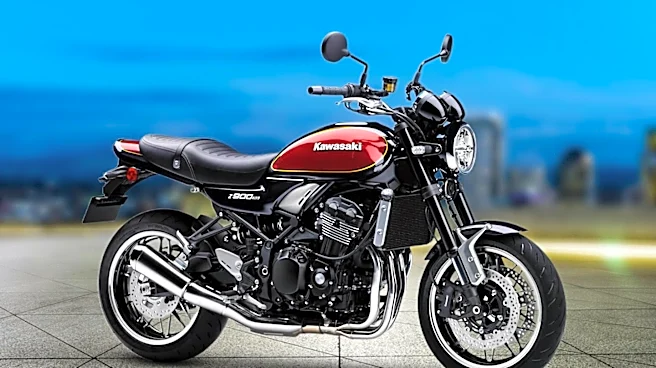
Kawasaki has unveiled a new color option for its Z900RS Café motorcycle, introducing a Candy Tone Red that enhances its retro appeal. This new color is part of Kawasaki's effort to refresh its neo-retro motorcycle lineup, which has been a frontrunner
in the market. The Z900RS Café, known for its old-school fairing, shapely tank, and upswept tail, now features a color that echoes the legendary 1970s Z1 model. Previously, Kawasaki's color palette for this model was limited, often sticking to darker shades like black. The new Candy Tone Red is initially available in the Japanese market, with hopes that it will soon be offered in the United States.
Why It's Important?
The introduction of the Candy Tone Red color option for the Z900RS Café is significant as it represents Kawasaki's commitment to the growing neo-retro motorcycle trend. This move could potentially attract a broader audience, including younger riders who are drawn to nostalgic designs. The new color option not only enhances the aesthetic appeal of the motorcycle but also aligns with the current trend of retro-inspired products across various industries. For Kawasaki, this could mean increased sales and a stronger presence in the competitive motorcycle market. Additionally, the introduction of this color in the Japanese market first suggests a strategic approach to gauge consumer interest before potentially expanding to other markets, including the U.S.
What's Next?
If the Candy Tone Red proves popular in Japan, Kawasaki may expand its availability to other markets, including the United States. This could lead to further diversification of color options for the Z900RS Café, potentially setting a trend for other manufacturers to follow. Motorcycle enthusiasts and dealers in the U.S. will likely monitor the reception of this new color closely, as it could influence future purchasing decisions and inventory choices. Additionally, Kawasaki's success with this color option might encourage the company to explore more innovative designs and features in its future models.