
What's Happening?
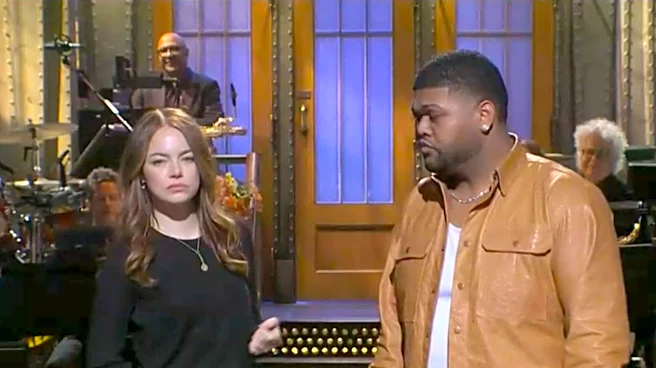
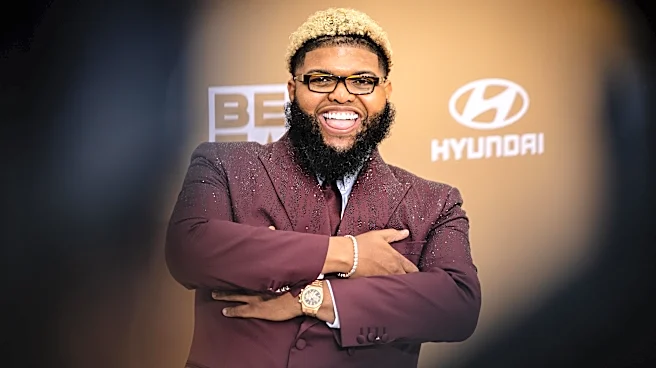
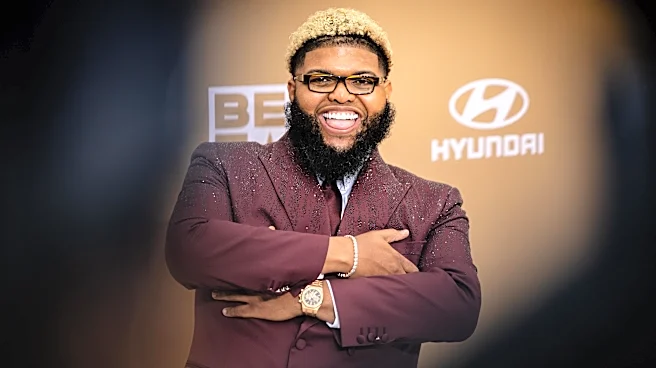
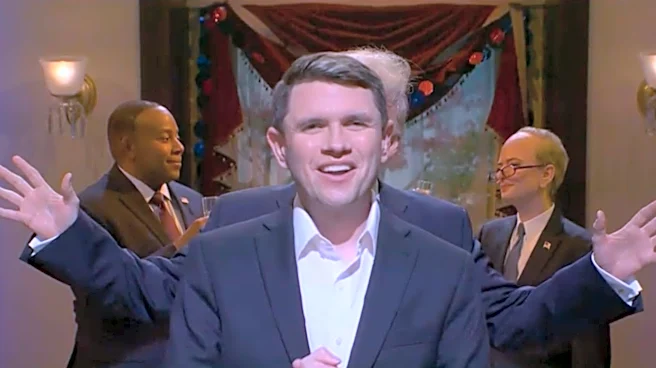
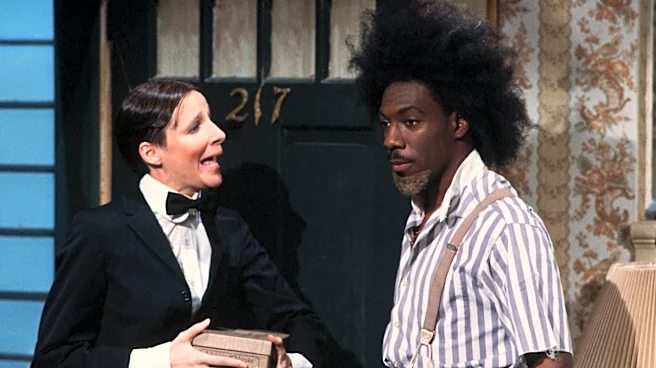
The fifth episode of Saturday Night Live's (SNL) Season 52, hosted by internet comic Druski, has been widely criticized as the worst of the season so far. Reviewers noted a lack of flow in the sketches,
poor pacing, uninspired direction, and low ensemble energy, leading to audience indifference. The writing was described as surface-level, with premises failing to develop into effective comedy. Technical issues were also apparent, including a stuttered return from the first commercial break. Druski's performance as host was deemed ineffective, with critics stating his online brashness did not translate well to live television. His characters were perceived as labored, tentative, and loud without being funny, often coming across as unconvincing or half-assed. Despite cameos from Chris Rock and Dave Chappelle, Druski's hosting stint failed to elevate the episode, contributing to a season already struggling with creative rejuvenation.
Why It's Important?
The critical reception of Druski's SNL episode highlights broader concerns about the show's current creative direction and its ability to adapt to evolving comedic landscapes. As a long-standing institution in American television, SNL's struggles can reflect shifts in audience preferences and the challenges of integrating new forms of celebrity, such as internet personalities, into traditional sketch comedy. A consistently weak season could impact SNL's viewership, cultural relevance, and its reputation as a launching pad for comedic talent. For the entertainment industry, it raises questions about the transferability of online success to mainstream media and the specific demands of live television performance. The show's performance also influences its network, NBC, in terms of advertising revenue and overall brand perception, making its creative health a significant factor in the broader television landscape.
What's Next?
Following a series of critically panned episodes, SNL is scheduled to have John Mulaney, a proven comedian and experienced host, for the next episode. This booking suggests an attempt by the show's producers to bring in established talent to address the current creative slump. The hope is that Mulaney's experience and comedic style will provide a much-needed boost to the season's quality and audience engagement. The show will likely face continued scrutiny from critics and viewers, with expectations high for a turnaround. The performance of upcoming hosts and the quality of future sketches will be crucial in determining whether Season 52 can recover its footing and regain its comedic momentum. The show's producers may also consider internal creative changes or adjustments to their casting strategy for hosts to better align with the demands of live sketch comedy.
Beyond the Headlines
The struggles of SNL's Season 52, particularly with a host like Druski, point to a deeper cultural tension between traditional media and the rapidly evolving digital content creation sphere. The show's attempt to integrate an internet celebrity highlights the ongoing challenge for legacy entertainment institutions to remain relevant in an era dominated by short-form, personalized online content. This situation raises questions about the nature of comedic performance itself: what makes someone funny in a viral clip versus a live, hour-long sketch show? It also touches upon the changing dynamics of celebrity and audience engagement, where online fame doesn't automatically translate to success in different mediums. The critical response to Druski's hosting could influence how future internet personalities are viewed by mainstream media, potentially leading to a more cautious approach in casting or a re-evaluation of what qualities are essential for success in traditional entertainment formats.