






What's Happening?
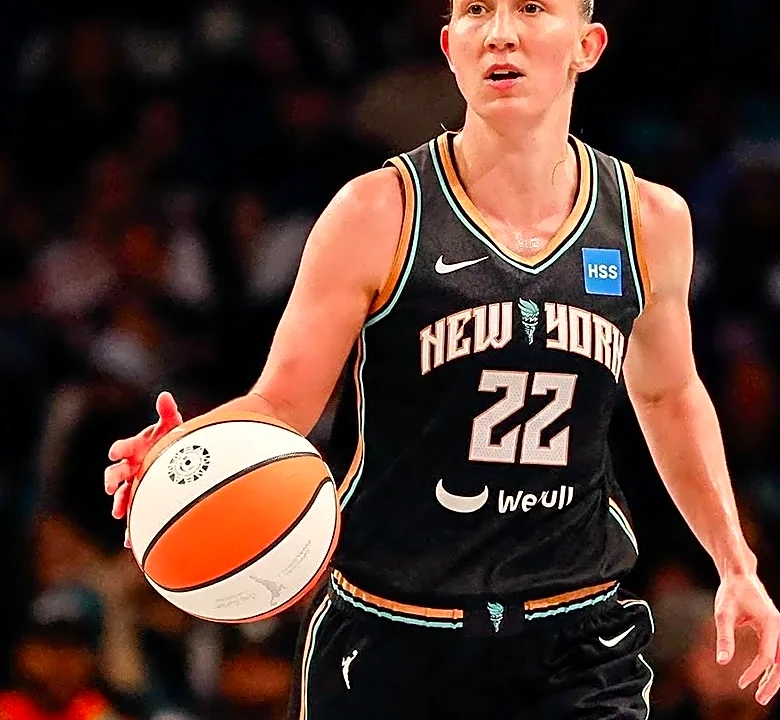
Sophie Cunningham, a prominent WNBA player, has publicly expressed her views on the protection of women's sports from the participation of 'biological men.' In an interview with ESPN, Cunningham clarified her stance, emphasizing that her advocacy is rooted
in love and truth, aiming to safeguard young girls in sports. She faced backlash previously for sharing a tweet about Lia Thomas, a transgender swimmer, which led to accusations of transphobia. Cunningham has reiterated her support for all athletes, regardless of race, religion, or gender identity, while advocating for fair competition. Her comments come in the wake of a U.S. Supreme Court ruling that supports state laws preventing biological males from competing in women's sports.
Why It's Important?
Cunningham's stance highlights ongoing debates about gender identity and fairness in sports. Her advocacy reflects broader societal discussions on the inclusion of transgender athletes in women's sports, which has implications for policy-making and the rights of athletes. The Supreme Court's decision may influence future legislation and sports regulations, affecting athletes, sports organizations, and advocacy groups. Cunningham's position may resonate with conservative audiences and could inspire other athletes to voice their opinions, potentially shaping public discourse and policy on gender and sports.
What's Next?
Following the Supreme Court ruling, there may be increased pressure on sports organizations to review and potentially revise their policies regarding transgender athletes. Advocacy groups on both sides of the issue are likely to intensify their efforts to influence public opinion and policy. Athletes like Cunningham may continue to speak out, potentially leading to more public debates and discussions. The ruling could also prompt legal challenges and legislative actions at state and federal levels, as stakeholders seek clarity and fairness in sports competition.