





What's Happening?
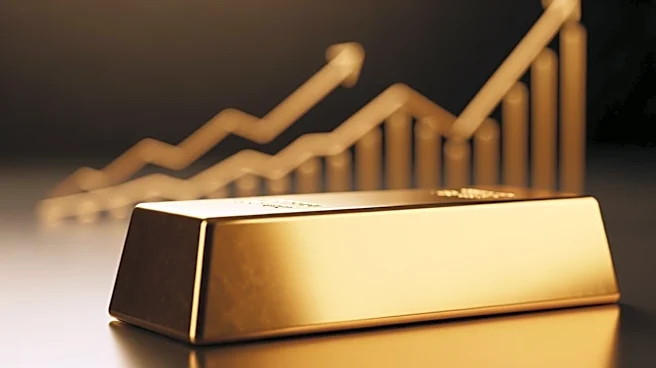
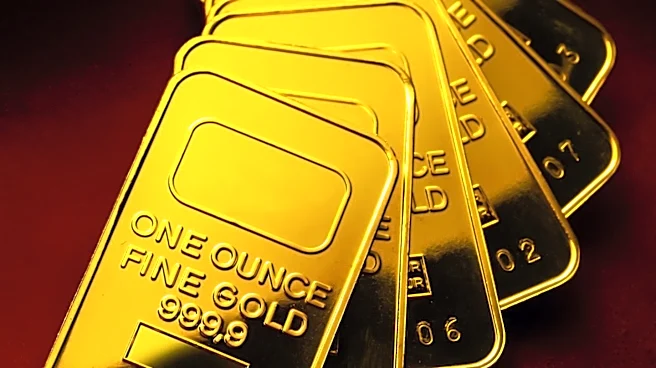
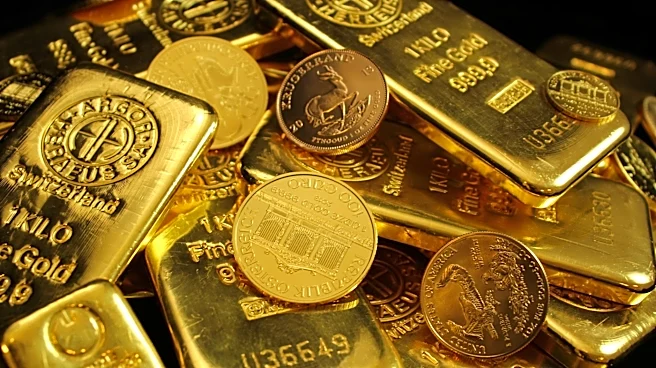
Gold prices are holding steady around $4,000 per ounce following the release of U.S. economic data showing a 4.5% decline in durable goods orders for May. This decline follows a 7.9% increase in April and aligns with economists' expectations. Core durable goods,
excluding the volatile transportation sector, rose by 1.3%, surpassing the forecast of 0.6%. Non-defense capital goods orders, excluding aircraft, also exceeded expectations with a 1.6% increase. Despite the decline in durable goods orders, gold prices have remained relatively stable, trading at $4,001.70 per ounce, reflecting a slight gain on the session.
Why It's Important?
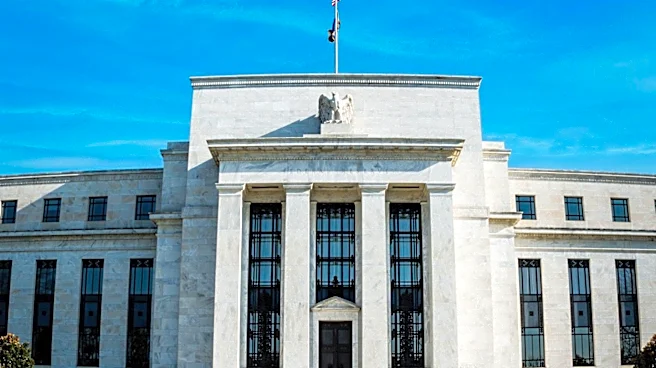
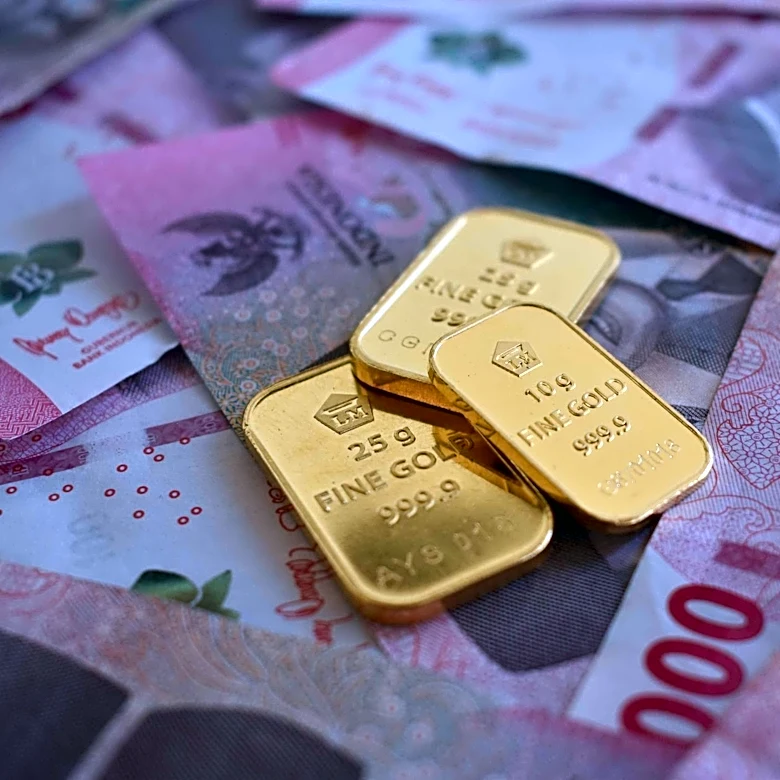
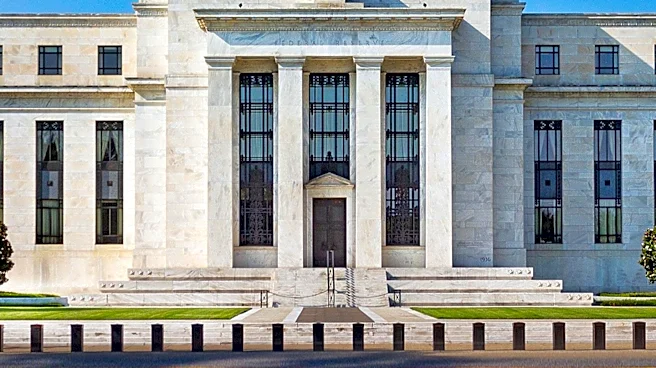
The stability of gold prices amid declining durable goods orders highlights the metal's role as a safe-haven asset in times of economic uncertainty. Durable goods orders are a key indicator of economic health, reflecting consumer and business spending on long-term goods. The decline suggests potential challenges in the U.S. economy, which could influence Federal Reserve policies and investor sentiment. For investors, the performance of gold provides insights into market confidence and economic stability. The data also impacts related industries, such as manufacturing and retail, which rely on durable goods demand.
What's Next?
The future of gold prices will likely depend on further economic data releases and Federal Reserve actions. If economic indicators continue to show weakness, it could prompt the Fed to adjust its policies, potentially impacting gold prices. Investors will be closely monitoring upcoming economic reports and central bank communications for insights into future market trends. Additionally, any major geopolitical or economic events could influence the demand for gold as a safe-haven asset, affecting its price trajectory.