



What's Happening?
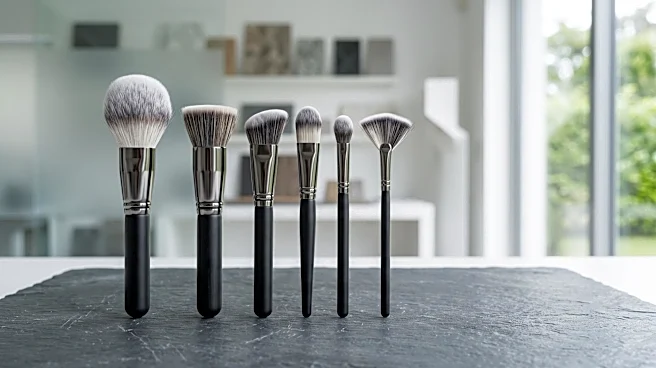
Anisa Beauty, a direct-to-consumer (DTC) makeup brush brand, is winding down its operations after seven years. Anisa Telwar Kaicker, founder and CEO of the parent company Anisa International, announced the closure on Instagram, stating that the brand would
continue selling through the end of the year. The decision was made to allow Anisa International to refocus on its core business of manufacturing and innovation in beauty tools. Anisa Beauty had positioned itself at the higher end of the brush market, with products priced between the high-$20s and nearly $50, emphasizing proprietary design and performance. Despite its DTC focus, the brand joined Amazon Premium Beauty in 2024 due to challenges in acquiring new DTC customers. Anisa International, which has over 400 employees globally and 180 brand partnerships, will continue to operate, with Anisa Beauty representing a small portion of its overall sales. The company plans to concentrate on research and development, exploring new fibers, brush shapes, manufacturing technologies, and beauty application approaches.
Why It's Important?
The closure of Anisa Beauty highlights the significant challenges faced by DTC brands, even those with established parent companies, in a competitive market. The difficulties in customer acquisition, coupled with external factors like tariff increases on goods from China and the influx of inexpensive alternatives on platforms like TikTok and Amazon, underscore the pressures on premium beauty tool brands. This event is important for the U.S. beauty industry as it demonstrates the need for brands to constantly adapt their strategies and focus on core competencies. It also reflects a broader trend where manufacturers, after attempting to move up the value chain with their own consumer brands, sometimes return to their foundational business. The emphasis on innovation in brush technology by Anisa International suggests a future where advanced materials and design will be key differentiators in the beauty tool sector, impacting both professional and consumer markets.
What's Next?
Anisa Beauty will continue selling its products until the end of the year, including a promotional nine-brush set called the 999 Edit. Following this, Anisa International will fully pivot its resources towards its manufacturing and innovation capabilities. This shift is expected to lead to new developments in brush technology, potentially influencing the broader beauty tool market. The company will likely strengthen its partnerships with other beauty brands, leveraging its enhanced R&D to create advanced tools for them. While Anisa International is not entirely exiting the branded brush business, as evidenced by its partnership with Rose and Ben Beauty, its primary focus will be on being a leading manufacturer. This move could set a precedent for other beauty manufacturers to re-evaluate their direct-to-consumer ventures and concentrate on their core strengths in production and innovation.
Beyond the Headlines
The decision by Anisa International to wind down Anisa Beauty reflects a strategic re-evaluation of where investment and innovation can have the greatest impact. This move underscores the often-underestimated complexity and resource intensity required to scale a consumer business, even for a company with a strong manufacturing background. It also brings to light the evolving nature of the beauty industry, where the lines between manufacturers, brands, and retailers are constantly blurring. The challenges faced by Anisa Beauty, such as infrequent replenishment cycles for brushes and intense competition from lower-priced alternatives, point to a need for brands to offer compelling value propositions beyond just product quality. This situation could prompt a broader discussion within the beauty sector about sustainable business models for niche product categories and the long-term viability of purely DTC strategies in an increasingly saturated market.