




What's Happening?
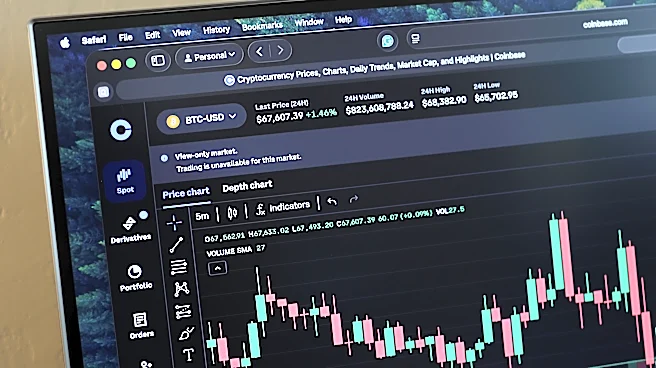
The International Organization of Securities Commissions (IOSCO) has unveiled two new supervisory technology (SupTech) solutions aimed at enhancing oversight in digital-asset markets. These solutions were developed during IOSCO's first SupTech sprint,
which concluded in November 2026. One solution focuses on improving visibility of trading data across various platforms, including exchanges, blockchains, and different jurisdictions. This aims to address the fragmented nature of digital asset trading data, where information is often siloed. The second solution is designed to strengthen how authorities identify and prioritize anti-money laundering (AML) and counter-terrorist financing (CFT) risks within complex digital asset transaction chains. This addresses challenges posed by intricate transaction structures, multiple intermediaries, and the pseudonymous nature of many digital asset activities. The development of these tools was informed by a June 2026 survey, which indicated a significant interest in digital asset SupTech among regulatory authorities, with 35% expressing interest compared to 18% current use.
Why It's Important?
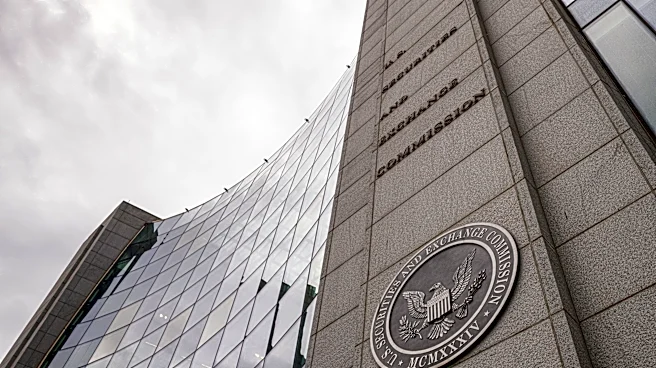
These new SupTech solutions are significant for the U.S. financial landscape as they aim to bolster regulatory capabilities in the rapidly evolving digital asset sector. For U.S. regulators like the Securities and Exchange Commission (SEC) and the Commodity Futures Trading Commission (CFTC), which are members of IOSCO, these tools offer potential frameworks to enhance their oversight of digital asset markets. Improved market surveillance can help detect and prevent illicit activities, thereby protecting U.S. investors and maintaining market integrity. The AML/CFT solution is crucial for mitigating financial crime risks associated with digital assets, aligning with broader U.S. efforts to combat money laundering and terrorist financing. By providing better visibility and risk identification, these solutions could lead to more effective enforcement actions and a more secure digital asset ecosystem, potentially influencing future U.S. regulatory approaches and standards for digital assets.
What's Next?
Following the presentation of these solutions to the IOSCO Board, member jurisdictions, including the U.S., can now evaluate, adapt, or implement these tools. The release expects both solutions to support supervisory work across jurisdictions, suggesting a potential for international collaboration in their deployment. While specific product names, vendors, and code repositories have not been disclosed, the availability of these Board-level artifacts provides a foundation for regulators to enhance their supervisory capabilities. Future steps may involve pilot programs, further development, and integration into existing regulatory frameworks. The U.S. Financial Crimes Enforcement Network (FinCEN), which maintains recordkeeping rules, could potentially leverage aspects of these solutions to strengthen its oversight of digital asset transactions. The broader adoption of these tools could also lead to more harmonized international regulatory practices for digital assets.
Beyond the Headlines
The introduction of these SupTech solutions highlights a growing global recognition of the need for advanced technological tools to regulate digital asset markets effectively. Beyond immediate surveillance and AML/CFT benefits, these developments signal a shift towards more proactive and technologically driven regulatory approaches. The emphasis on cross-jurisdictional visibility and risk identification addresses fundamental challenges in regulating a borderless digital economy. This could lead to long-term shifts in how financial authorities collaborate internationally, potentially fostering greater data sharing and coordinated enforcement efforts. Ethically, these tools aim to balance innovation in digital assets with the imperative of investor protection and financial stability, raising questions about data privacy and the scope of regulatory oversight in decentralized systems. The success and adoption of these solutions could set precedents for future regulatory technology in other complex financial sectors.