



What's Happening?
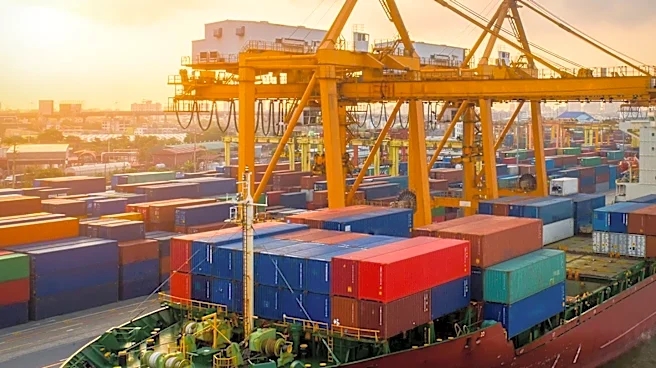
The U.S. government has refunded approximately $100 billion to American businesses following a Supreme Court ruling that deemed certain tariffs unauthorized. Major companies such as Apple, Amazon, Walmart, Ford, and General Motors are among those receiving
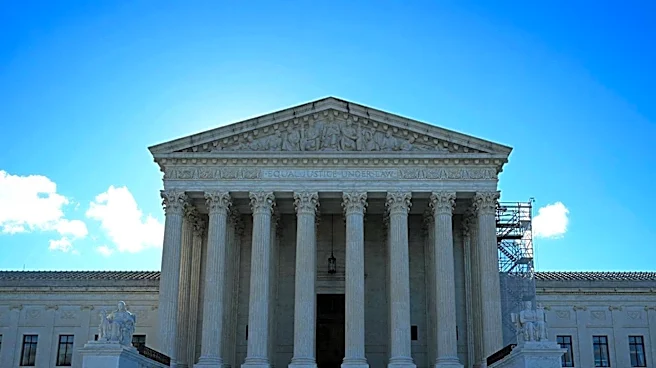
significant refunds. The refunds stem from tariffs imposed under the 1977 International Emergency Economic Powers Act (IEEPA), which were intended to protect American manufacturing jobs. However, the Supreme Court ruled that the tariffs were not legally authorized, leading to the refund of more than half of the $166 billion collected. While businesses benefit from these refunds, individual consumers who paid higher prices due to these tariffs do not have a direct claim to the refunded money.
Why It's Important?
The refund of $100 billion to businesses highlights the significant impact of trade policies on corporate earnings and the broader economy. Companies like Apple and Amazon have reported substantial financial benefits from these refunds, which can influence their market performance and investment strategies. However, the lack of direct consumer refunds raises questions about the fairness of the refund process, as consumers bore the brunt of higher prices without compensation. This situation underscores the complexities of trade policy and its uneven effects on different economic stakeholders.
What's Next?
The Supreme Court's ruling has set a precedent that may influence future trade policies and legal challenges. The administration has already implemented new tariffs under different statutes, which are also facing legal scrutiny. As these cases progress, businesses and consumers alike will be watching closely to see how trade policies evolve and what further economic impacts may arise. Additionally, companies may face pressure to pass on some of the financial benefits of the refunds to consumers, either through price reductions or other means.
Beyond the Headlines
The legal and ethical implications of the tariff refunds highlight the challenges in balancing corporate interests with consumer rights. The distinction between who is eligible for refunds and who ultimately pays the price at the checkout counter raises questions about the accountability and transparency of trade policies. This situation may prompt calls for reform in how trade-related financial benefits are distributed, potentially leading to changes in legislation or regulatory practices.