




What's Happening?
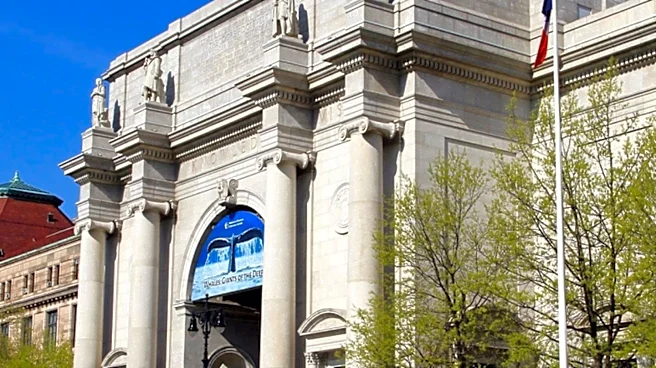
The Natural History Museum in Los Angeles recently hosted a sound bath event in its North American Mammal Hall as part of its new 'Mindfulness Mornings at the Museum' series. Led by Avery Whitmore, founder of Oso Sound Healing Studio, the event immersed
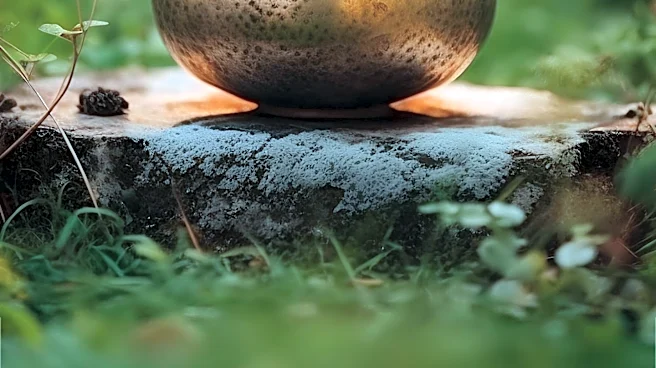
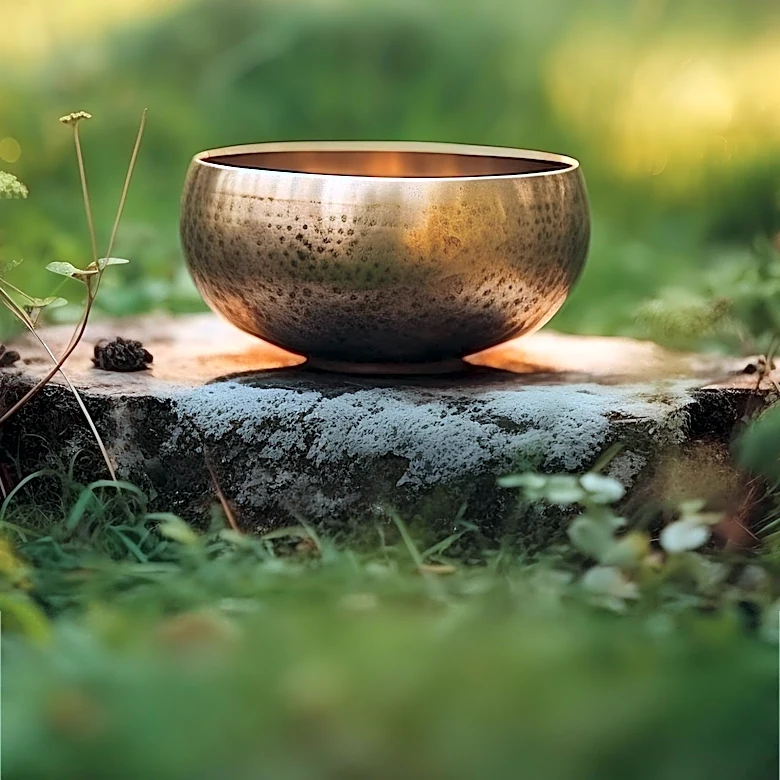
participants in meditative practices using instruments like gongs, crystal bowls, and rain sticks, surrounded by taxidermy dioramas. This unconventional setting aimed to foster a deeper connection to animals and encourage introspection. The sound bath was the first of two events in the series, with a yoga session scheduled to follow. Museum organizers, including Joel Quizon, manager of public programs, are exploring options for future wellness events due to the success and high demand for these unique experiences. The museum has previously held successful sound baths during its 'First Fridays' series, indicating a strong public interest in combining mindfulness with the museum environment.
Why It's Important?
This initiative by the Natural History Museum signifies a growing trend in cultural institutions to 'activate' their spaces in novel ways, moving beyond traditional exhibits to offer immersive, experiential programs. By integrating sound healing within a museum setting, it broadens the appeal of both mindfulness practices and museum visits, potentially attracting new demographics who might not typically engage with either. For the wellness industry, it highlights the increasing mainstream acceptance and innovative applications of practices like sound baths. For museums, it presents a model for enhancing visitor engagement and generating revenue through unique programming, especially during off-peak hours. The success of these events suggests a public desire for experiences that combine education, culture, and well-being, offering a new pathway for institutions to remain relevant and impactful in a competitive leisure market.
What's Next?
Following the successful sound bath, the Natural History Museum plans to host a yoga session led by SoulPlay Yoga on September 13 as part of its 'Mindfulness Mornings' series. Joel Quizon, the manager of public programs, indicated that the museum hopes to organize more such events in the future, building on the positive reception and high attendance. The museum will likely evaluate the overall success of this series to determine the frequency and variety of future wellness programs. Other cultural institutions may observe this model to explore similar initiatives, potentially leading to a broader trend of integrating mindfulness and wellness activities into non-traditional venues. The continued demand for these unique experiences could also spur collaborations between wellness practitioners and cultural organizations, expanding the reach and accessibility of both.
Beyond the Headlines
The integration of sound baths with taxidermy exhibits at the Natural History Museum touches upon deeper themes of human connection to nature, history, and self. The unconventional pairing encourages participants to engage with the preserved animal forms in a meditative context, potentially fostering a sense of reverence for wildlife and a reflection on ecological themes. This approach subtly challenges traditional museum viewing, transforming passive observation into an active, introspective experience. It also highlights the evolving role of museums as spaces for contemplation and personal growth, not just education. The 'childlike energy' and 'deeper connection to animals' described by Avery Whitmore suggest a return to primal forms of engagement, using sound to bridge the gap between the present moment and the historical presence of these creatures, inviting a unique form of spiritual and emotional resonance.