





What's Happening?
The current earnings season is facing a critical test as major retailers, including Walmart and Target, are set to release their financial results this week. While over 91% of S&P 500 companies have already reported second-quarter earnings, with 84% exceeding
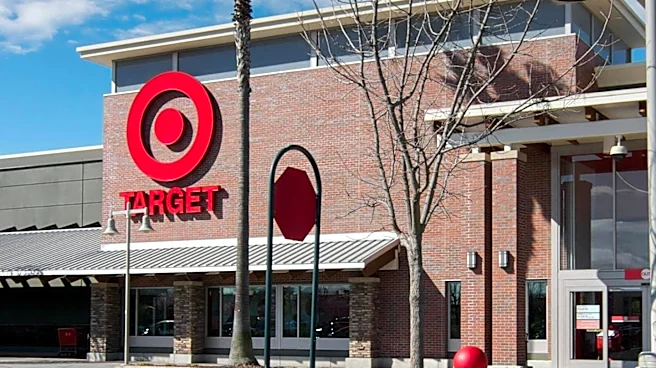
expectations, concerns persist regarding the 'K-shaped economy.' This economic trend indicates that high-income households continue to perform well, while lower-income families struggle. Recent data from the Commerce Department showed a decline in retail sales in July, marking the first drop in nine months. Analysts are closely watching Walmart, which is expected to report earnings of 74 cents per share on revenue of $186.62 billion, and Target, with anticipated EPS of $2.35 and revenue of $26.15 billion. The performance of these retail giants will provide significant insights into the overall health of consumer spending and the broader economic outlook.
Why It's Important?
The upcoming earnings reports from Walmart and Target are crucial indicators for the U.S. economy, particularly concerning consumer resilience and spending patterns. As two of the largest retailers, their performance reflects the purchasing power and confidence of a vast segment of the American population. A strong showing could signal continued economic stability, while weaker results might confirm fears of a slowdown, especially among lower-income consumers. The 'K-shaped economy' narrative suggests that economic recovery is uneven, and these reports will help clarify how this disparity is impacting different retail segments. For investors, these results will influence market sentiment and potentially guide investment strategies in the retail sector. Furthermore, the reports will offer insights into the effectiveness of retailers' strategies in managing inflation, supply chain issues, and evolving consumer preferences, impacting their stock performance and future outlook.
What's Next?
Following the earnings reports from Walmart and Target, analysts will scrutinize the details for signs of consumer behavior shifts, inventory management effectiveness, and the impact of promotional activities. The guidance provided by these companies for the upcoming quarters will be particularly important, as it will offer a forward-looking perspective on their expectations for holiday sales and overall economic conditions. Reactions from major stakeholders, including investors, other retailers, and economic policymakers, will be swift. Positive results could boost market confidence, while negative outcomes might lead to increased caution and potential adjustments in economic forecasts. The performance of these retail giants will also influence the strategies of smaller retailers, who often look to industry leaders for trends and insights into consumer demand. The focus will remain on how retailers adapt to the ongoing economic challenges and consumer spending dynamics.
Beyond the Headlines
Beyond the immediate financial figures, the earnings reports from Walmart and Target will shed light on deeper societal and economic trends. The 'K-shaped economy' highlights growing income inequality, and the performance of these retailers, particularly their sales to different income demographics, can serve as a barometer for this issue. If lower-income consumers are indeed struggling, it could prompt discussions about social safety nets, wage growth, and economic policies aimed at broader prosperity. The reports may also reveal shifts in consumer values, such as a greater emphasis on value and essential goods over discretionary spending, which could have long-term implications for product development and marketing strategies across various industries. The ability of these retailers to navigate these complex socio-economic factors will be a key determinant of their sustained success and their role in shaping the future of American commerce.