

What's Happening?
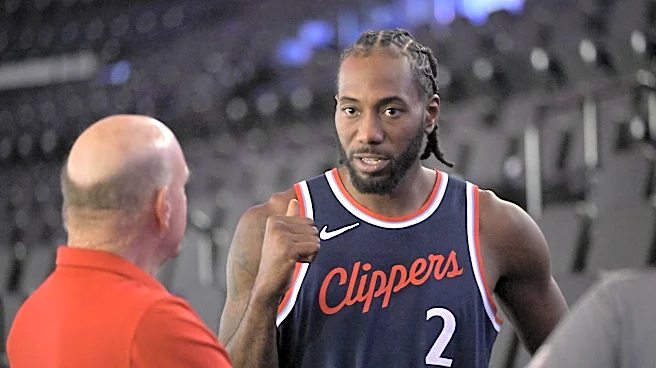
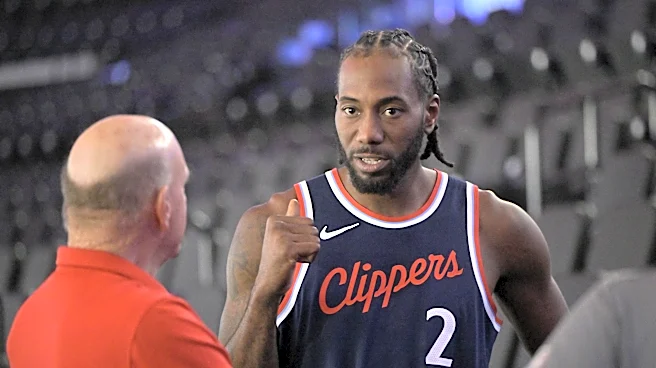
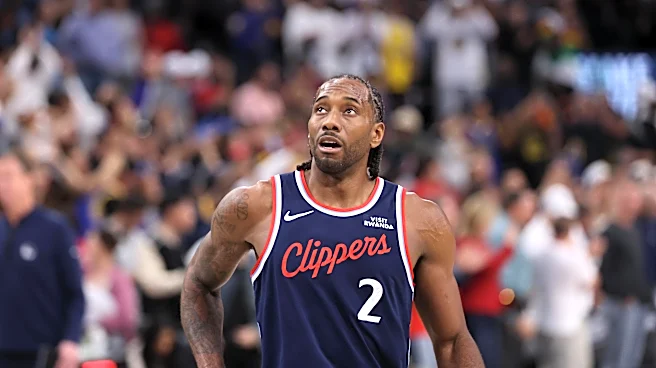
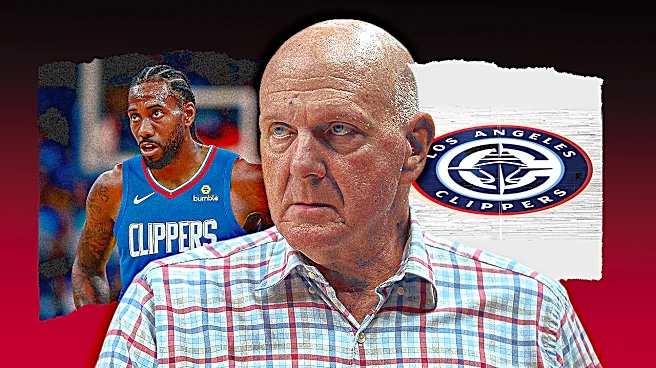
The National Basketball Association (NBA) has concluded a nearly year-long investigation into the LA Clippers and player Kawhi Leonard, imposing significant penalties for violations of salary cap circumvention rules. The investigation found multiple significant rules violations by
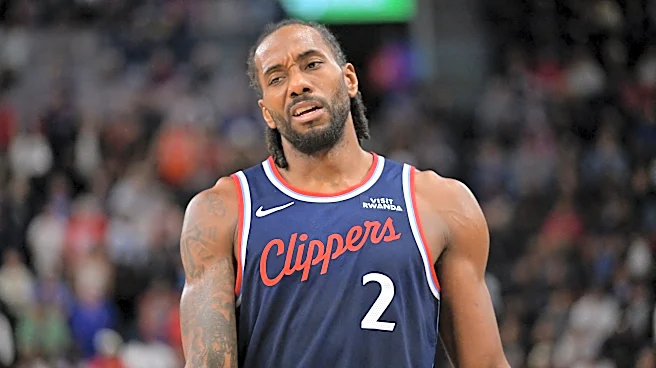
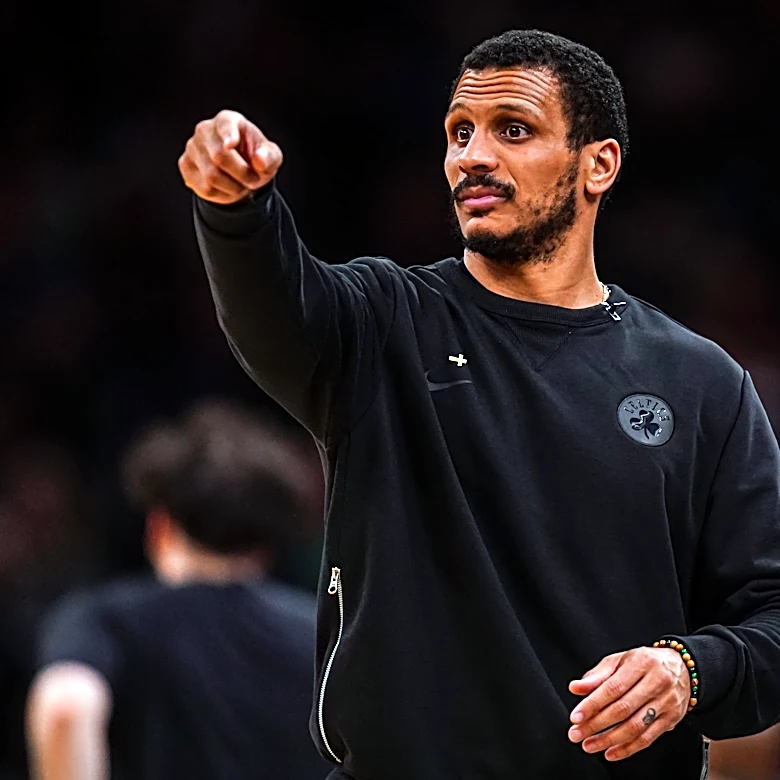
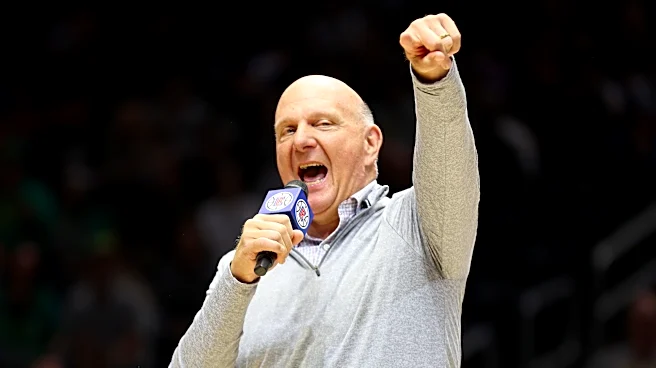
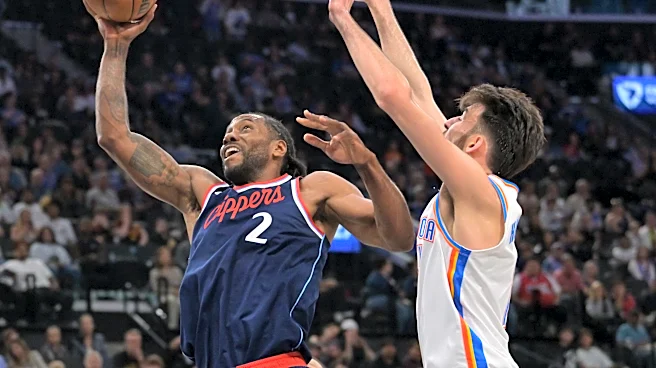
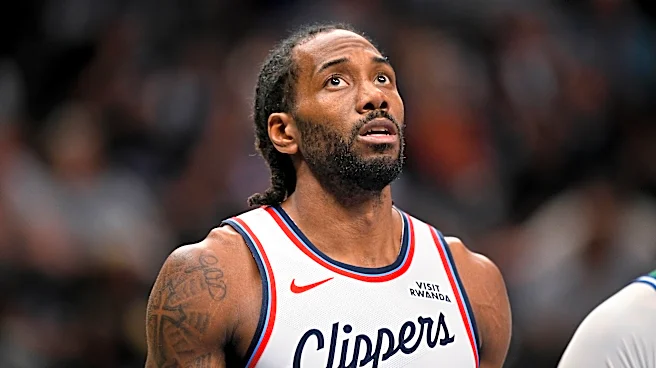
the Clippers organization related to Leonard's contract extension in 2021. As a result, Clippers owner Steve Ballmer has been suspended for one year and the team fined $30 million. Additionally, the Clippers must forfeit five first-round draft picks (2029, 2030, 2031, 2032, and 2033). President of basketball operations Lawrence Frank received a six-month ban without pay, and team president of business operations Gillian Zucker was suspended for one year. Kawhi Leonard himself was penalized $700,000 for his involvement, specifically for pressuring the Clippers to secure off-court income opportunities and failing to reimburse personal expenses paid by the team.
Why It's Important?
This ruling underscores the NBA's commitment to maintaining the integrity of its salary cap rules, which are crucial for competitive balance across the league. The substantial penalties, particularly the forfeiture of multiple first-round draft picks and the suspension of key personnel, send a strong message to other franchises about the severe consequences of circumventing league regulations. For the Clippers, these sanctions will significantly impact their ability to build and sustain a competitive roster for the foreseeable future, as draft picks are vital assets for acquiring young talent. The financial penalty, while large, is less impactful for an owner of Ballmer's wealth, but the loss of draft capital and the suspensions of top executives will undoubtedly hinder the team's strategic planning and operations. This case also highlights the complexities and potential pitfalls of player endorsement deals and their intersection with league rules.
What's Next?
The LA Clippers have vehemently rejected the NBA's findings, stating they believe the investigation was biased and that they intend to vigorously challenge the penalties through all available avenues, including an ethical and impartial arbitration process. Kawhi Leonard's trade to the Toronto Raptors, which was on hold pending the investigation's outcome, is now expected to proceed, with Leonard expressing eagerness to return to his former team. The Clippers will need to navigate the upcoming seasons without the benefit of several first-round draft picks, forcing them to rely more heavily on free agency, trades, and player development. The league will likely monitor the Clippers' compliance closely, and this case may lead to a review or reinforcement of existing rules regarding player endorsements and team-player financial relationships to prevent similar circumventions in the future.
Beyond the Headlines
This case delves into the ethical and governance challenges within professional sports organizations. The revelation that a finance team member discussed potentially illegitimate payments on a podcast, albeit disguised, suggests internal awareness of questionable practices and raises questions about corporate governance and whistleblower protections within the organization. The NBA's investigation and subsequent penalties serve as a stark reminder that even high-profile individuals and wealthy owners are subject to league rules, emphasizing the importance of ethical conduct and robust internal controls. The perceived leniency of the $30 million fine for an owner with a net worth of $153 billion also sparks debate about the effectiveness of financial penalties as a deterrent for the ultra-wealthy, shifting focus to the more impactful loss of future draft assets and operational leadership. This incident could prompt broader discussions about accountability and transparency in sports management.