







What's Happening?
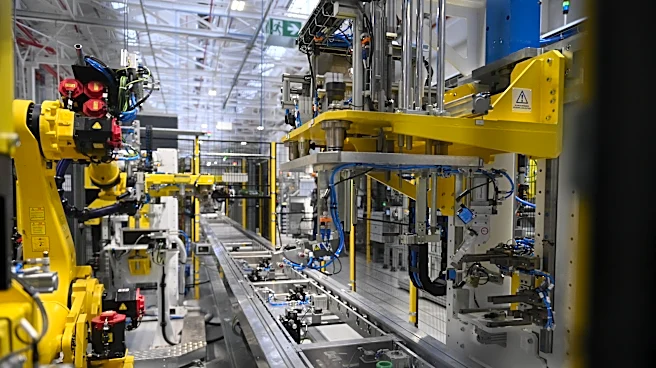
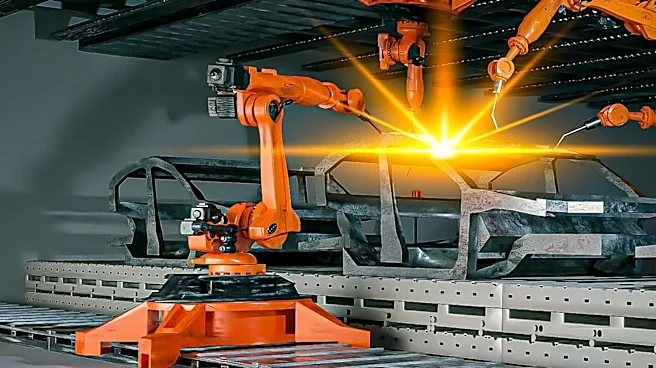
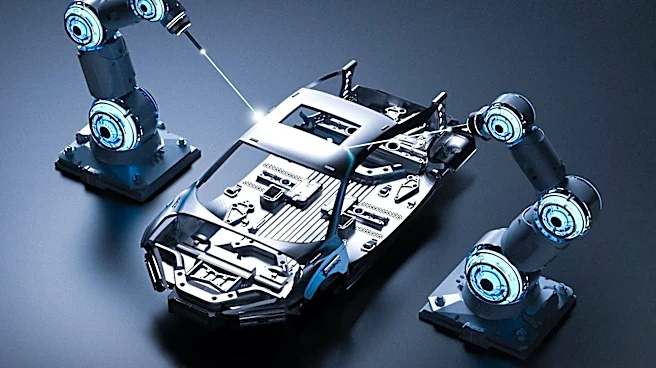
Clobot, a company specializing in automation technologies, has announced a significant contract with A-Tech Gyeongju valued at 970 million won. The project involves the development of a comprehensive manufacturing process automation system. This system will
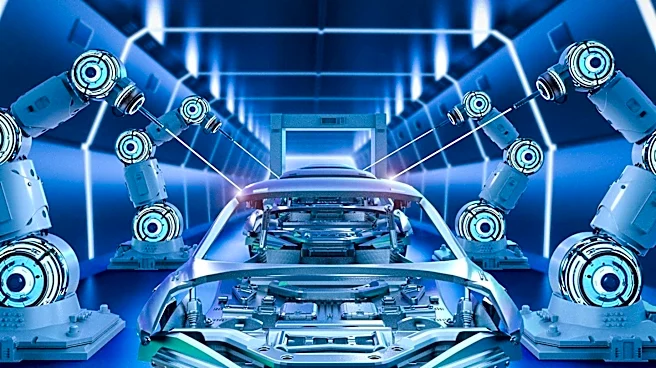
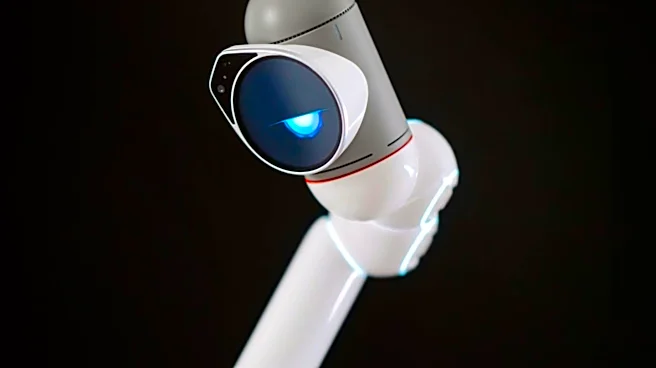
integrate various post-injection molding processes such as product alignment, machining, and inspection into a single automated framework. Additionally, the project will automate pallet logistics using autonomous mobile robots (AMRs). Clobot plans to implement its Heterogeneous Robot Integration Management Solution (CROMS) and Chameleon autonomous navigation solution to optimize the production environment. A-Tech Gyeongju, known for manufacturing plastic injection-molded products for automotive components, anticipates that this automation system will enhance productivity and product quality, particularly in its electric vehicle (EV) busbar injection molding operations.
Why It's Important?
This contract marks a significant step in the advancement of manufacturing automation, highlighting the growing trend towards integrating sophisticated robotics and automation solutions in industrial settings. For A-Tech Gyeongju, the implementation of Clobot's technologies is expected to improve efficiency and quality in its production processes, which is crucial for maintaining competitiveness in the automotive component industry. The collaboration also underscores the increasing importance of automation in the electric vehicle sector, where precision and efficiency are paramount. For Clobot, this project represents an opportunity to showcase its advanced automation solutions and expand its presence in the manufacturing automation market, potentially leading to further business opportunities and collaborations.
What's Next?
As Clobot begins the implementation of the automation system, both companies will likely focus on ensuring a smooth integration of the new technologies into A-Tech Gyeongju's existing operations. The success of this project could set a precedent for future collaborations between technology providers and manufacturers, particularly in the automotive and electric vehicle sectors. Stakeholders in the manufacturing industry will be watching closely to assess the impact of such automation solutions on productivity and quality, which could influence broader adoption of similar technologies across the industry.