
What's Happening?
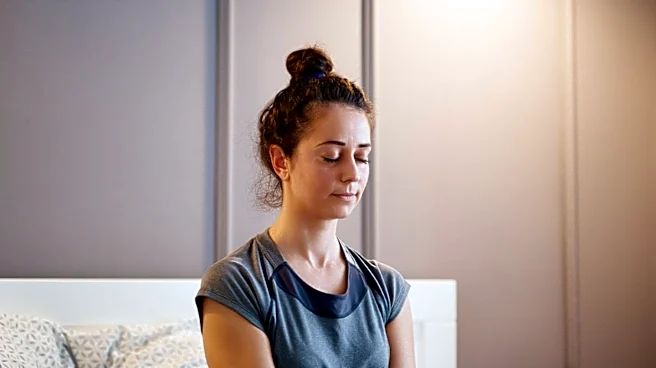
Healing sound bath sessions are being offered as a beginner-friendly method to reduce stress, anxiety, and tension while supporting mood and well-being. These 45-60 minute sessions invite participants
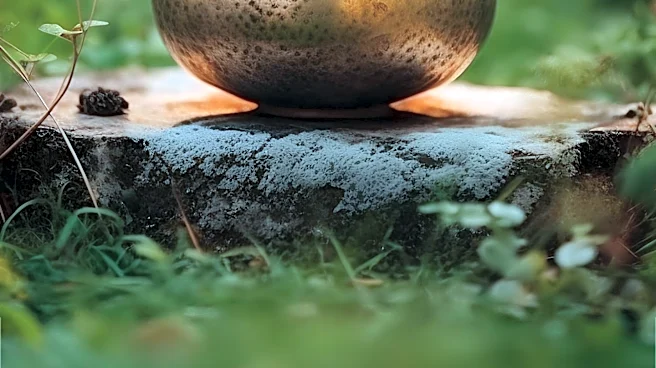
to relax and listen to soothing sounds, without requiring any prior meditation experience or the ability to 'quiet the mind.' Early research on singing bowl meditation, a component of sound baths, suggests its effectiveness in promoting relaxation and improving mood. Participants are encouraged to wear comfortable clothing and can bring blankets or pillows for added comfort, emphasizing a welcoming and low-pressure environment for anyone seeking a gentle pause in their day.
Why It's Important?
The availability of accessible and beginner-friendly sound bath sessions is important for addressing widespread issues of stress and anxiety in the general population. By removing the intimidation factor often associated with meditation, these sessions can attract individuals who might otherwise be hesitant to explore mindfulness practices. The focus on passive listening and comfort makes it an inclusive option for various age groups and backgrounds. As mental health concerns continue to rise, offering non-pharmacological and easily adoptable methods for relaxation can significantly contribute to public well-being. The potential for reduced stress and improved mood can lead to better overall health outcomes, increased productivity, and enhanced quality of life for participants.
What's Next?
As early research continues to support the benefits of sound baths, there is potential for these sessions to become more widely integrated into community wellness programs, corporate stress management initiatives, and even healthcare settings. The emphasis on accessibility and ease of participation suggests that sound baths could become a popular tool for self-care. Future developments might include more structured programs, advanced research into specific sound frequencies and their effects, and the training of more practitioners to meet growing demand. The continued promotion of such gentle, restorative practices could contribute to a broader cultural acceptance of holistic approaches to mental and emotional health.
Beyond the Headlines
The rise of sound bath popularity reflects a deeper societal yearning for stillness and respite from the constant demands of modern life. In a world saturated with information and external stimuli, practices that encourage passive reception and internal focus offer a valuable counterpoint. The 'nothing to achieve' and 'no pressure to do it perfectly' ethos of these sessions challenges the performance-driven mindset prevalent in many aspects of contemporary culture. This approach fosters a sense of self-compassion and acceptance, which are foundational for genuine well-being. The use of ancient instruments like singing bowls also connects participants to a timeless tradition of healing through sound, suggesting a re-evaluation of indigenous and traditional knowledge systems in the pursuit of holistic health.