


What's Happening?
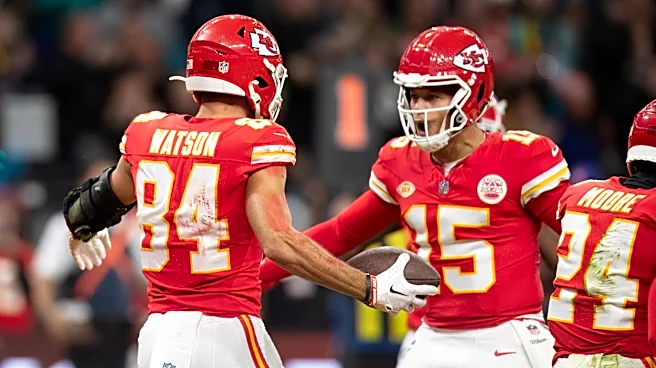
Randi Mahomes, mother of Kansas City Chiefs quarterback Patrick Mahomes, has publicly refuted claims that her son owns a home at the Lake of the Ozarks. These rumors have circulated widely across social media platforms including Reddit, Facebook, YouTube,
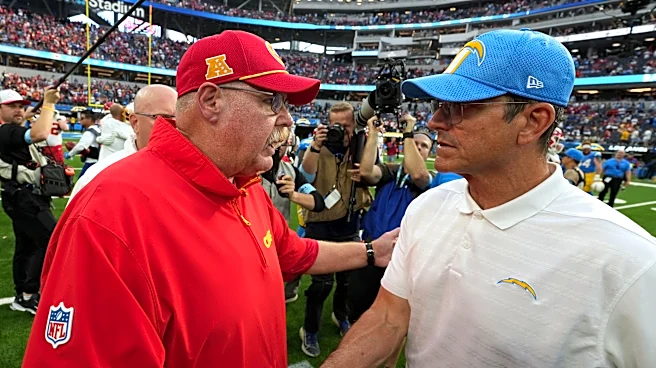
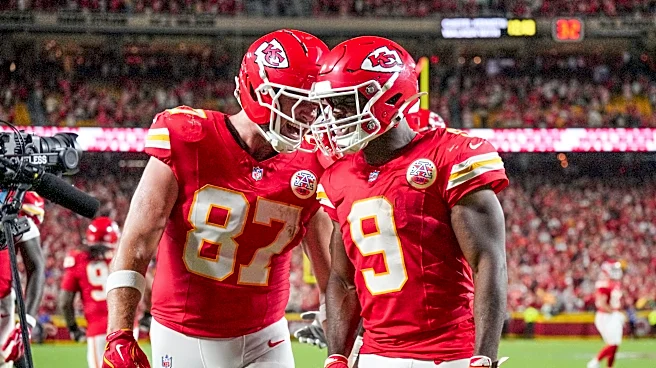
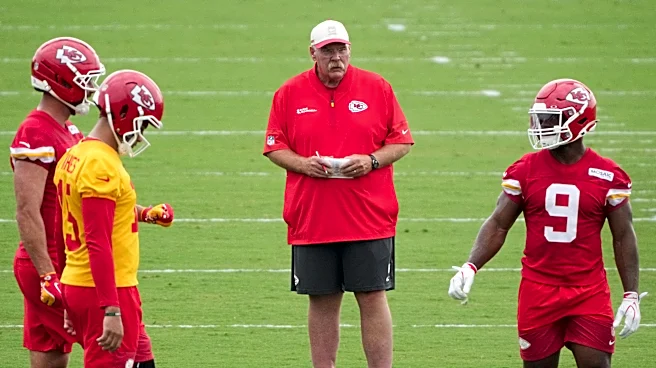
and Instagram. A recent Instagram post, which initially claimed 'Sources claim this is Mahomes lakehouse,' was later updated by the poster to state, 'Sources are incorrect.' Randi Mahomes directly addressed the speculation in the comments section of this post, writing, 'I wish, i love the lake,' thereby unequivocally denying the reports. This incident follows a pattern of misinformation targeting prominent sports figures, including a previous AI-generated story about Chiefs tight end Travis Kelce purchasing a $3.3 million home to aid homeless youth, which Kelce himself had to debunk on ESPN's 'Pat McAfee Show.' Other false stories have involved Chiefs coach Andy Reid's retirement and Patrick Mahomes' alleged divorce.
Why It's Important?
The prevalence of false information and AI-generated content on social media platforms poses a significant challenge to public figures and the media landscape. This incident highlights how quickly unverified claims can spread and gain traction, even leading to direct responses from the individuals involved or their families. For athletes like Patrick Mahomes, such rumors can be a distraction and potentially impact their public image or personal privacy. The need for public figures to actively debunk misinformation underscores the erosion of trust in online sources and the difficulty in discerning fact from fiction. This trend also affects media outlets, as they must navigate a landscape where sensational but false stories can overshadow legitimate news, potentially leading to a greater emphasis on source verification and direct communication from public figures to clarify facts. The incident also serves as a reminder for consumers of information to critically evaluate sources, especially on social media.
What's Next?
It is likely that public figures, particularly those in high-profile sports, will continue to face challenges from the spread of misinformation and AI-generated content. This may lead to more proactive measures from athletes and their teams to address and debunk false narratives quickly. Social media platforms may also face increased pressure to implement more robust mechanisms for identifying and flagging AI-generated or unverified content to curb its spread. For fans and the general public, the incident reinforces the importance of skepticism towards unconfirmed reports, especially those lacking credible sources. We may see a continued trend of direct communication from athletes or their representatives to clarify facts, bypassing traditional media channels to control their narratives in the face of rampant online speculation.
Beyond the Headlines
This event touches upon the broader societal issue of digital literacy and the impact of artificial intelligence on information dissemination. The ease with which AI can generate convincing but false narratives, combined with the rapid sharing capabilities of social media, creates an environment where truth can be easily obscured. The need for Randi Mahomes to personally intervene highlights a breakdown in traditional information gatekeeping and the increasing burden on individuals to manage their own public perception in the digital age. This phenomenon extends beyond sports, affecting politics, business, and personal lives, raising ethical questions about the responsibility of technology companies and the critical thinking skills required of individuals. The incident serves as a microcosm of the larger struggle to maintain factual integrity in an era dominated by digital content and algorithmic amplification.