




What's Happening?
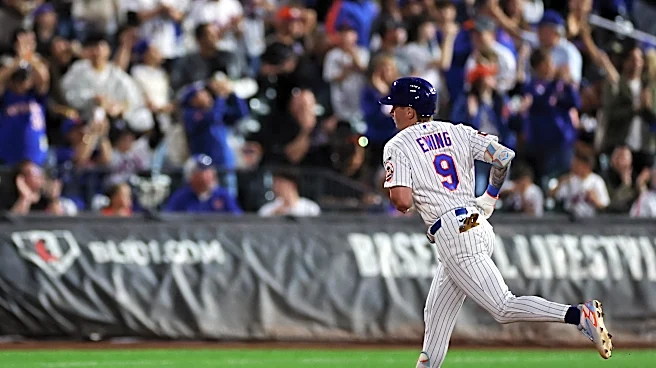
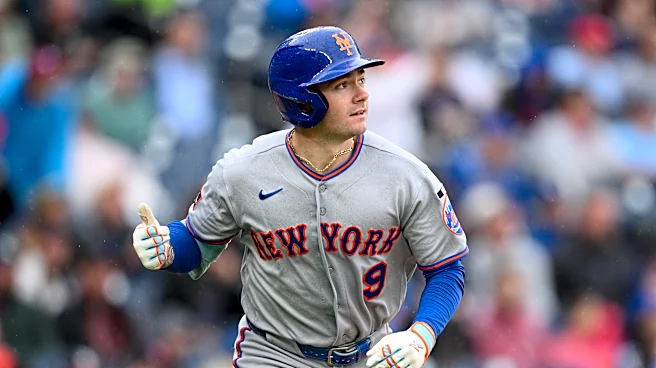
The New York Mets have reportedly agreed to an eight-year, $95 million contract extension with A.J. Ewing. This long-term deal is highlighted as a significant move for the team during the offseason. While rumors have circulated regarding the Mets' interest
in other players like Tarik Skubal, the organization has prioritized securing Ewing, indicating a strategic focus on retaining key talent. This extension comes amidst other reported MLB activities, including the San Francisco Giants listening to offers for Logan Webb and an analysis of the Royce Lewis/Bobby Miller trade by Keith Law.
Why It's Important?
This contract extension for A.J. Ewing is important for the New York Mets as it solidifies a key player's presence on the team for nearly a decade. Such long-term commitments can provide stability and a foundation for future team building, potentially influencing the team's performance and competitive standing in Major League Baseball. For the player, a substantial contract like this offers financial security and recognition of their value to the franchise. From a broader MLB perspective, significant contract signings like Ewing's contribute to the overall financial landscape of the sport, setting benchmarks for player valuations and impacting team payrolls and salary cap strategies. This move could also signal the Mets' intent to be a major contender in upcoming seasons, reassuring fans and potentially attracting other talent.
What's Next?
Following the agreement with A.J. Ewing, the New York Mets will likely continue to assess their roster and explore further opportunities in the offseason. The team's focus may shift to other potential acquisitions or trades to complement their secured talent. The long-term nature of Ewing's contract means the team will integrate him into their future plans, impacting draft strategies, player development, and overall team composition for the coming years. Other MLB teams will observe the Mets' moves, potentially influencing their own strategies for player retention and acquisition as the offseason progresses.
Beyond the Headlines
The signing of A.J. Ewing to a substantial eight-year contract reflects a broader trend in professional sports where franchises are increasingly willing to invest heavily in perceived cornerstone players. This strategy aims to build a stable and competitive team core, but it also carries financial risks and long-term implications for team flexibility. The emphasis on securing existing talent, rather than solely pursuing new free agents, suggests a strategic shift towards internal development and retention. This approach can foster team chemistry and continuity, which are often cited as crucial for sustained success in highly competitive leagues like MLB. The deal also highlights the economic pressures and valuations within professional baseball, where player contracts can reach significant figures, impacting the financial health and strategic decisions of franchises.