





What's Happening?
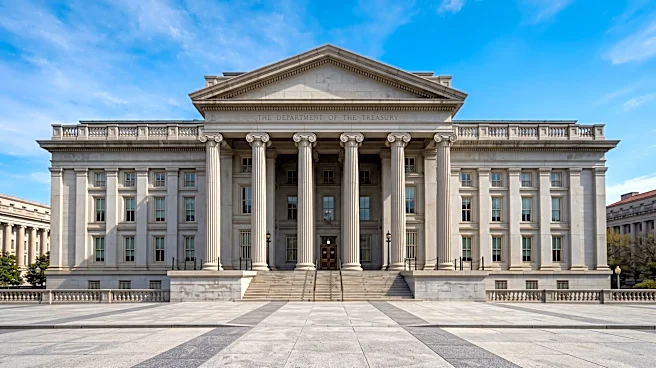
U.S. Treasury Secretary Scott Bessent and U.S. Trade Representative Jamieson Greer held a videoconference with Chinese Vice Premier He Lifeng, pressing China to immediately and fully implement its commitments under the Busan trade deal. Secretary Bessent emphasized
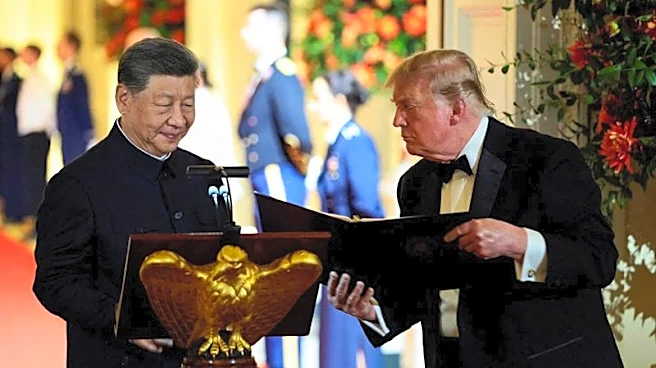
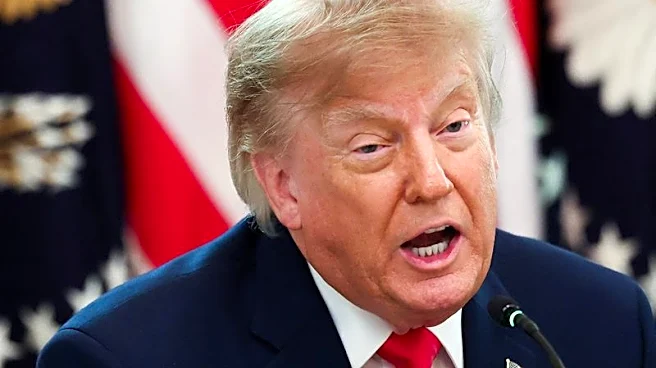
the importance of concrete results and expressed concerns about recent Chinese actions. USTR Greer specifically highlighted the need for China to fulfill its pledges regarding agricultural purchases, rare earths, and other critical minerals. U.S. officials indicate that China is currently only fulfilling about two-thirds of its rare-earth commitments. The Busan arrangement, struck between President Trump and Chinese President Xi Jinping in October 2025, included China's agreement to suspend expansive rare-earth export controls and issue general licenses for various critical minerals. While China's published suspension of these controls is set to expire on November 10, 2026, the broader truce between the U.S. and China has been extended to January 10, 2027.
Why It's Important?
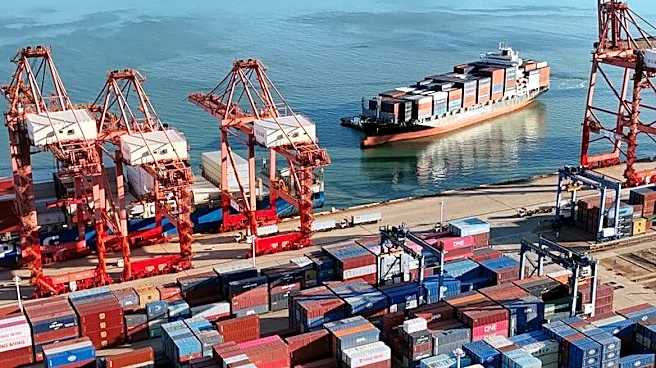
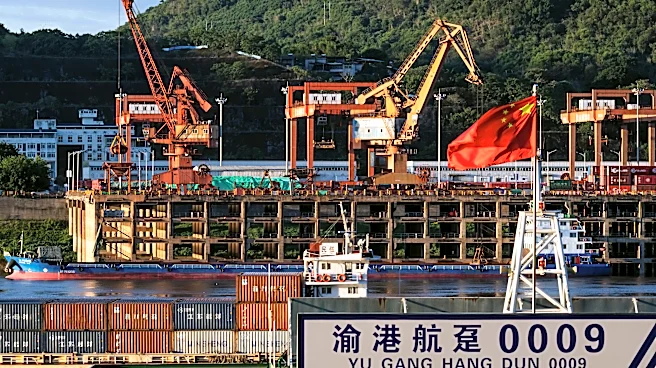
The U.S. demand for China to adhere to the Busan trade commitments is crucial for several reasons. A failure by China to fully implement these agreements could disrupt global supply chains, particularly for critical minerals like rare earths, which are essential for various high-tech and defense industries in the U.S. and its allies. Shortfalls in agricultural purchases also impact American farmers and the U.S. agricultural sector. The ongoing dispute highlights the fragility of trade relations between the two economic superpowers and could lead to renewed trade tensions or retaliatory measures. The U.S. is actively working to build domestic supply chains for critical minerals, but immediate compliance from China is vital to prevent market instability and ensure access to these essential materials. The situation also tests the effectiveness of trade agreements and the willingness of major economic players to uphold their international commitments.
What's Next?
The immediate focus will be on China's response to the U.S. demands, especially as the published suspension of its rare-earth export controls is set to expire on November 10, 2026. President Trump and President Xi are expected to attend APEC in Shenzhen on November 18-19, where trade issues may be discussed, though not as a primary focus. A more detailed discussion is anticipated at the G20 summit in Miami in December. Secretary Bessent and USTR Greer are also expected to meet their Chinese counterparts in person between APEC and the G20. The U.S. will closely monitor China's actions regarding agricultural purchases and critical mineral exports. A potential deal at the G20 could redefine the terms of implementation or extend the timeline for resolving these trade differences into 2027. Meanwhile, the U.S. continues to invest in its domestic supply of strategic materials, with the Defense Logistics Agency committing $2 billion in fiscal year 2026 to acquire materials for the National Defense Stockpile.
Beyond the Headlines
The ongoing trade friction over critical minerals like rare earths underscores a broader geopolitical competition for technological dominance and national security. China's control over a significant portion of the global rare-earth supply gives it considerable leverage, which it has demonstrated through export controls. This situation compels the U.S. to accelerate its efforts in developing resilient domestic supply chains and diversifying its sources for these essential materials, reducing its reliance on any single country. The emphasis on 'concrete results' by U.S. officials signals a shift towards outcome-based diplomacy rather than just agreements. Furthermore, the dispute highlights the complex interplay between economic policy, national security, and international relations, where trade commitments can become strategic tools. The long-term implications could include a more fragmented global supply chain for critical minerals and increased investment in resource extraction and processing in allied nations.