

What's Happening?
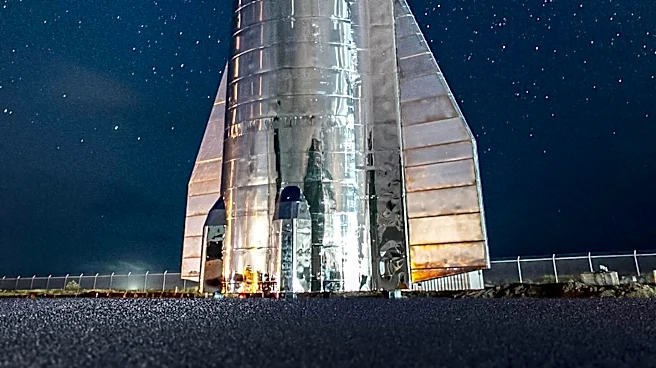
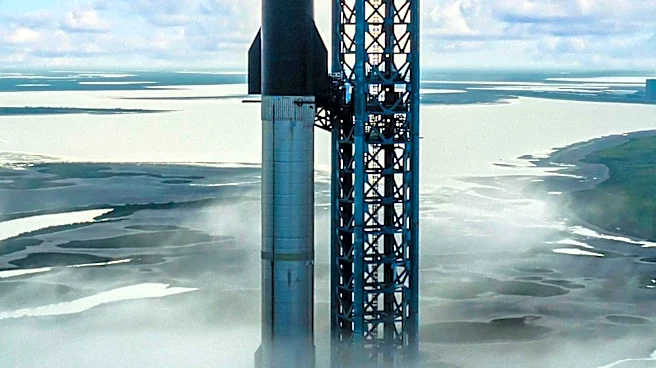
SpaceX is actively recruiting a New Graduate Propulsion Engineer for its Raptor engine team, a critical component of the Starship program. This role focuses on the design, development, and optimization of next-generation rocket engines, test stands, and production
lines. Responsibilities include performing hand calculations and Finite Element Analysis (FEA), iterating on manufacturing processes, and collaborating with interdisciplinary teams to ensure hardware integration. The position emphasizes rapid decision-making, hands-on hardware development, and the ability to support mission operations in a fast-paced aerospace environment. Candidates are expected to have a Bachelor's degree in an engineering discipline or physics and at least one year of mechanical and/or fluids engineering experience through projects, research, internships, or professional work. The company is particularly interested in individuals graduating in the spring, summer, or fall of 2026.
Why It's Important?
This recruitment drive is significant for the U.S. aerospace industry as it directly supports SpaceX's ambitious goal of making humanity multiplanetary, with a primary focus on enabling human life on Mars. The Raptor engine is central to the Starship program, which aims to revolutionize space travel by developing fully reusable rockets. The successful development and production of these engines are crucial for advancing U.S. capabilities in space exploration, satellite deployment, and potential future lunar and Martian missions. Investing in new engineering talent ensures a continuous pipeline of innovation and expertise, maintaining the U.S.'s competitive edge in the global space race. The role also highlights the demand for highly skilled engineers in advanced manufacturing and propulsion technologies, contributing to job growth and technological advancements within the country.
What's Next?
SpaceX will continue to evaluate candidates for the New Graduate Propulsion Engineer position, aiming to integrate new talent into its Raptor engine development team. Successful applicants will immediately contribute to the ongoing efforts to build and refine the world's most powerful rocket engine. The company anticipates a dynamic period as it transitions from hardware development to the operational phase of flying reusable rockets to orbit. This will involve continuous testing, manufacturing improvements, and integration work to prepare Starship for its intended missions. The progress made by this team will directly influence the timelines for Starship's test flights and its ultimate goal of enabling human spaceflight to Mars.
Beyond the Headlines
The continuous recruitment for advanced engineering roles like the New Graduate Propulsion Engineer at SpaceX underscores a broader trend in the U.S. towards fostering innovation in high-tech sectors. This push for talent reflects a national commitment to maintaining leadership in space exploration and advanced technology. The emphasis on rapid growth, resilience, and the ability to overcome extreme odds in candidates suggests a corporate culture that values problem-solving and pioneering spirit, which are essential for tackling complex engineering challenges. Furthermore, the development of reusable rocket technology has profound implications for the economics of space travel, potentially making it more accessible and sustainable in the long term, thereby opening new avenues for scientific research, commercial ventures, and national security applications.