


What's Happening?
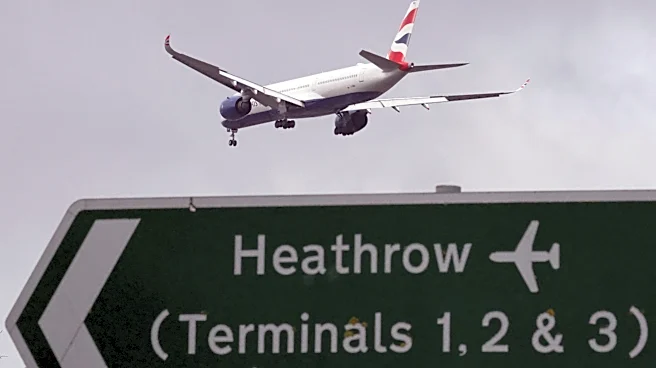
British Airways is undertaking a significant reconfiguration of its Airbus A380 fleet, reducing the number of economy seats to increase capacity in business and premium economy classes. The airline will decrease standard economy seats from 303 to 215,
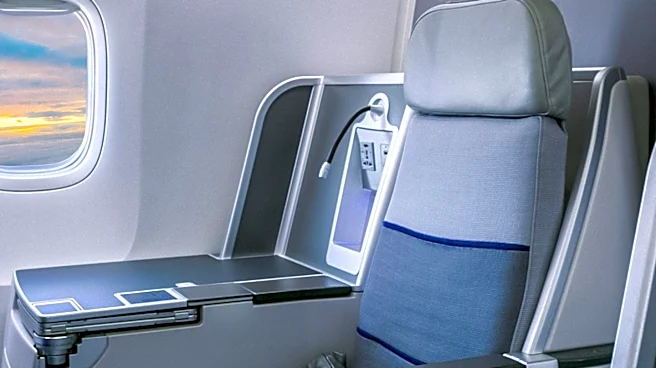
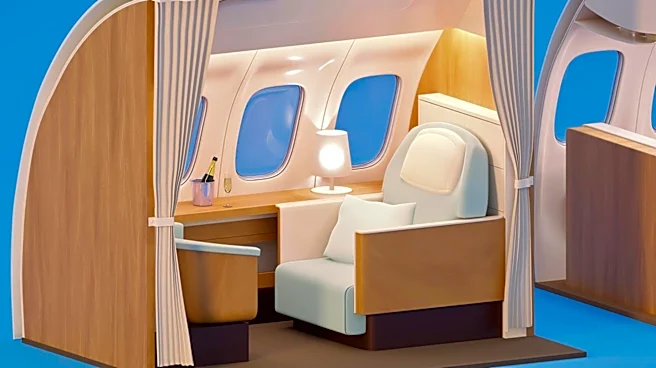
an 88-seat reduction. Concurrently, business class seating will increase from 97 to 106, and premium economy will expand from 55 to 84 seats. First class will see a slight reduction from 14 to 12 suites. This overhaul is part of a broader trend in the aviation industry, where airlines are dedicating more aircraft space to higher-paying premium passengers. The new business suites will feature sliding privacy doors and will occupy the entire upper deck of the A380. This move aligns with British Airways' multi-billion-pound transformation program, reflecting a strategic shift towards premium travel experiences.
Why It's Important?
This shift by British Airways underscores a growing trend in the global aviation industry towards prioritizing premium travel segments over economy. For U.S. travelers, this could mean a more competitive market for economy fares on international routes, potentially leading to higher prices or fewer options for budget-conscious flyers. Conversely, those seeking more comfort and luxury will find increased availability and potentially enhanced offerings in business and premium economy classes. The decision reflects airlines' responses to evolving passenger demand, where premium cabin revenue is growing at a faster rate than economy. This strategy aims to maximize revenue per flight, as premium passengers typically contribute significantly more to an airline's profitability. Other major airlines, including Qantas and Emirates, are also investing heavily in expanding their premium offerings, indicating a long-term industry-wide pivot.
What's Next?
The reconfigured British Airways A380s will gradually be introduced into service, offering passengers more premium seating options. This move is likely to be closely watched by other airlines, potentially influencing their own fleet modernization and cabin configuration strategies. As demand for premium travel continues to outpace economy, further investments in enhanced business and first-class products, as well as premium economy, are anticipated across the industry. Travelers can expect more personalized services, advanced in-flight amenities, and increased privacy features in these higher-tier cabins. The reduction in economy seats may also lead to airlines exploring dynamic pricing models more aggressively for the remaining economy inventory, potentially impacting fare structures for various travel segments.
Beyond the Headlines
This strategic pivot by British Airways and other major carriers highlights a broader socio-economic trend where a segment of travelers is willing to pay a premium for comfort, space, and enhanced services, even for long-haul flights. This could lead to a further stratification of the air travel experience, with a clear distinction between budget-focused economy travel and more luxurious premium options. The increased focus on premium cabins also has implications for aircraft manufacturing and design, as airlines will demand more sophisticated and customizable interior layouts. Environmentally, fewer passengers per plane, albeit higher-paying ones, could slightly reduce the overall carbon footprint per passenger in premium cabins, though the total emissions per flight remain a concern. The shift also reflects a post-pandemic reassessment of travel value, where quality and experience are increasingly prioritized by a segment of the market.