





What's Happening?
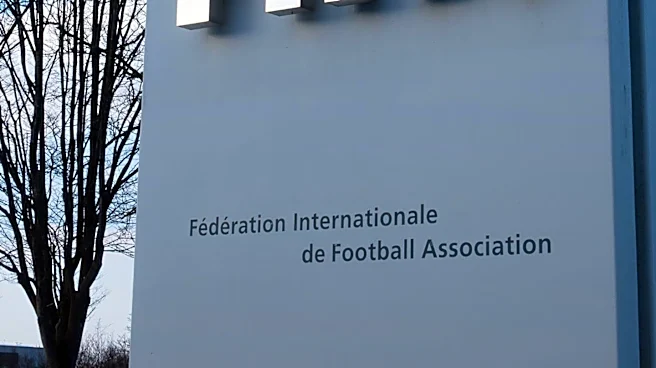
The Sport Integrity Global Alliance (SIGA) is urging FIFA to commit to independent scrutiny and lasting governance reform, emphasizing that FIFA's credibility is at stake. Emanuel Macedo de Medeiros, Co-Founder & Global CEO of SIGA, stated that the decisions
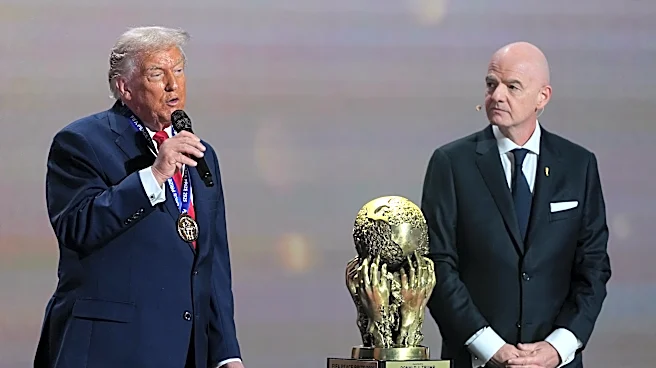
made by FIFA's Council will shape the organization's credibility and the institution its next leadership inherits. SIGA highlights that an election determines who leads FIFA, but not whether the system through which they lead is fit for purpose. The call for reform comes amidst questions surrounding FIFA Forward Enterprise, the Peace Prize, and the handling of disciplinary matters, which touch upon commercial strategy, political engagement, and institutional authority. SIGA stresses the need for an examination of how power is exercised within FIFA, the Council's ability to deliberate and supervise, and the independence of oversight and judicial bodies.
Why It's Important?
This call for independent scrutiny and governance reform in FIFA is highly significant for the global sports industry, including its substantial U.S. footprint. The integrity of international sports organizations directly impacts the credibility of major events, sponsorships, and the overall fan base, which includes millions of U.S. consumers and businesses. Corruption or perceived lack of transparency in governing bodies like FIFA can lead to a loss of trust, affecting broadcast rights, advertising revenue, and the willingness of U.S. companies to invest in sports partnerships. Furthermore, the ethical standards of global sports organizations can influence how sports are perceived and regulated domestically. If FIFA fails to address these governance issues, it could lead to decreased participation, reduced commercial interest, and potentially stricter oversight from national and international bodies, impacting the financial health and public image of soccer in the U.S. and worldwide.
What's Next?
SIGA's recommendations suggest that FIFA must publicly commit to a credible process of scrutiny, correction, and accountability. This includes clearly defining what will be examined, how reviewers will be selected to ensure independence, how that independence will be protected, and a timetable for publishing findings. FIFA is expected to provide a public, reasoned response to accepted recommendations, assigning named responsibilities and deadlines, and explaining any rejections. Where reform requires Congress approval, proposals and timetables must be made public. The implementation and effectiveness of these reforms must then be independently verified. SIGA also calls for every candidate for the FIFA presidency to publicly commit to these principles and conditions, including independent verification of implementation, ensuring that the institution's interests come before those of any leader.
Beyond the Headlines
The demand for FIFA's governance reform extends beyond immediate issues, touching upon the fundamental ethical and structural challenges facing global sports. It highlights the inherent tension between the commercial interests of a multi-billion dollar industry and the need for transparent, accountable leadership. The emphasis on independent scrutiny underscores a growing recognition that self-regulation is often insufficient to maintain public trust in powerful organizations. This situation also reflects a broader societal expectation for all major institutions, including sports bodies, to adhere to high standards of governance and integrity. The outcome of these calls for reform could set a precedent for how other international sports federations are held accountable, potentially leading to a more ethical and sustainable future for global sports, where the spirit of fair play extends from the field to the boardroom.