


What's Happening?
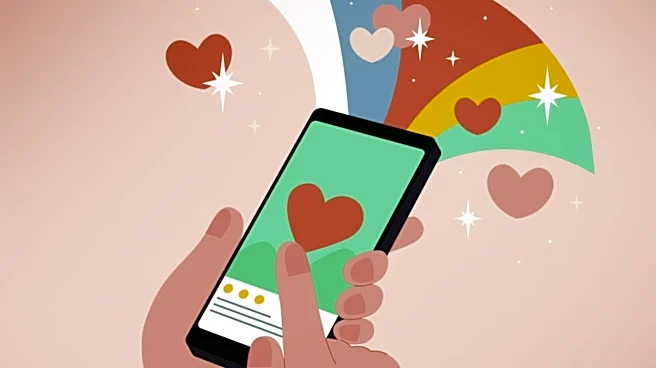
Several dating apps are moving away from the traditional 'swipe' mechanism to encourage real-world meet-ups and connections based on shared interests. This shift comes as older, established dating apps like Tinder and Bumble report declines in paid subscribers,
with users experiencing 'swipe burnout.' New apps, such as Surf, allow users to filter matches based on fitness habits and passions, facilitating in-person interactions. For example, Surf partners with Hyrox, an indoor fitness event, enabling users to sign up for mixed doubles blind dates at competitions in various cities, including NYC. Similarly, Breeze, a Dutch app, eliminates in-app chat entirely, instead arranging times and locations for users to meet at partner bars or organizing group dates based on shared interests. Even legacy apps like Feeld are adapting by offering event pages for group meet-ups centered around hobbies like bouldering or chess, and Tinder is launching its own events page. This trend reflects a growing desire among users for more authentic, low-pressure, and experience-driven connections.
Why It's Important?
This evolution in dating apps signifies a significant change in the U.S. social landscape and the role of technology in personal relationships. The decline in paid subscribers for major dating platforms like Match Group (Tinder, Hinge, OkCupid) and Bumble indicates a saturation point and user fatigue with the current model. The shift towards real-world meet-ups and shared interests addresses a critical pain point for users: the often superficial and transactional nature of endless swiping and repetitive online chats. By facilitating in-person experiences, these apps aim to foster more meaningful connections and reduce the pressure associated with traditional dating. This trend could lead to a revitalization of the dating app market, attracting users who are disillusioned with the current offerings. It also highlights a broader societal desire for authentic human interaction and shared experiences, moving beyond purely digital engagement. Businesses that can successfully integrate real-world elements into their digital platforms stand to gain a competitive advantage in the evolving dating industry.
What's Next?
The trend of dating apps prioritizing real-world interactions and shared interests is likely to continue and expand. We can expect more apps to integrate features that facilitate in-person meet-ups, group activities, and event-based dating. This could include partnerships with various event organizers, fitness centers, cultural institutions, and local businesses to create diverse opportunities for users to connect. Legacy dating apps will likely accelerate their efforts to incorporate similar features, such as event pages and interest-based matching, to remain competitive. The focus will increasingly be on curating experiences rather than just profiles. This shift may also lead to a greater emphasis on niche dating apps that cater to specific hobbies or lifestyles, as seen with Surf's focus on fitness. The industry will likely explore innovative ways to bridge the gap between online connection and offline interaction, potentially leading to new business models and user engagement strategies.
Beyond the Headlines
This shift in dating app philosophy has deeper implications for social interaction and community building in the U.S. The move away from purely digital, swipe-based interactions towards shared experiences could help combat feelings of isolation and superficiality often associated with online dating. By encouraging people to engage in activities they enjoy together, these apps are fostering a sense of community and shared purpose, which can lead to more robust and lasting relationships. This trend also reflects a broader societal yearning for authenticity and meaningful connection in an increasingly digital world. It challenges the notion that technology should replace in-person interaction, instead positioning it as a tool to facilitate and enhance real-world engagement. This could have positive ripple effects on mental well-being, as individuals find more fulfilling ways to connect and build social networks, ultimately contributing to a more connected and engaged society.