


What's Happening?
A social media trend known as 'lymphatic walking' is gaining attention for its purported ability to reduce puffiness and boost energy by aiding the lymphatic system. This walking style incorporates slow, intentional steps, diaphragmatic (belly) breathing,
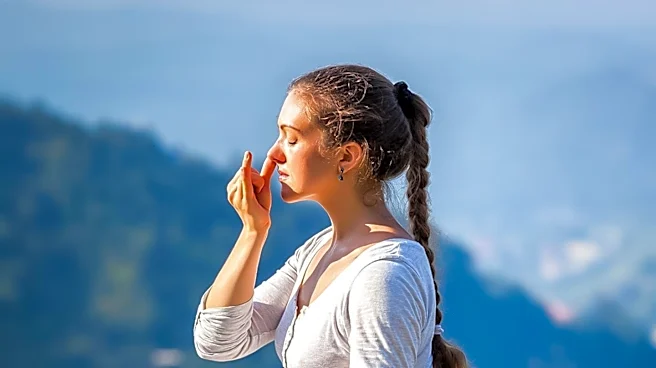
and arm movements. While specific research on lymphatic walking is limited, experts like Logan Herlihy, a certified strength and conditioning coach, and Bobby Pourziaee, DPM, a board-certified foot and ankle surgeon, note that any physical activity, including regular walking, supports lymphatic drainage. The muscle contractions during walking gently squeeze lymphatic vessels, and increased breathing rates help move lymph fluid. Diaphragmatic breathing, central to this trend, may also offer mental health benefits by resetting the nervous system during stress.
Why It's Important?
This trend highlights a growing public interest in holistic approaches to health and wellness, particularly methods that can be easily integrated into daily routines. For individuals experiencing puffiness, low energy, or those who are sedentary, lymphatic walking offers an accessible, low-impact activity that could provide relief. The emphasis on diaphragmatic breathing also underscores the connection between physical movement and mental well-being, offering a simple technique to manage stress. While not a medical cure, promoting gentle movement and mindful breathing can contribute to overall health, potentially reducing reliance on more complex interventions for common discomforts.
What's Next?
The popularity of lymphatic walking on social media suggests continued interest and adoption by individuals seeking simple wellness practices. Fitness instructors and wellness coaches may incorporate elements of lymphatic walking into their programs. While formal scientific studies specifically on 'lymphatic walking' are still needed, broader research on the benefits of mindful movement, diaphragmatic breathing, and regular physical activity on lymphatic function and overall health will likely continue. Healthcare providers may increasingly recommend gentle exercise and mindful breathing techniques as complementary approaches for managing conditions related to fluid retention and stress.
Beyond the Headlines
The lymphatic walking trend reflects a broader societal shift towards self-care and preventative health, often driven by accessible information on social media. It underscores the public's desire for simple, actionable strategies to improve well-being without requiring specialized equipment or extensive training. This trend also highlights the ongoing challenge of distinguishing between scientifically validated health practices and popular, unproven methods. While the core components of lymphatic walking (movement and deep breathing) are beneficial, the specific claims about its unique efficacy for lymphatic drainage warrant further scientific scrutiny, emphasizing the need for evidence-based health information in the digital age.