





What's Happening?
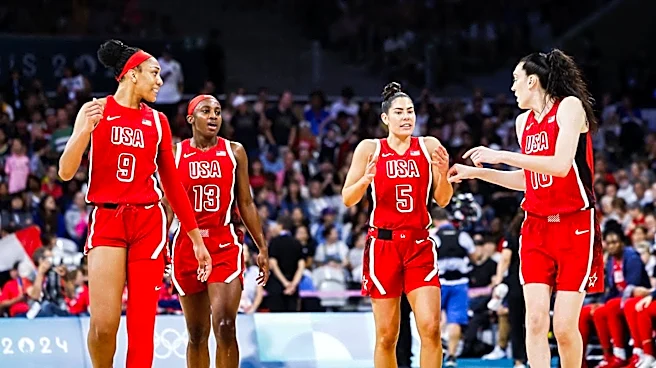
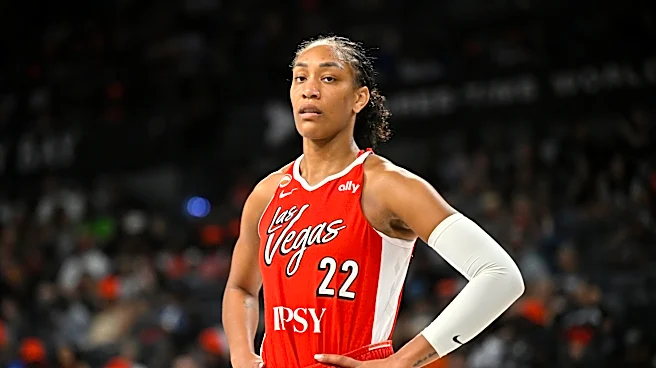
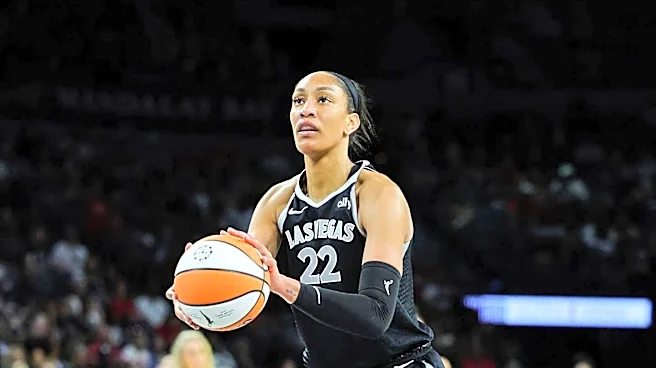
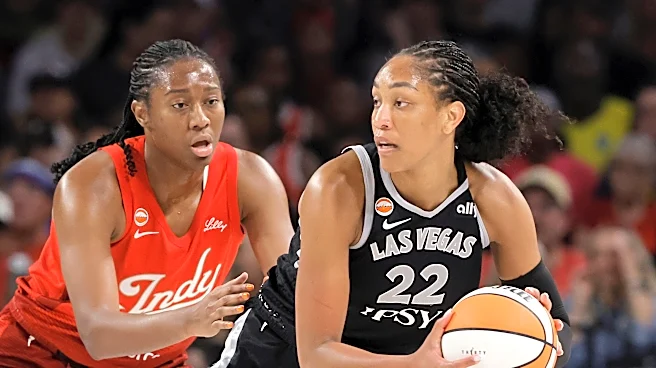
The WNBA is experiencing significant growth in attendance, television ratings, and corporate sponsorships. This success has sparked discussions about race, gender, and media narratives within the league. A'ja Wilson, a Las Vegas Aces superstar, has voiced
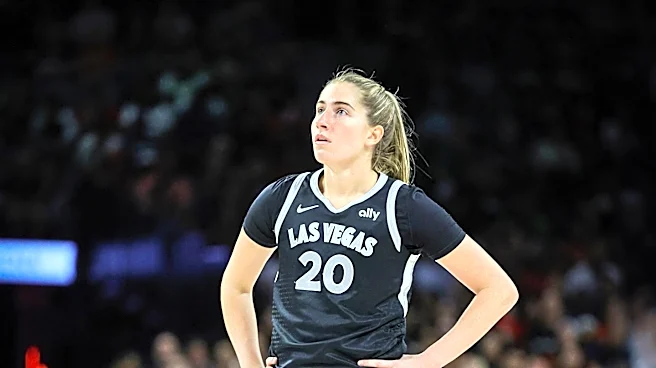
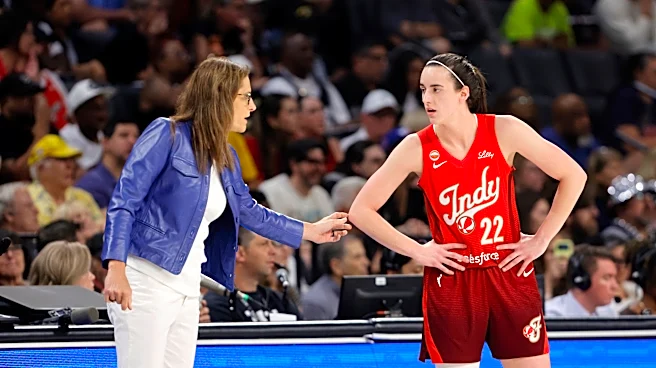
concerns over online racism directed at WNBA players, prompting the league to investigate and address these issues. Concurrently, NBA legend Kareem Abdul-Jabbar has questioned the narrative that Caitlin Clark is the 'face of the WNBA,' arguing that this overlooks the contributions of veteran players like A'ja Wilson and Breanna Stewart. The debate highlights the importance of recognizing the historical contributions of past players while celebrating new talent.
Why It's Important?
The discussions surrounding the WNBA's growth and the recognition of its players have broader implications for how sports leagues address issues of race, gender, and media representation. The league's response to online abuse and its efforts to promote inclusivity can set a precedent for other sports organizations. Additionally, the debate over Caitlin Clark's role underscores the need to balance celebrating emerging stars with honoring the legacy of those who have built the league. This balance is crucial for maintaining the league's integrity and ensuring that all players receive the respect and recognition they deserve.
What's Next?
As the WNBA continues to grow, it will likely face increased scrutiny and expectations. The league may need to invest in full-time officiating and expanded training to meet these expectations. Additionally, ongoing discussions about race and gender in sports could lead to further initiatives aimed at promoting diversity and inclusion. The league's ability to navigate these challenges will be critical to its continued success and influence in the sports world.
Beyond the Headlines
The WNBA's current situation reflects broader societal issues related to race, gender, and media representation. The league's efforts to address online abuse and promote inclusivity can contribute to a larger cultural shift towards greater acceptance and equality in sports. Additionally, the recognition of historical contributions by veteran players can foster a deeper appreciation for the league's legacy and inspire future generations of athletes.