



What's Happening?
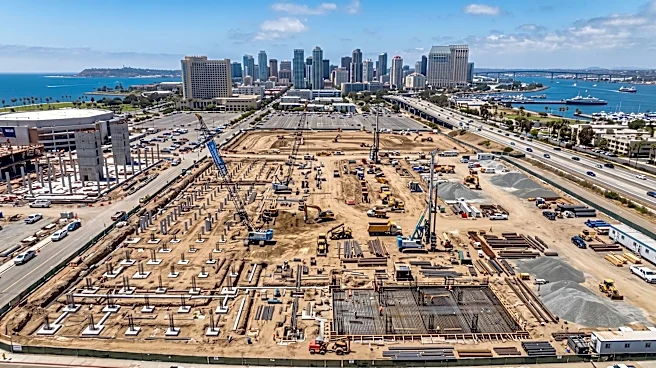
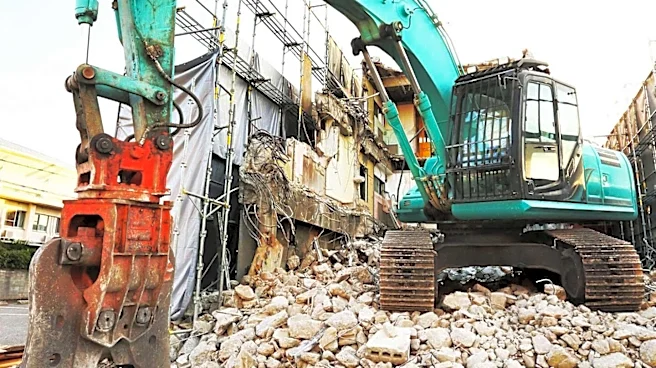
Wayne, New Jersey, has commenced the demolition of a 126,520-square-foot office building on Valley Road to make way for a new residential development comprising 275 rental apartments. This project, which has received conditional approval, involves razing
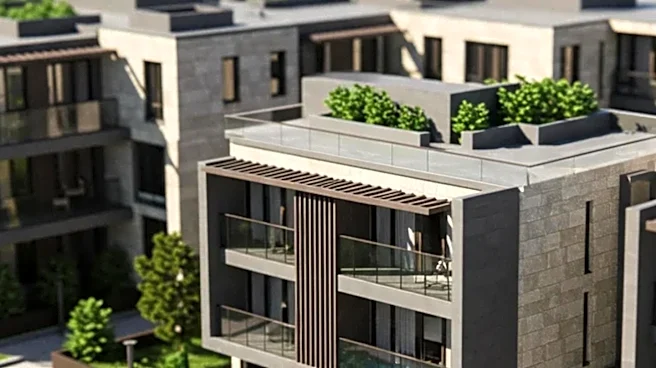
the existing office structure and its parking facilities to construct four new apartment buildings on the 10.95-acre site. The development is an inclusionary project, with 42 of the 275 units designated as affordable housing, fulfilling a 15% set-aside requirement tied to a settlement agreement. The planning for these housing units has been underway for six years. The demolition is part of a broader trend in Northern and Central New Jersey, where nearly 10 million square feet of office space has been removed over the past five years through demolition or conversion, with about half of redeveloped office space becoming housing. The former office building had accumulated 173 violations, partly due to faulty smoke detectors, leading to significant fines for the owner.
Why It's Important?
This project in Wayne, New Jersey, underscores the significant shift in real estate development from commercial office spaces to residential housing, reflecting changing market demands and urban planning priorities. The inclusion of 42 affordable housing units is particularly important, as it contributes to addressing the critical need for accessible housing options in the region. This development aligns with a broader trend of repurposing underutilized commercial properties to create much-needed residential inventory, which can help alleviate housing shortages and potentially stabilize rental markets. The demolition rather than conversion of the existing office building highlights that not all office-to-residential transitions involve adaptive reuse; sometimes, a complete teardown is deemed more feasible or necessary. This also signals a strategic move by municipalities to revitalize areas with obsolete commercial structures, transforming them into community assets that cater to current housing needs and contribute to local economic growth.
What's Next?
Following the ongoing demolition, the site on Valley Road in Wayne, New Jersey, will proceed with the construction phase for the four apartment buildings, which will house 275 units, including 42 affordable ones. The project will add a substantial residential component to the township, contributing to its housing stock. This development is part of a larger regional trend, with other significant residential projects underway, such as a 473-unit AvalonBay development at the former Valley National Bank headquarters. The success and integration of this new apartment complex will likely influence future development decisions in Wayne and surrounding areas, particularly concerning the repurposing of other vacant or underperforming commercial properties. Local authorities will monitor the project's progress, ensuring compliance with the conditional approvals and the timely delivery of the affordable housing units. The project's completion will mark a significant transformation of the Valley Road corridor, shifting its character from commercial to a more mixed-use residential area.
Beyond the Headlines
The demolition of the Wayne office building for residential development reflects a deeper societal and economic transformation beyond just real estate. The previous issues with the building, including numerous code violations and its attraction to urban explorers, highlight the challenges of maintaining aging commercial properties in a changing economic landscape. This project symbolizes a broader re-evaluation of urban spaces, moving away from single-use commercial zones towards more integrated, community-focused environments. The emphasis on affordable housing within the development also points to a growing recognition of social equity in urban planning, aiming to create more inclusive communities. This shift could lead to a redefinition of suburban centers, transforming them from commuter-dependent areas to more self-sufficient communities with diverse housing options. The long-term implications include potential changes in local infrastructure demands, public services, and community demographics, as Wayne adapts to a growing residential population in areas previously dominated by commercial activity.