






What's Happening?
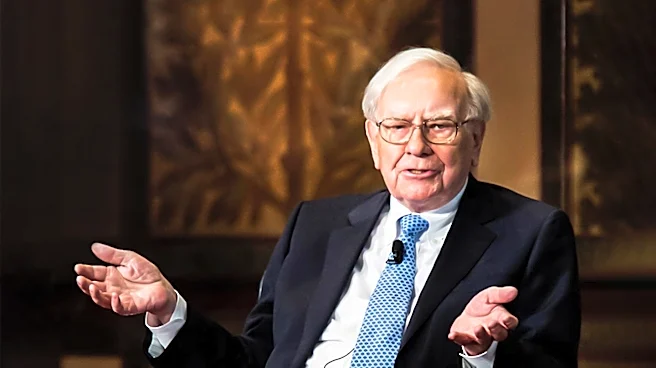
Fifty years of market history indicates that a long-term, buy-and-hold investment strategy, often referred to as 'doing nothing,' is the most effective approach for wealth building. Iconic investor Warren Buffett and market data suggest that attempting
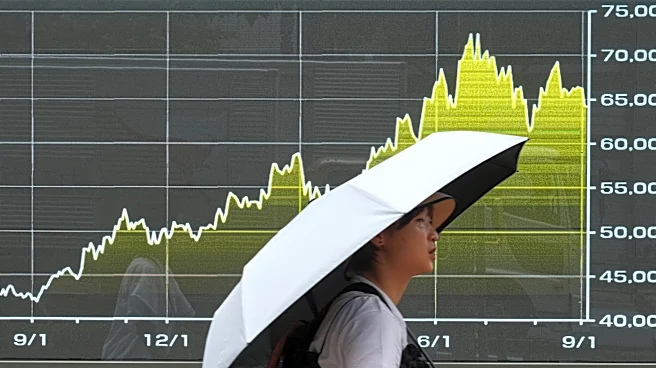
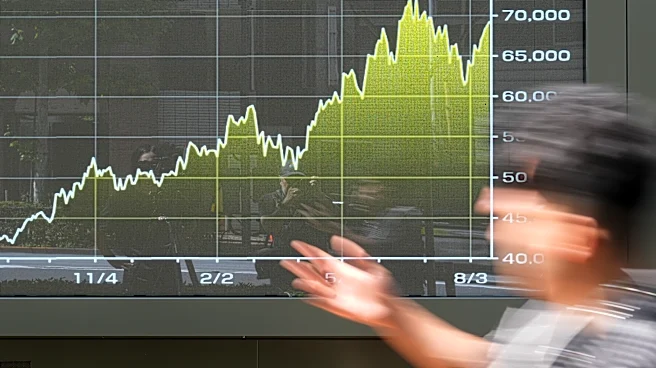
to time the market by buying and selling based on short-term price movements is difficult and often leads to poor outcomes. The S&P 500 index, despite its short-term fluctuations between bull and bear markets, has consistently trended upward over the long term. This historical performance supports the idea that investors with the temperament to resist impulsive trading decisions and stick to a consistent investment plan are more likely to achieve positive long-term results. Regularly buying into an S&P 500 index ETF, regardless of market conditions, is highlighted as a sound strategy.
Why It's Important?
This insight is crucial for individual investors and financial advisors in the U.S., as it challenges the common temptation to react to market volatility. For individuals, it reinforces the importance of financial discipline and a long-term perspective, potentially leading to greater financial security and retirement savings. For the financial industry, it underscores the value of passive investment strategies, such as index funds and ETFs, which align with the buy-and-hold philosophy. It also suggests that excessive trading, often driven by emotional responses to market news, can be detrimental to wealth accumulation. Understanding this historical trend can help investors avoid costly mistakes, such as selling during downturns and missing out on subsequent recoveries, thereby promoting more stable and predictable investment outcomes across the U.S. economy.
What's Next?
Investors are encouraged to adopt a strategy of dollar-cost averaging, which involves investing a fixed amount of money at regular intervals, regardless of market fluctuations. This approach helps mitigate the risks associated with market timing and allows investors to buy more shares when prices are low and fewer when prices are high. Financial education initiatives will likely continue to emphasize the benefits of long-term investing and the pitfalls of short-term speculation. Investment platforms and advisors may further promote automated investment plans and diversified portfolios that align with this 'do nothing' philosophy. The continued success of index funds and ETFs is anticipated, as more investors recognize the power of consistent, long-term market participation over attempts to predict short-term movements.
Beyond the Headlines
The 'do nothing' investment philosophy extends beyond mere financial strategy; it touches upon behavioral economics and psychological resilience. The ability to remain calm and disciplined during market downturns, resisting the urge to sell, is a significant challenge for many investors. This approach highlights the importance of emotional intelligence in financial decision-making, suggesting that temperament can be as critical as intelligence in achieving investment success. It also implicitly critiques the fast-paced, often sensationalized nature of financial news, which can encourage short-term thinking. The long-term perspective fosters a more patient and less stressful relationship with investing, aligning with broader societal goals of financial well-being and stability rather than speculative gains.