





What's Happening?
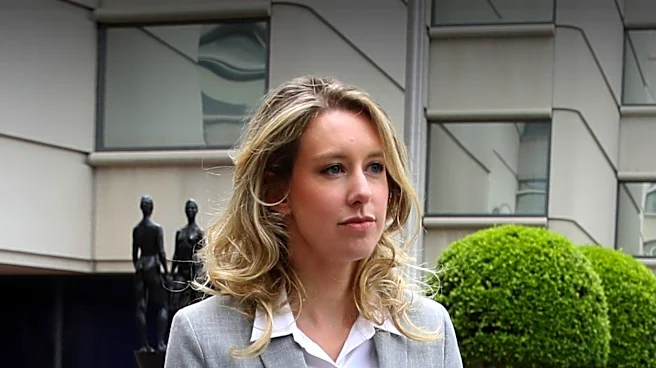
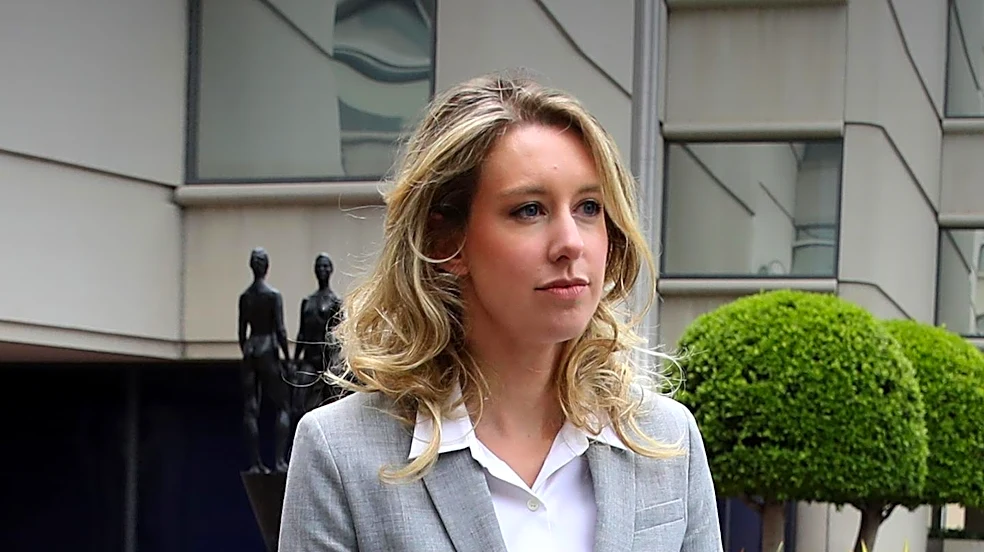
Approximately one month before Theranos founder Elizabeth Holmes began her prison sentence for defrauding investors, she and her partner Billy Evans invited a film crew to document their home life with their children. This unconventional project involved
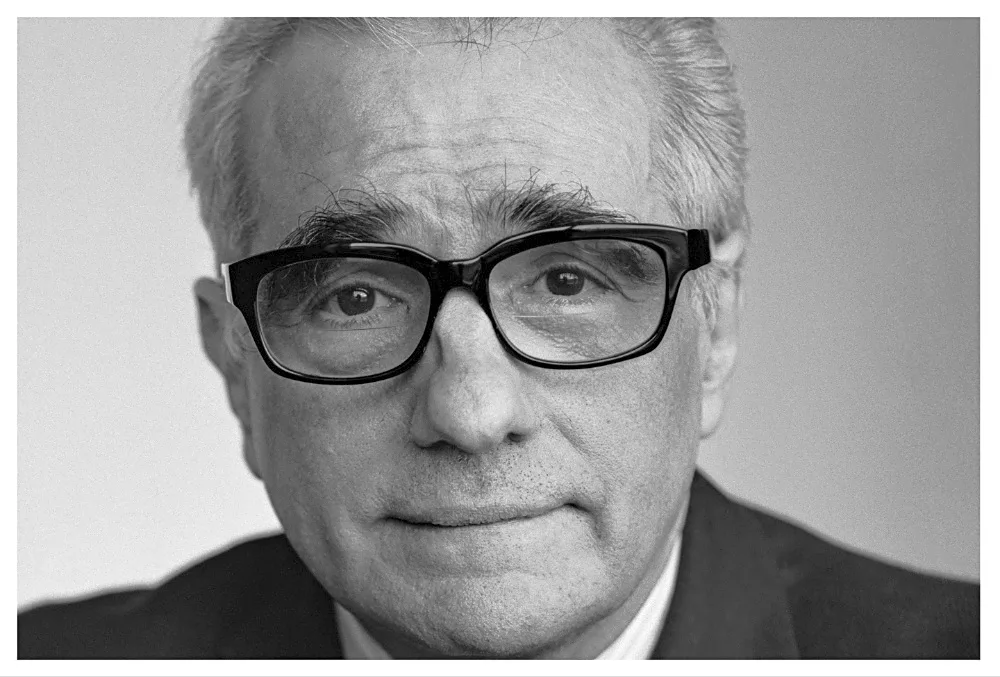
Nathan Fielder and Lance Oppenheim, known for Fielder's unique non-fiction work that blurs the lines between reality and artifice. The resulting documentary, titled 'You Can See Everything,' captures Fielder's efforts to understand Holmes through unusual methods. This collaboration offers a rare glimpse into Holmes's life during a pivotal period, framed by Fielder's distinctive filmmaking style, which often involves elaborate setups and a questioning of authenticity.
Why It's Important?
This documentary is significant for several reasons within the U.S. media and legal landscape. It provides an unprecedented, albeit potentially curated, look into the personal life of a high-profile figure convicted of a major corporate fraud. The involvement of Nathan Fielder, known for his unconventional and often meta-commentary on reality, suggests the film will offer a complex and potentially critical perspective on Holmes, rather than a straightforward narrative. For the public, it offers a chance to observe the human element behind a widely publicized legal case, potentially influencing perceptions of justice, accountability, and the nature of celebrity in the digital age. For the media, it represents a unique approach to documentary filmmaking, challenging traditional journalistic methods by integrating elements of performance and constructed reality to explore a real-world subject. The timing, just before Holmes's imprisonment, adds a layer of dramatic tension and finality to the narrative.
What's Next?
The documentary 'You Can See Everything' is expected to be released, offering audiences a unique perspective on Elizabeth Holmes. The film's reception will likely be a subject of considerable discussion, given Holmes's notoriety and Fielder's distinctive style. Viewers and critics will analyze how Fielder's methods contribute to understanding Holmes's character and the events leading to her conviction. The documentary could spark further conversations about the ethics of reality filmmaking, the portrayal of convicted individuals, and the public's fascination with figures like Holmes. It may also influence future approaches to documenting high-profile legal cases and the lives of individuals at the center of public scrutiny. The film's impact could extend to discussions about the nature of truth and perception in media, especially concerning figures who have been accused of deception.
Beyond the Headlines
The collaboration between Nathan Fielder and Elizabeth Holmes for 'You Can See Everything' delves into profound questions about narrative control, public image, and the construction of reality. Holmes, a figure whose public persona was central to her rise and fall, now participates in a project with a filmmaker known for manipulating reality to expose deeper truths. This raises ethical considerations about whether the documentary serves as a genuine exploration or a final attempt at shaping her narrative before imprisonment. Fielder's involvement suggests a meta-commentary on the very act of documentation and the elusive nature of truth, particularly when dealing with a subject known for artifice. The film could become a case study in how media figures, even those convicted of crimes, attempt to control their story, and how artists engage with such complex subjects. It highlights the ongoing tension between objective reporting and subjective interpretation in documentary filmmaking, especially when the subject is a master of self-presentation.