
What's Happening?
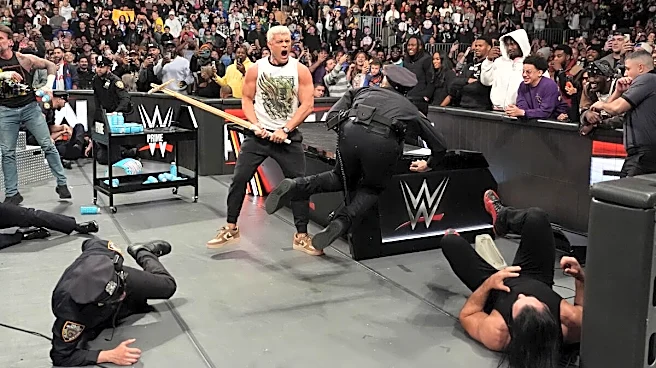
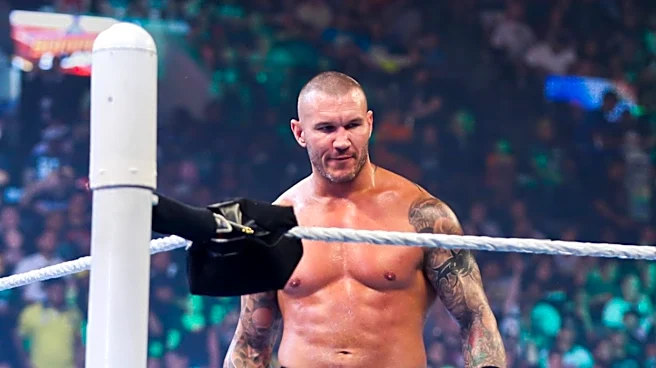
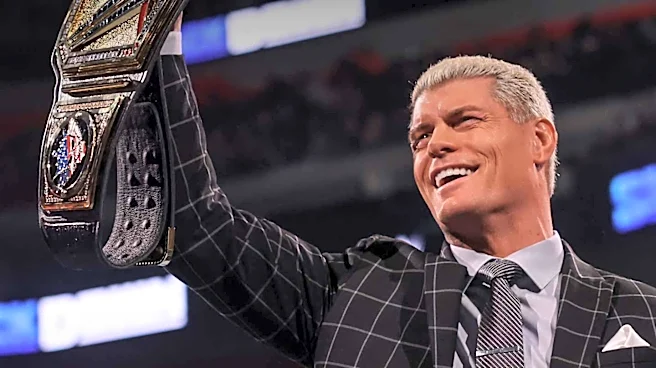
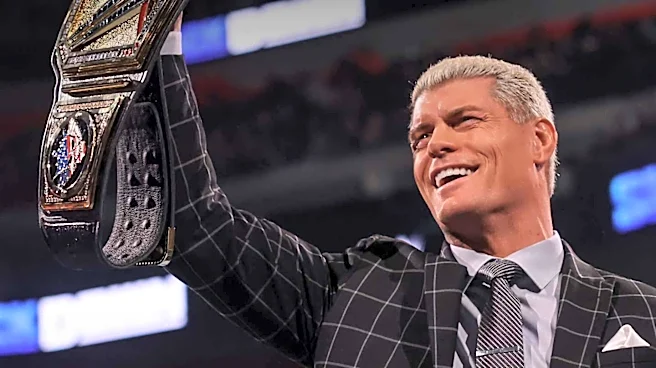
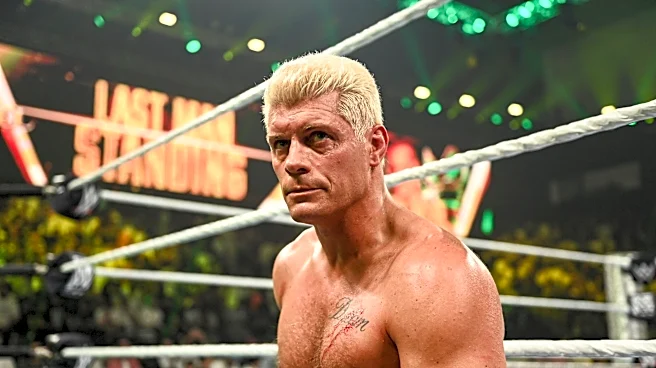
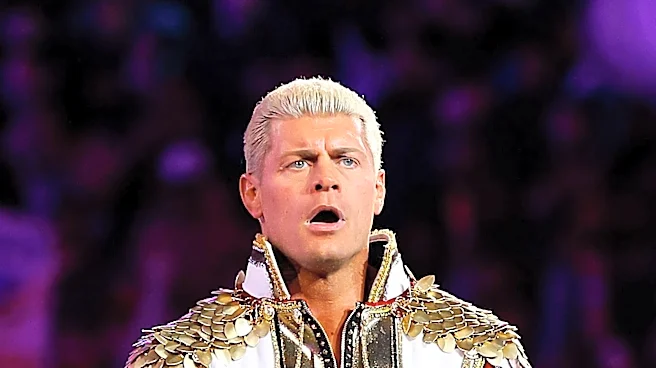
Cody Rhodes, a prominent WWE superstar, has addressed the ongoing speculation about a potential 'heel turn' (a shift to a villainous character) in a recent interview. This discussion comes after his victory over Randy Orton in a Last Man Standing match
at WWE Crown Jewel. During the match, Rhodes utilized a punt kick, a move famously associated with Orton, to secure the win. Following the event, Rhodes publicly stated he 'loved punting Randy Orton,' a comment he intended to be gritty but was met with cheers from the audience. Rhodes acknowledged the complexity of turning heel given his current popularity, noting that fan reactions can be unpredictable. He expressed openness to the idea, stating that if the time is right, WWE's creative team, led by Triple H, would not miss the opportunity. Rhodes is now focusing on Survivor Series, where he will captain Team USA against Team Mexico.
Why It's Important?
The potential heel turn of a top WWE star like Cody Rhodes carries significant implications for the professional wrestling landscape. A successful heel turn can revitalize a character, create new storylines, and generate increased fan engagement, potentially boosting viewership and merchandise sales. For Rhodes, who has been positioned as a heroic figure since his return to WWE, a shift to a villainous role would represent a major character evolution, testing his versatility and the audience's perception of him. The challenge lies in executing such a turn convincingly, especially when a performer is highly popular, as fan support can inadvertently undermine the intended villainous persona. This situation highlights the dynamic and often unpredictable nature of audience reception in sports entertainment, where traditional good-versus-evil narratives can be blurred by genuine fan affection.
What's Next?
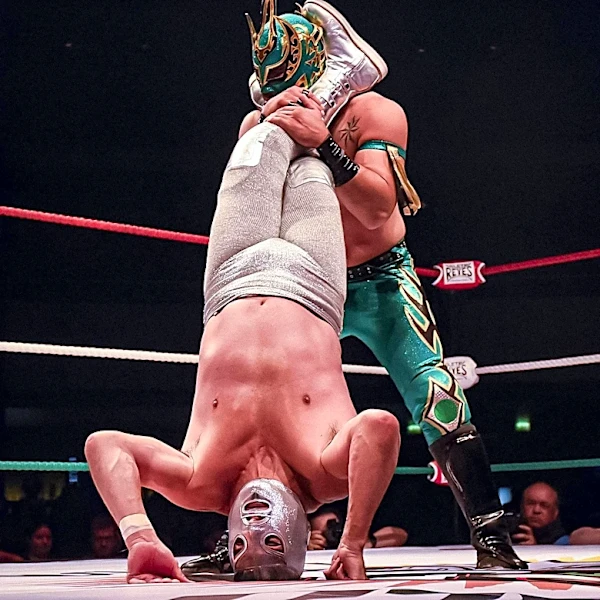
Following his victory over Randy Orton, Cody Rhodes is set to captain Team USA in a traditional Survivor Series tag team match against Team Mexico, led by Rey Mysterio. This upcoming event will be a key platform for Rhodes to continue developing his character, whether he maintains his current heroic persona or subtly hints at a darker side. The reactions from the audience during Survivor Series and subsequent WWE programming will be crucial in determining the viability and timing of any potential heel turn. WWE's creative team will closely monitor fan sentiment and Rhodes' on-screen portrayal to gauge the optimal moment for such a significant character shift. The ongoing narrative will likely explore the aftermath of his intense match with Orton and how it influences his future actions and interactions within the WWE.
Beyond the Headlines
The discussion around Cody Rhodes' potential heel turn delves into the intricate psychology of professional wrestling and its audience. Unlike traditional sports, wrestling narratives are fluid, allowing characters to evolve and challenge audience expectations. Rhodes' situation exemplifies the modern wrestling fan's complex relationship with performers, where admiration for skill and charisma can sometimes override the desire to boo a 'bad guy.' This phenomenon reflects a broader cultural shift where anti-heroes and morally ambiguous characters often resonate deeply with audiences. The challenge for WWE is to navigate this complexity, crafting storylines that are compelling and authentic while still eliciting the desired emotional responses from fans. A successful heel turn for Rhodes would not only be a significant career moment but also a testament to the evolving nature of storytelling in sports entertainment.